Stepping into the world of adventure travel is equal parts thrilling and intimidating. Whether you’re planning your first weekend hike, a multi-day camping trip, or an international backpacking journey, one truth remains constant: what you pack shapes your entire experience. Pack too much and you’ll feel weighed down, disorganized, and exhausted. Pack too little and you risk discomfort, inconvenience, or worse — being unprepared when conditions change. This ultimate packing essentials guide for adventure beginners is designed to help you strike the perfect balance between readiness, mobility, and confidence.
Adventure packing is not about stuffing a bag with gear. It’s about selecting tools that support safety, comfort, and flexibility. Beginners often assume adventure requires expensive equipment or expert-level knowledge, but the reality is simpler. Smart packing, thoughtful planning, and understanding your environment matter far more than owning elite gear. The goal is to create a system that allows you to move freely while staying protected from the unexpected.
In this guide, we’ll explore how to think like an experienced traveler even if you’re brand new. You’ll learn how to evaluate trip conditions, choose clothing strategically, organize essentials efficiently, and avoid common beginner mistakes. By the end, packing will feel less like a stressful puzzle and more like an empowering ritual that signals the beginning of something extraordinary.
A: Pack for the weather, not “what-ifs,” and prioritize the Big Three + safety basics first.
A: Aim for “comfortable and controlled”—if you can’t walk and talk easily, reduce weight and volume.
A: No—fit, warmth, dryness, and reliability matter more than premium labels.
A: Sleep insulation, spare socks, and electronics—use liners or dry bags regardless of the forecast.
A: Trail runners are lighter and dry faster; boots add support—choose based on terrain and ankle needs.
A: Check maps/trip reports, carry a treatment method, and bring extra capacity if sources are uncertain.
A: Simple, familiar calories: tortillas, nut butter, trail mix, jerky, instant meals, and salty snacks.
A: Waiting until it’s dark—set up camp early if you’re new, especially when weather is moving in.
A: Yes—at minimum bring blister care, bandages, pain relief, and any personal meds.
A: Use a simple system: sleep kit bottom, heavy items centered, quick-access items top/side pockets.
Understanding the Nature of Your Adventure
Before you place a single item into your bag, you must understand the type of adventure you’re preparing for. A mountain hike, desert excursion, city exploration, and rainforest trek each demand different priorities. Beginners often pack generically, ignoring variables like climate, duration, terrain, and accessibility to supplies. The smartest packers begin with questions, not gear.
Start by identifying your environment. Will temperatures fluctuate dramatically between day and night? Is rain likely? Will you be carrying your bag for hours at a time? Are there opportunities to resupply food, water, or toiletries? These answers influence everything from fabric choices to bag size. Adventure travel is dynamic, meaning conditions can shift quickly. Preparation is your insurance policy against discomfort and risk.
Trip duration also plays a defining role. A day trip requires hydration, snacks, navigation tools, and weather protection. A multi-day adventure introduces sleeping systems, cooking solutions, and clothing rotation. Understanding your adventure’s structure prevents overpacking and underpacking, two of the most common beginner errors.
Most importantly, acknowledge your experience level. If you’re new to hiking, prioritize comfort and safety over minimalism. If you’re new to backpacking, choose organization and accessibility over squeezing every ounce of weight. Packing should support learning, not create unnecessary hardship.
Choosing the Right Bag: Your Mobile Basecamp
Your bag is more than a container — it’s your mobile basecamp. Selecting the right one dramatically affects comfort, posture, and endurance. Beginners frequently choose bags based on appearance rather than function, leading to sore shoulders, back pain, and constant frustration.
For short adventures, a well-fitted daypack with padded straps and breathable back panels offers sufficient space without excess bulk. For longer journeys, a backpack with adjustable suspension, hip belts, and load distribution becomes essential. Proper weight transfer from shoulders to hips reduces fatigue and prevents injury.
Fit matters more than brand. A perfectly sized, comfortable bag will outperform an expensive but poorly fitted one every time. The bag should sit snugly against your back without restricting movement. Weight should feel balanced, not pulling backward.
Internal organization also deserves attention. Compartments, pockets, and sleeves help beginners maintain order. Easy access to frequently used items like water, maps, and snacks prevents constant unpacking. A chaotic bag leads to wasted time and increased stress.
Clothing Strategy: The Art of Layering
Clothing is where beginners often struggle most. Packing too many outfits wastes space, yet packing improperly leads to discomfort. The solution lies in layering — a versatile system that adapts to changing conditions.
Instead of packing bulky garments, focus on lightweight layers that work together. A moisture-wicking base layer regulates temperature and keeps skin dry. An insulating mid-layer provides warmth. An outer shell protects against wind and rain. This modular approach allows you to add or remove pieces as needed.
Fabric choice is critical. Breathable, quick-drying materials outperform heavy cotton, which retains moisture and causes chilling. Neutral, interchangeable colors simplify combinations and reduce the need for duplicates.
Adventure beginners should prioritize function over fashion. Comfort, durability, and adaptability matter far more than appearance when you’re navigating trails, airports, or unpredictable weather.
Footwear deserves special care. Shoes influence energy levels, joint health, and mobility. Well-broken-in, activity-appropriate footwear prevents blisters and injuries. Packing spare socks is one of the simplest ways to preserve comfort.
The Core Essentials: Safety, Health, Survival
Adventure travel introduces variables absent from routine trips. Beginners must pack for safety before convenience. Essentials in this category protect against emergencies, discomfort, and health risks.
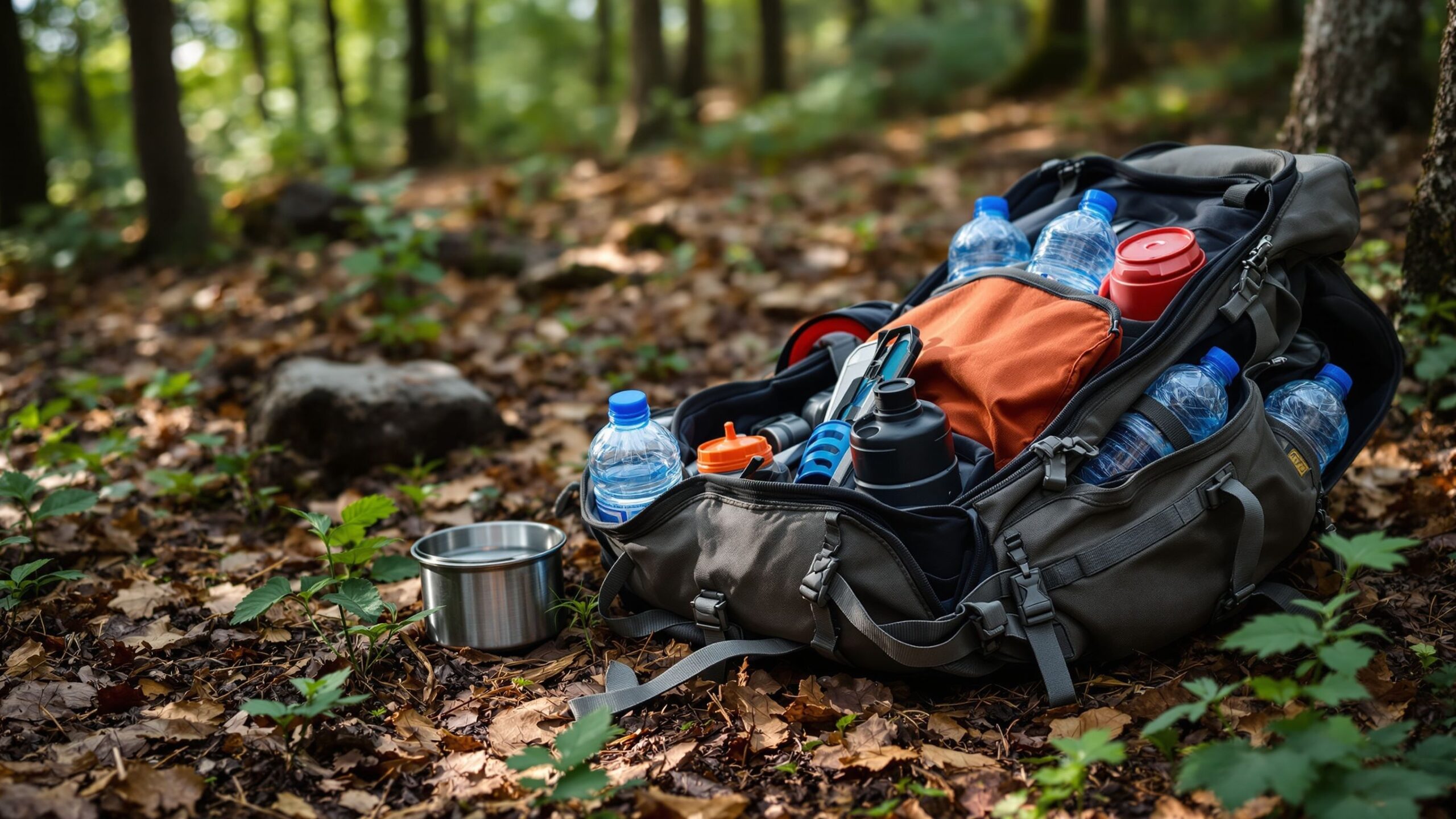
Hydration is non-negotiable. Dehydration undermines performance, decision-making, and physical well-being. Carrying sufficient water or purification solutions ensures independence from uncertain sources.
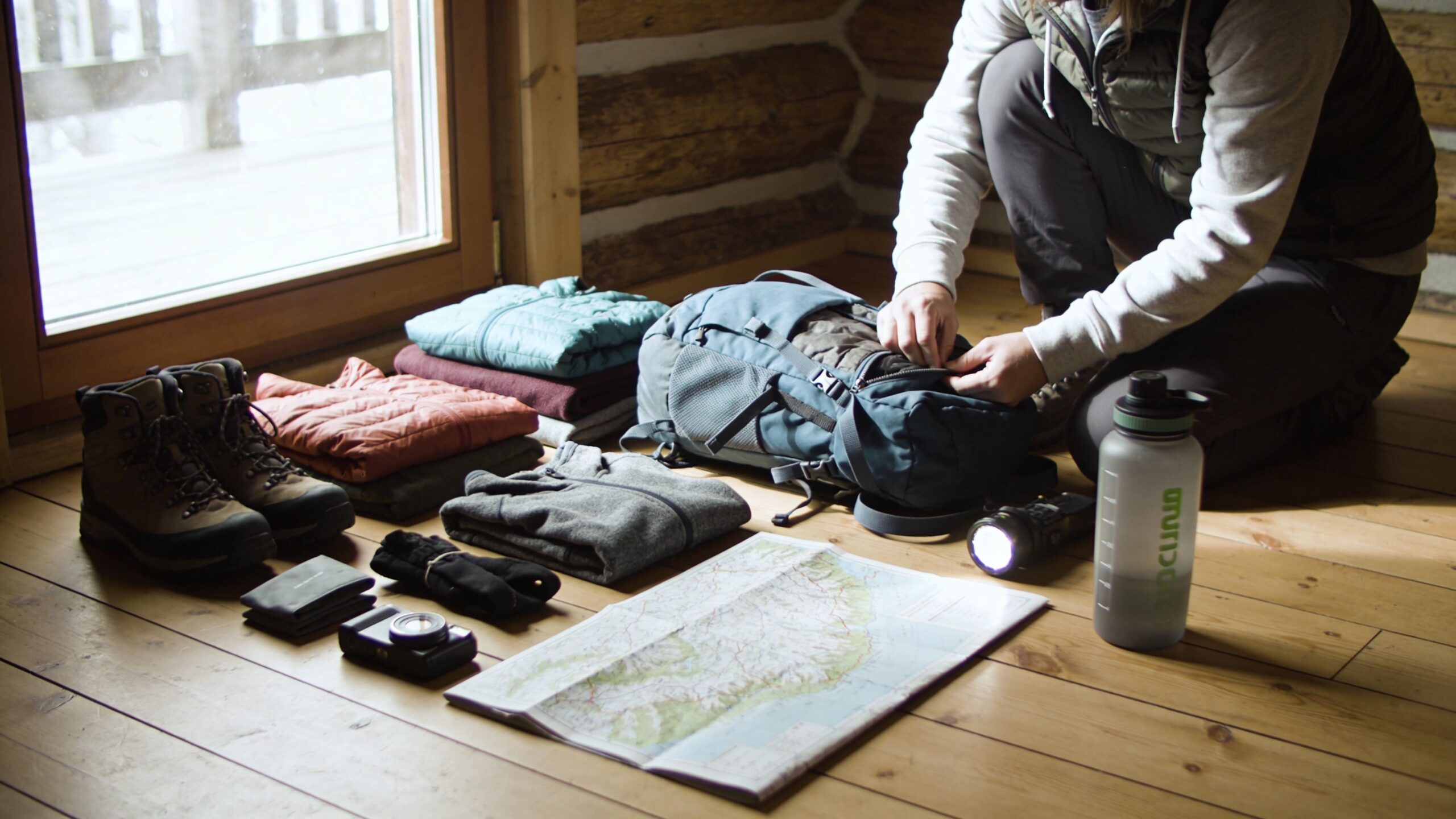
Navigation tools prevent disorientation. Even familiar trails can become confusing under poor visibility or fatigue. Maps, compasses, or offline GPS systems provide critical reassurance.
First aid supplies transform minor issues into manageable inconveniences. Blisters, cuts, headaches, and allergies are common but controllable. A compact kit tailored to your activities adds negligible weight but immense value.
Sun and weather protection guard against environmental stressors. Sunscreen, hats, and protective layers reduce long-term harm and immediate discomfort.
Lighting tools, such as headlamps or flashlights, extend safety beyond daylight hours. Darkness amplifies risk, making visibility crucial.
Food and Energy: Fueling Your Experience
Adventure demands energy. Beginners often underestimate caloric needs, leading to fatigue and irritability. Food should be viewed as fuel rather than indulgence.
Lightweight, nutrient-dense snacks maintain stamina without occupying excessive space. Balanced intake stabilizes blood sugar and mood. Easy-to-consume options reduce effort during physically demanding moments.
Meal planning depends on trip duration and resupply opportunities. Simplicity is key. Beginners benefit from foods requiring minimal preparation.
Equally important is understanding your body. Everyone’s energy patterns differ. Packing familiar, digestible foods prevents unpleasant surprises.
Toiletries and Personal Care on the Move
Hygiene remains essential even in rugged environments. Adventure beginners should pack compact, travel-friendly personal care items that preserve cleanliness without bulk.
Multi-use products simplify packing. Quick-drying towels, biodegradable soaps, and minimal skincare solutions maintain comfort and health.
Dental care, lip balm, and moisturizer combat dryness and exposure effects. Neglecting small comforts can erode morale over time.
Technology and Documentation
Modern adventure blends digital tools with traditional exploration. Beginners should pack selectively, balancing connectivity with practicality.
Portable chargers ensure reliability. Offline access to tickets, reservations, and maps prevents dependency on unstable networks.
Travel documents deserve protective storage. Waterproof sleeves or pouches safeguard against damage.
Technology should support your journey, not dominate it. Overpacking gadgets increases weight and distraction.
Smart Packing Techniques: Organization and Efficiency
How you pack matters as much as what you pack. Efficient organization maximizes space, accessibility, and balance.
Heavier items should sit close to your back. Frequently used items should remain easily reachable. Compression methods reduce wasted volume.
Consistency builds habit. Packing systems eliminate guesswork and stress.
Common Beginner Packing Mistakes
Overpacking stems from anxiety. Underpacking stems from optimism. Both disrupt experiences.
Ignoring weather variability leads to discomfort. Neglecting comfort items reduces enjoyment. Poor footwear choices cause preventable pain.
Learning comes from reflection. Each trip refines your strategy.
Building Confidence Through Preparation
Packing is preparation in physical form. It transforms uncertainty into readiness. Adventure beginners gain confidence not by eliminating fear, but by reducing avoidable problems.
Well-packed gear fosters independence. Independence fosters enjoyment. Enjoyment fuels future exploration.
Pack Light, Travel Bold
Adventure is not reserved for experts. It belongs to the curious, the brave, and the prepared. Thoughtful packing empowers beginners to step beyond comfort zones with confidence.
Your first adventure will teach you more than any guide. Pack wisely, remain adaptable, and embrace the unexpected. The journey ahead is not defined by perfection, but by participation.