
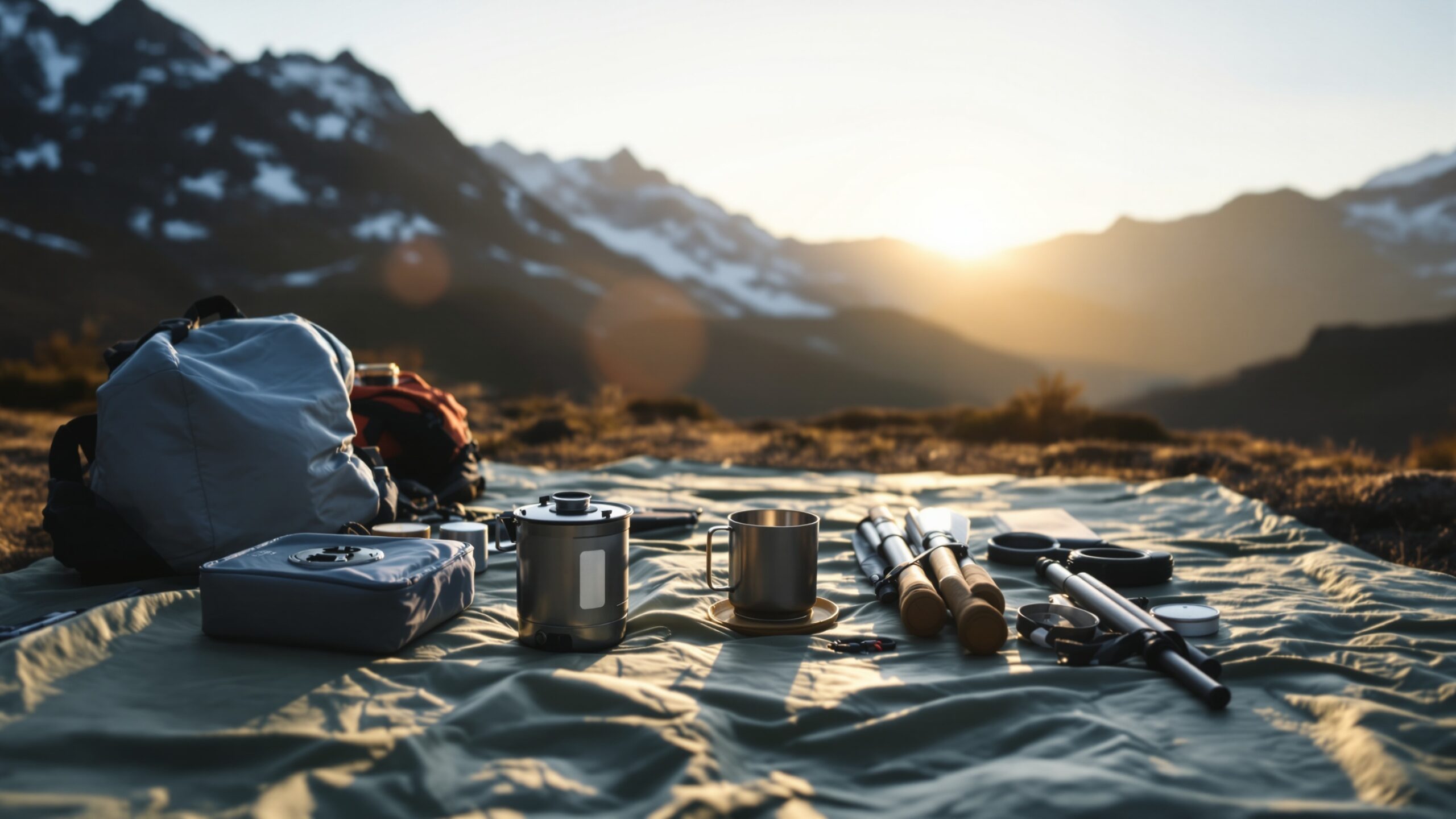
Ultralight innovations are reshaping the way modern adventurers move—stripping away weight, sharpening efficiency, and unlocking a faster, freer style of exploration. What once required bulky gear and heavy packs can now be achieved with streamlined materials, minimalist engineering, and design breakthroughs born from long-distance hikers, alpine climbers, and backcountry purists. On Gear Streets, “Ultralight Innovations” is your portal into the cutting edge of outdoor performance.
This sub-category dives deep into featherlight fabrics, nano-insulation, carbon-fiber frames, titanium essentials, modular shelters, and pack systems engineered to perform at a fraction of traditional weight. You’ll discover how ultralight gear is tested, what trade-offs matter, and how to build a kit that maximizes mobility while maintaining safety and durability.
From thru-hiking to fast-packing to minimalist summit missions, this is where explorers learn how to move smarter, travel farther, and transform their entire outdoor experience. If shaving ounces and gaining freedom is your goal, you’ve arrived at the heart of the ultralight revolution.
A: No. Beginners can benefit too—just keep a safety margin, choose durable pieces, and build skills as your base weight drops.
A: Not if you’re thoughtful. The goal is smart gear and skills, not suffering. Test setups on easy trips before committing.
A: High-end pieces can cost more, but you can shed weight by leaving items behind, choosing multipurpose gear, and DIY projects.
A: Many define UL as a base weight under 10–12 pounds, but the label matters less than how safely and happily you hike.
A: Not if it’s packed well and your total weight is modest. Use a foam pad or carefully rolled gear as a simple frame.
A: Properly pitched UL shelters can handle rough weather, but they demand good site selection and correct anchoring.
A: Yes—with the right temperature-rated sleep system, clothing, and weather awareness. Don’t skimp on warmth or storm protection.
A: Weigh your gear, remove obvious duplicates, and gradually upgrade your Big Three rather than replacing everything at once.
A: Some pieces wear more quickly. Treat UL gear gently, repair small damage early, and reserve fragile items for appropriate terrain.
A: Always keep essentials: shelter, warmth, navigation, first aid, and emergency food. If in doubt, carry a small safety buffer over shaving a final ounce.