
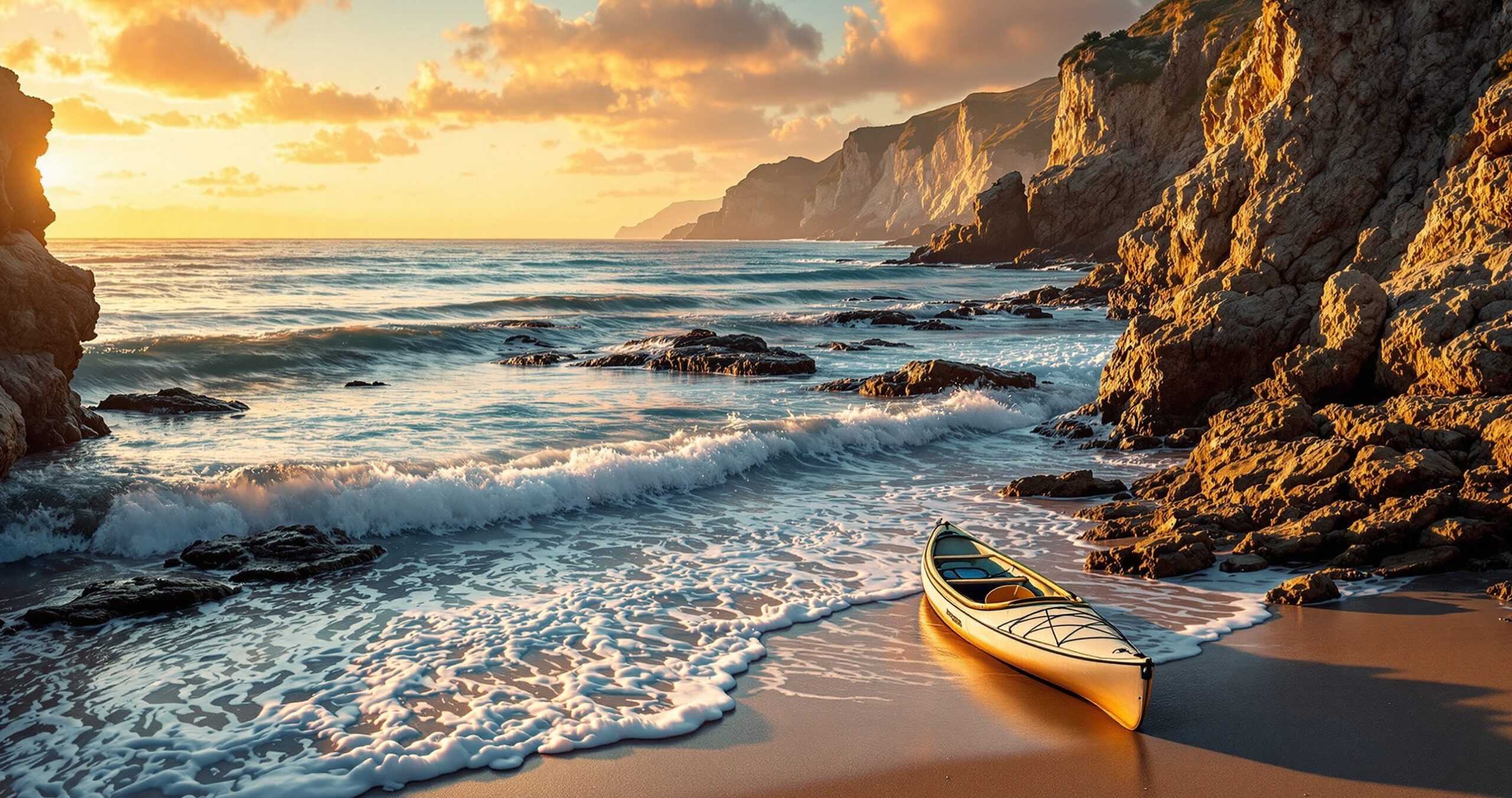
Coastal adventures open the door to wide horizons, shifting tides, and ever-changing shorelines shaped by wind and waves. From calm bays and sheltered coves to rugged cliffs and open stretches of coastline, these trips blend exploration with respect for the power of the ocean. Success along the coast depends on preparation—understanding tides, currents, and weather patterns, choosing the right gear, and planning routes that match skill level and conditions. Coastal outings often reward patience and timing, offering encounters with marine life, hidden beaches, sea caves, and dramatic viewpoints that are unreachable by land. Gear choices matter here: navigation tools, safety equipment, layered clothing, and storage solutions all help manage exposure and longer distances. On Gear Streets, our Coastal Adventures section covers planning tips, essential gear, and real-world considerations for exploring coastal waters by small craft. Whether you’re tracing the shoreline for a few hours or committing to a multi-day journey, coastal adventures offer a powerful mix of challenge, beauty, and the unforgettable feeling of moving in rhythm with the sea.
A: The tide table—tides control access, safety, and the best viewpoints.
A: Yes—stay back from the waterline, watch sets, and never turn your back on the ocean.
A: Stay calm, float, and swim parallel to shore until you’re out of the current, then angle in.
A: Strongly recommended—grippy, closed-toe footwear helps prevent slips and cuts.
A: Use waterproof cases, keep zippers clean, and rinse/dry everything after the trip.
A: Low tide—especially the lowest “minus” tides for the most exposed pools.
A: Use extra caution—coastal edges can crumble; stay well back and avoid loose ground.
A: A windproof shell, a warm layer, and dry storage—fog and wind roll in fast.
A: Rules vary by location—check local regulations and protected area guidelines.
A: Keep distance, stay quiet, don’t feed animals, and respect closures for nesting/haul-out zones.