
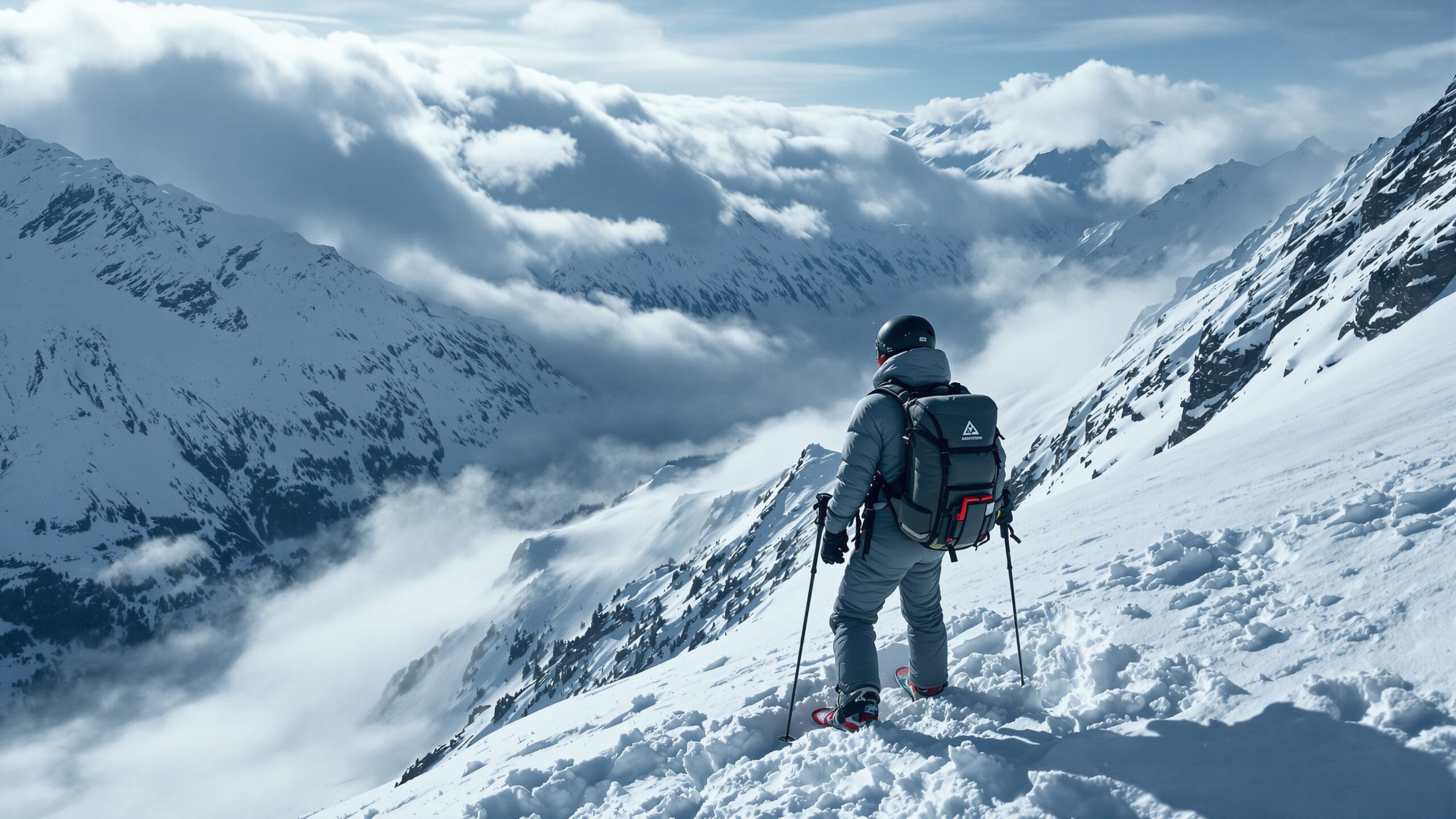
Avalanche Safety Gear is the silent partner every backcountry traveler relies on, designed for moments when preparation becomes everything. Beyond resort boundaries and into untouched snow, conditions can change in seconds—making awareness, training, and the right equipment essential. On Gear Streets, this category focuses on the life-saving tools built to reduce risk, speed rescue, and support smarter decision-making in avalanche-prone terrain. Modern avalanche gear centers on fast response and reliability. Transceivers help locate buried partners, probes pinpoint precise positions beneath the snow, and shovels are engineered for rapid, efficient digging when every second counts. Airbag packs add another critical layer of protection, designed to help riders stay closer to the surface during a slide. Together, these tools form a system that turns chaos into coordinated action. Here, you’ll find practical guides, gear comparisons, and safety-focused breakdowns covering essential avalanche equipment, proper usage, and smart setup strategies. Whether you’re skiing powder lines, splitboarding remote slopes, or snowshoeing in alpine terrain, Avalanche Safety Gear is not optional—it’s the foundation of responsible winter exploration and confident travel beyond the lifts.
A: Usually not on in-bounds terrain, but it’s recommended for backcountry, sidecountry, and any avalanche terrain outside controlled areas.
A: Beacon + probe + shovel (and the skills to use them). Everything else is secondary.
A: No—airbags can help in some scenarios, but they don’t prevent avalanches and don’t replace training or the Big 3.
A: Regularly—many groups do short drills early season and refresh throughout the winter.
A: In a harness under layers or a dedicated secure pocket—consistent placement matters.
A: Yes—keep electronics separated from your beacon and follow your beacon’s manufacturer guidance.
A: A metal blade, strong shaft, and a grip that works with gloves—digging speed is critical.
A: Longer can help in deeper debris; pick a length suitable for where you travel and practice deploying it fast.
A: Yes—education and decision-making reduce risk, and rescue skills make the gear meaningful.
A: Spread out in suspect terrain, communicate clearly, and stick to a plan with defined regroup points.