
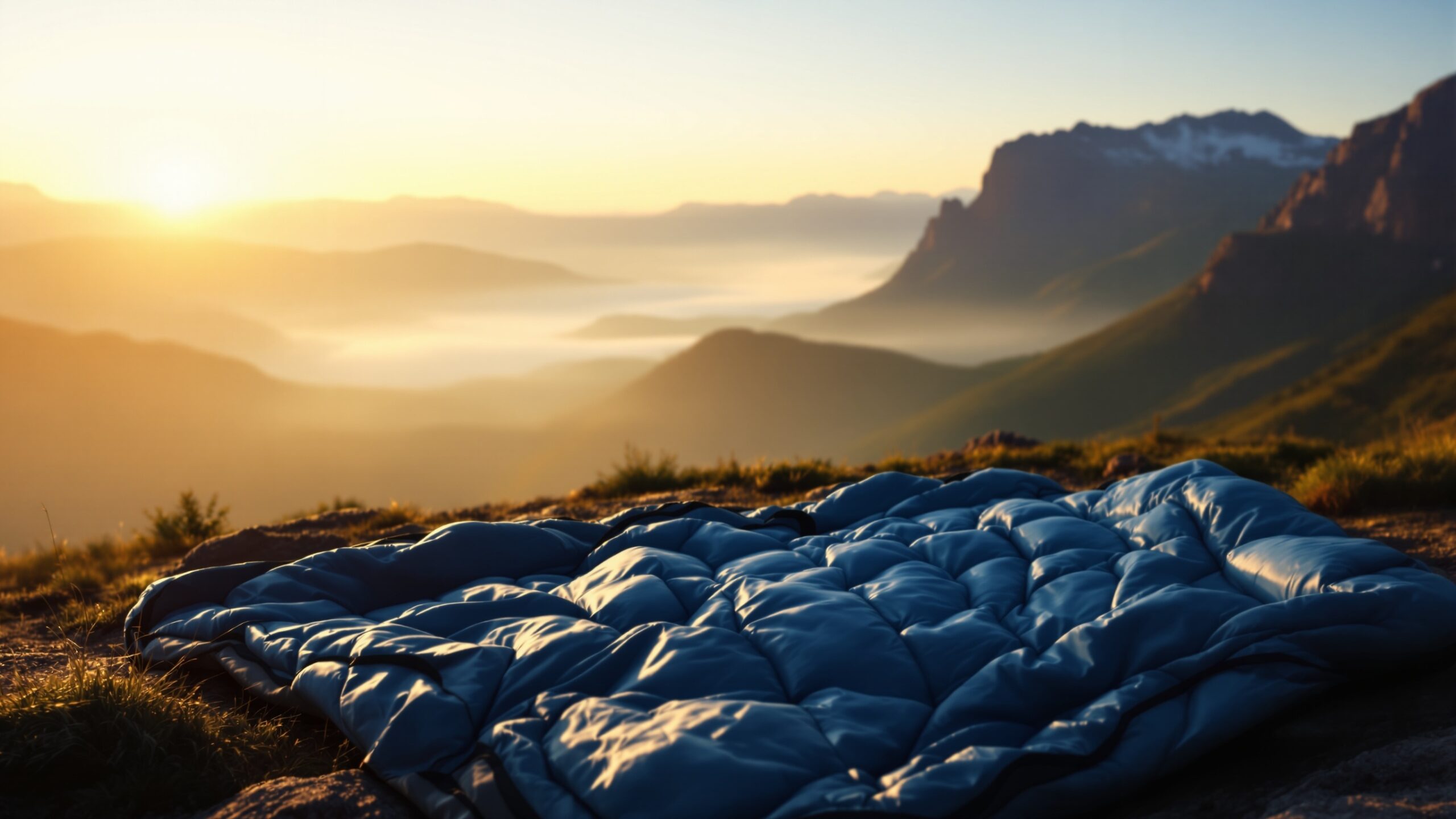
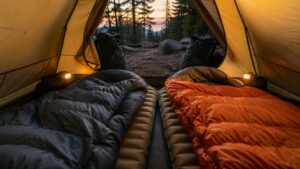
Best Sleeping Bags for Camping and Backpacking Adventures
Sleeping bags for camping and backpacking should match temperature, insulation, shape, weight, moisture, and comfort needs.
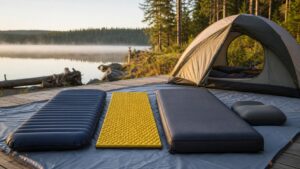
Best Sleeping Pads for Comfortable Outdoor Sleeping
Sleeping pads improve outdoor sleep through cushioning, insulation, support, packed size, durability, and correct campsite setup.
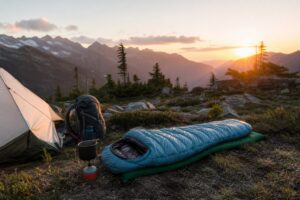
Best Backpacking Sleeping Bags for Lightweight Travel
Lightweight backpacking sleeping bags should balance warmth, packability, fit, moisture control, and real trail comfort.
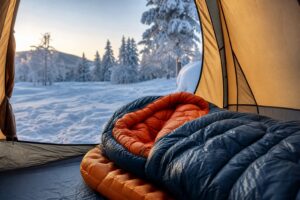
Best Sleeping Bags for Cold Weather Camping Trips
Cold weather sleeping bags need reliable warmth, draft control, moisture protection, and a full sleep system that handles freezing nights.
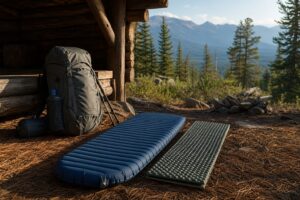
Best Sleeping Pads for Backpacking and Trekking Comfort
Backpacking sleeping pads should support hips and shoulders, insulate from the ground, pack efficiently, and survive trail use.
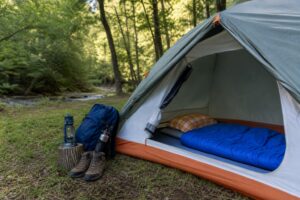
Best Sleeping Bags for Beginners and First-Time Campers
Beginner sleeping bags should be warm enough, easy to use, comfortable to fit, simple to care for, and forgiving on early camping trips.