
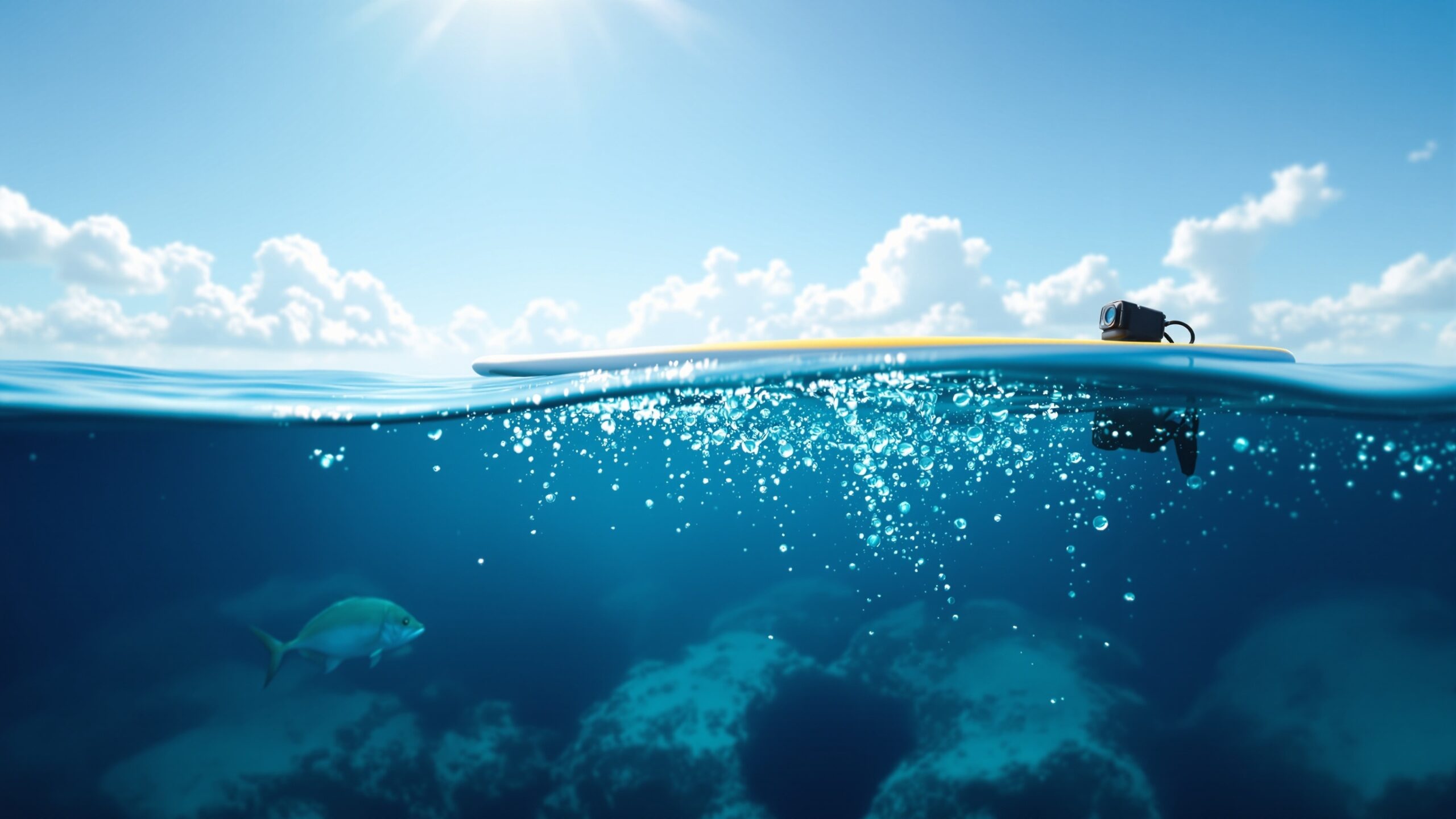
Underwater cameras unlock a whole new layer of the paddleboarding experience, revealing the hidden world beneath the surface. From crystal-clear lakes and winding rivers to coastal shallows and reef-lined shores, these cameras let you capture what your eyes can’t see while standing above the water. Whether you’re filming fish darting below your board, documenting underwater landscapes, or scouting fishing spots, underwater cameras turn every outing into a visual adventure. Built to handle splashes, submersion, and shifting light conditions, modern designs offer rugged housings, wide-angle lenses, image stabilization, and high-resolution video that performs even in murky or low-light environments. Mounting options make it easy to attach cameras to boards, paddles, or handheld grips, keeping footage steady while you move. On Gear Streets, our Underwater Cameras section explores the best camera types, mounting ideas, depth ratings, and practical tips for getting clear, compelling shots on the water. Whether you’re a content creator, angler, or curious explorer, underwater cameras add storytelling, discovery, and a deeper connection to every paddleboarding trip.
A: For shallow use, maybe not—but a housing adds depth, protection, better grips, and accessory mounting.
A: Water absorbs red light quickly—use custom white balance, filters (in bright shallows), or video lights.
A: Getting closer to subjects and adding a small light usually beats chasing higher resolution.
A: Keep O-rings clean, check for hair/sand, close seals carefully, and do periodic water-only tests.
A: Moisture + temperature changes—use anti-fog inserts and assemble gear in a dry, cool place.
A: Best in sunny, shallow blue water; they reduce light, so they can hurt quality in deeper or dim conditions.
A: If you want true color and cleaner footage, yes—even a compact light helps a lot.
A: Use wide angle, stabilization on, and an underwater/auto white balance mode—then refine as you learn.
A: Move slowly, keep elbows tucked, use a tray/handle, and let stabilization do the rest.
A: Use a float handle + lanyard and clip it to deck rigging or a PFD attachment point when not filming.