
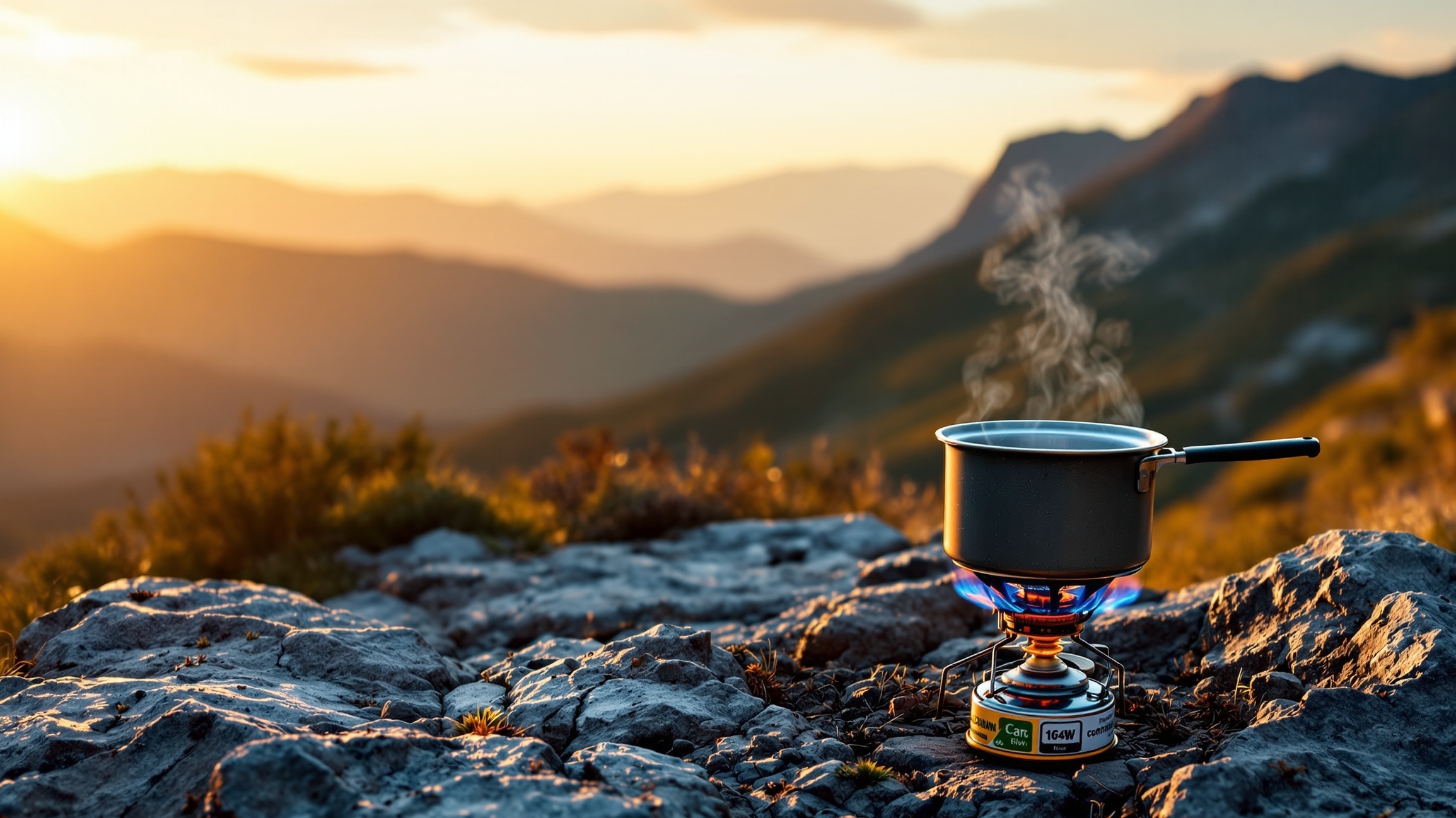
Compact stoves are the tiny powerhouses of every adventure—small enough to slip into your pack, yet mighty enough to fuel mornings, warm nights, and every wild moment in between. Whether you’re brewing trail-side coffee at sunrise, simmering ramen on a windy mountain pass, or cooking a full camp meal deep in the backcountry, these portable burners turn any terrain into your personal outdoor kitchen. On Gear Streets, “Compact Stoves” celebrates the art and science of cooking on the go, bringing you expert guides, gear breakdowns, safety tips, fuel comparisons, and field-tested reviews that help you choose the perfect stove for any journey. From ultralight canister stoves to rugged multi-fuel workhorses, minimalist alcohol burners to compact wood-gas models, this category dives into the heat sources that keep explorers moving. Every article is crafted to give you practical insight, real-world performance notes, and adventure-ready ideas. If you’re craving mobility, efficiency, and flame-in-your-pocket freedom, you’re in the right place. Gear up, spark up, and let your next great meal begin.
A: Match the stove to your trips—solo or group size, typical temps, fuel availability, and whether you mostly boil water or cook real meals.
A: A common rule is 0.5–1 ounce of canister fuel per person per day for simple boil-only menus; add more for simmer-heavy cooking or cold weather.
A: No. Tents trap carbon monoxide and are extremely flammable—cook only in well-ventilated, open or semi-open spaces.
A: Gas pressure drops as temperatures fall. Warm the canister, block wind, or use an inverted-canister or liquid-fuel stove for true winter conditions.
A: No. Many fire bans prohibit stoves without an on/off valve. Check local regulations before relying on them.
A: For most backpackers, 0.8–1 liter for solo trips and 1.5–2 liters for two people balances efficiency and packability.
A: Use a stable, level base, keep handles turned away from traffic, and avoid stirring aggressively on narrow burners.
A: No. Fuel canisters and filled liquid-fuel bottles can’t go on planes—buy fuel at your destination and travel with empty, cleaned bottles only.
A: Let it cool fully, wipe off moisture and food, check O-rings and seals, and store it dry in a breathable bag.
A: Use a lid, block wind, keep flame just licking the pot bottom, and pre-plan quick-cooking meals designed for compact stoves.