
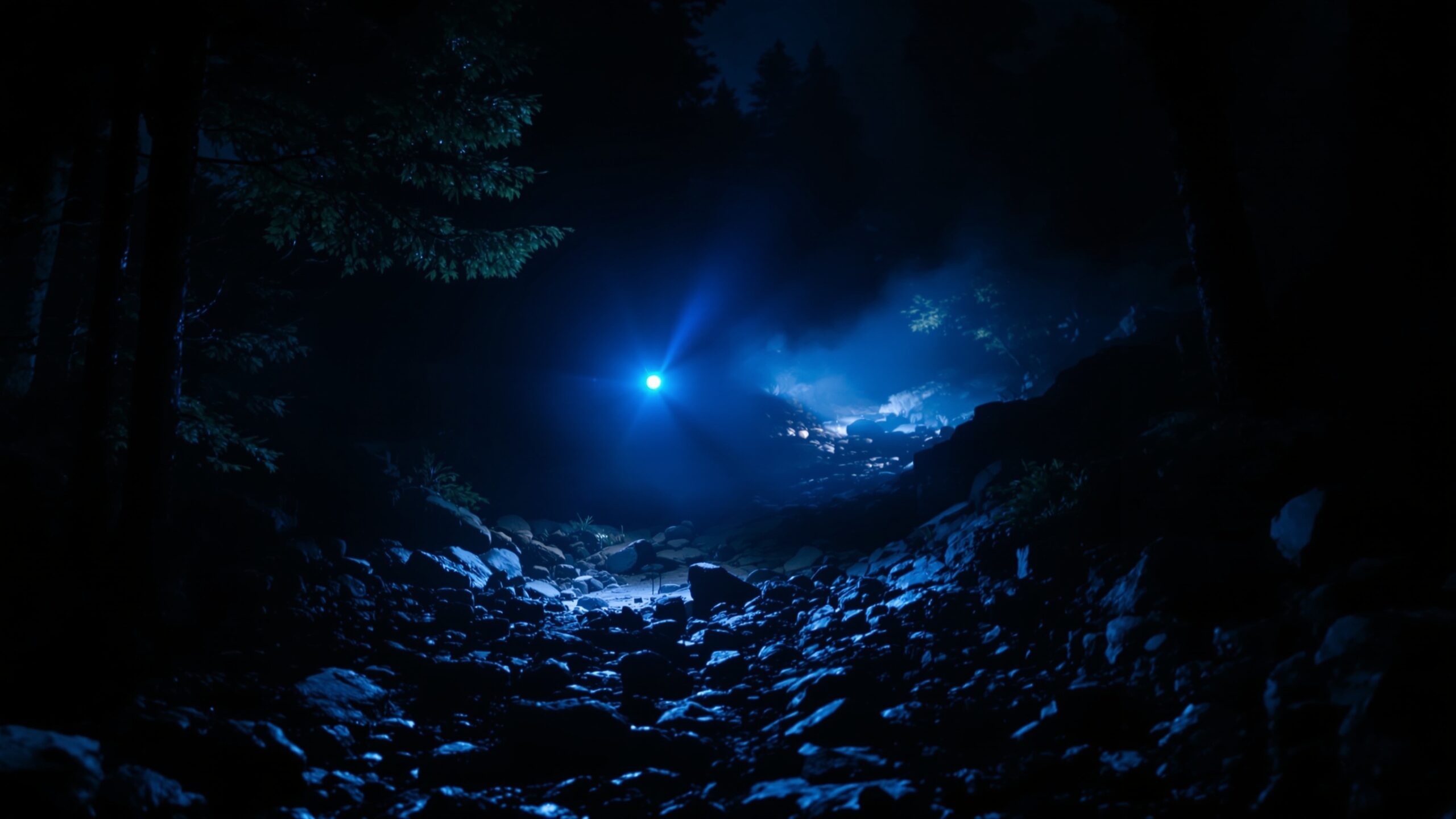
Trail lighting is the unsung hero of every nighttime adventure—the beam that guides your steps, sharpens your awareness, and transforms the dark into a landscape of possibility. Whether you’re weaving through dense forest at dusk, setting up camp under a canopy of stars, or navigating rugged terrain before dawn, the right light doesn’t just illuminate the path—it elevates the entire journey. On Gear Streets, “Trail Lighting” is your portal into the world of headlamps, lanterns, beam technologies, power systems, and night-safety techniques built for explorers who refuse to stop when the sun does.
This sub-category dives deep into lumens, beam patterns, battery innovations, red-light modes, waterproofing grades, hands-free systems, and the subtle performance details separating good lighting from great lighting in backcountry conditions. Every article is crafted to help you choose lighting that enhances visibility, conserves energy, increases safety, and feels effortless to carry.
If you’re ready to master the night, unlock smarter illumination, and push farther with confidence, your trail begins here.
A: For typical trails, 300–400 lumens on high is plenty. Focus more on good beam shape, run-time, and comfort than chasing huge lumen numbers.
A: Yes. It preserves night vision, draws less attention, and is gentler on tentmates’ eyes during late-night gear checks or bathroom trips.
A: At least one primary light and one backup, especially on overnight or shoulder-season trips where darkness comes early.
A: Rechargeables are great if you also carry a power bank; replaceable AA/AAA lights shine when you’ll have easy access to stores.
A: Store your light and spare batteries in a pocket close to your body and avoid leaving them exposed during breaks.
A: It’s not recommended. Phone lights drain your navigation and emergency battery—keep them as backup, not your main solution.
A: Slow your pace, shorten your stride, keep beams low, and stay alert for animals, loose rock, and sudden drops in the trail.
A: Quality lights can last years; replace if straps fail, switches become unreliable, or water resistance is clearly compromised.
A: Intense lights can startle animals. Use moderate brightness, avoid prolonged shining into bushes, and give wildlife lots of space.
A: Before you leave, fully charge or install fresh batteries, confirm lock mode works, and test all brightness levels and beam angles.