
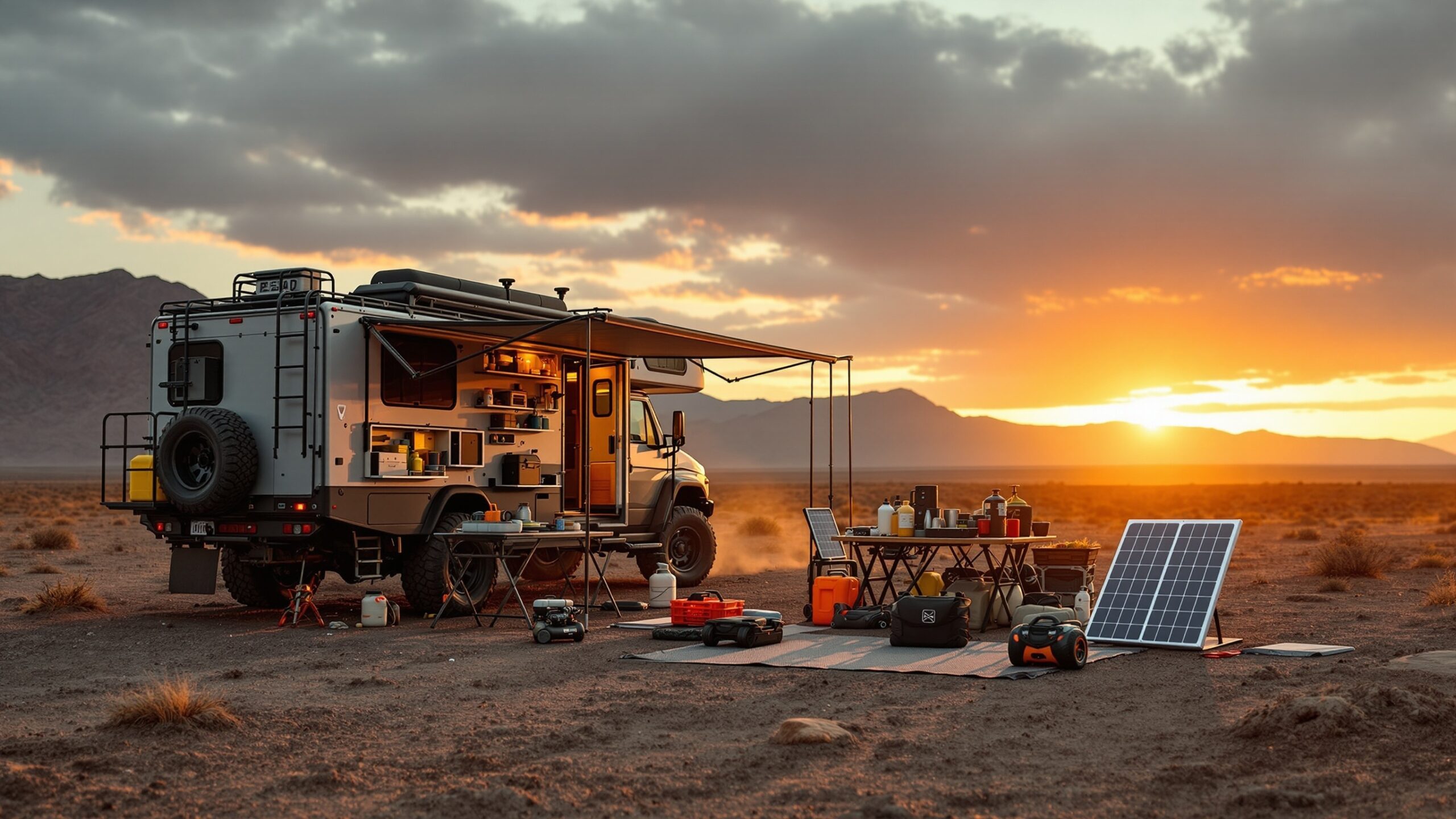
RV & Overlanding Essentials on Gear Streets is where freedom meets capability—your hub for the gear that turns the open road into a limitless playground. Whether you’re navigating remote backroads, setting up camp miles from civilization, or outfitting your RV for long-term travel, this category dives deep into the tools and systems that keep you powered, prepared, and comfortably self-sufficient. Explore rugged power solutions from solar arrays to portable stations, storage systems built to tame even the wildest gear loadouts, and water setups designed for long-haul independence. Discover must-have recovery gear for tough terrain, navigation tools for off-grid routing, comfortable sleep and living upgrades, and smart additions that maximize both safety and convenience. Every recommendation breaks down durability, efficiency, packability, installation ease, and real-world performance—so you can travel with confidence and tackle any adventure with a well-equipped rig. From quick weekend escapes to full-blown overland expeditions, RV & Overlanding Essentials on Gear Streets is your roadmap to going farther, safer, and with far more style.
A: RVing often focuses on road travel and campgrounds; overlanding emphasizes remote routes, self-reliance, and off-grid camping.
A: Not always—many routes are 2WD-friendly in good weather, but 4x4 and good tires greatly expand your options and safety margin.
A: A common baseline is 1–2 gallons per person per day, plus extra for dishes and emergencies if you’re far from services.
A: Combine batteries, solar, alternator charging, and careful usage—run heavy loads sparingly and monitor battery levels often.
A: With good judgement—choosing legal, well-chosen spots and staying aware of surroundings—many travelers safely boondock regularly.
A: Use campground apps, public land maps, ranger stations, and word-of-mouth from other travelers and locals.
A: Expect dead zones; download maps offline and consider a satellite communicator for check-ins and emergencies.
A: At least every travel day—monitor oil, coolant, and tire pressures, especially before long or rough stretches.
A: Yes, many people do—plan for pet-safe temps, water, secure riding spots, and mindful leash etiquette in camp.
A: Begin with short trips close to home, refine your packing list, and gradually stretch into longer, more remote adventures as your confidence grows.