
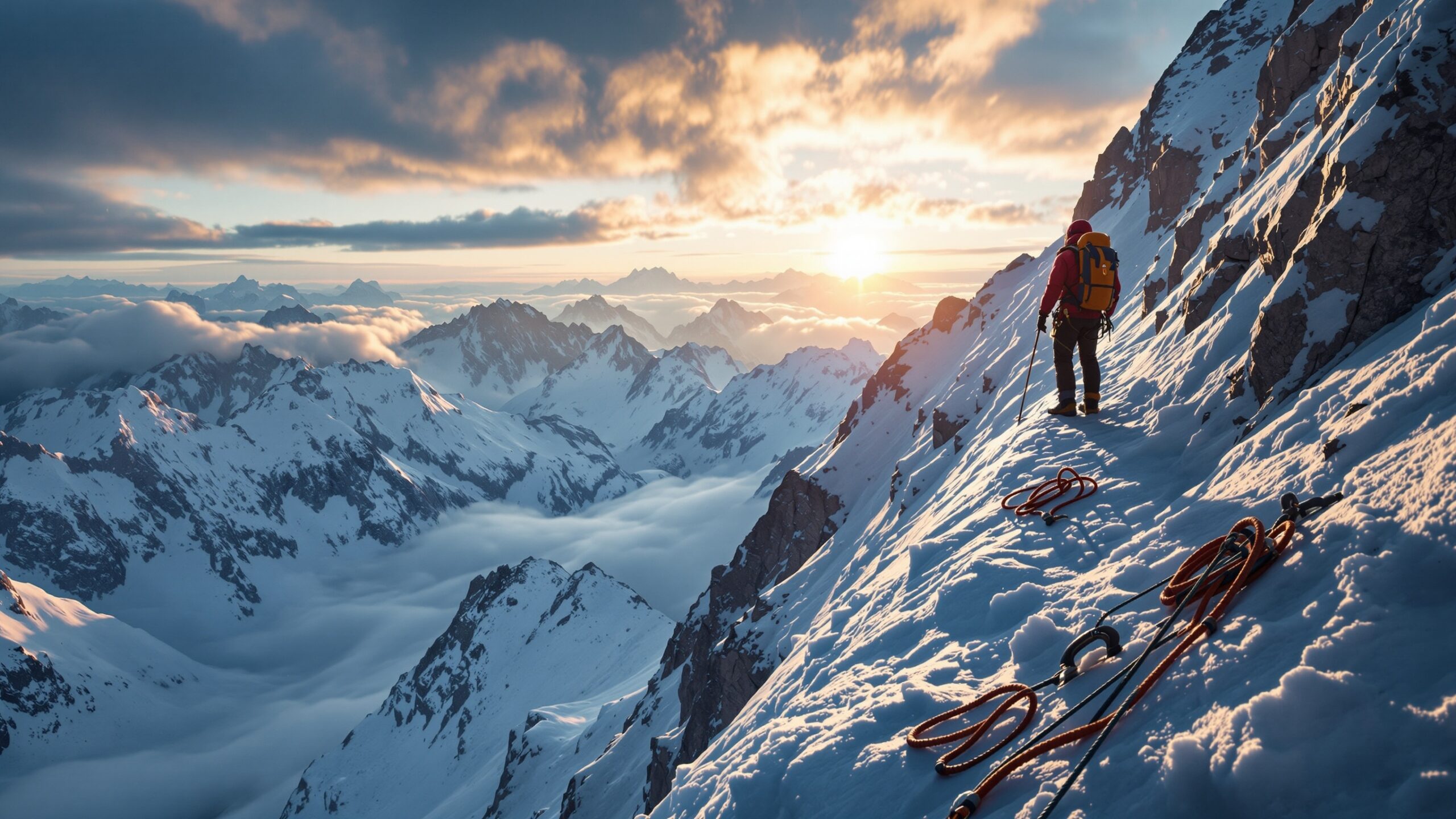
Mountaineering Equipment is where adventure meets absolute necessity—gear designed not just for performance, but for survival in the world’s most unforgiving environments. High above tree lines and far beyond marked trails, every carabiner, rope, and ice tool becomes part of a carefully balanced system built on trust, precision, and experience. On Gear Streets, this category explores the equipment that empowers climbers to move confidently through ice, rock, snow, and thin air. From razor-sharp crampons biting into frozen slopes to ice axes engineered for secure placements, modern mountaineering gear blends rugged durability with advanced materials and intelligent design. Harnesses distribute weight for long ascents, helmets guard against falling debris, and technical layers regulate warmth as conditions shift by the hour. This is gear that must perform flawlessly when the margin for error disappears. Here, you’ll find expert guides, safety-focused breakdowns, and deep dives into essential tools for alpine climbing, glacier travel, and high-altitude expeditions. Whether you’re training for your first summit or refining a seasoned setup, Mountaineering Equipment is the foundation that turns ambition into safe, calculated progress toward the peak.
A: Properly fitted boots that match your intended terrain and crampon style.
A: Only when terrain is steep enough that a slip could be dangerous and self-arrest skills apply—otherwise poles/microspikes may be sufficient.
A: Microspikes are for packed trails; crampons are for steeper, firmer snow and ice where serious traction is needed.
A: No shifting, correct length, snug straps/bails, and the boot sole stays fully seated in the binding.
A: When there’s rock/ice fall risk, steep terrain, or potential for tumbling—common in alpine routes.
A: Not always—ropes are common for glaciers/crevasse terrain and technical routes, paired with proper training.
A: Use insulated bottles, start with warm water, store bottles upside-down, and keep them inside your pack.
A: Base + insulating mid + weatherproof shell, plus an extra warm layer for stops and emergencies.
A: No—skills (navigation, self-arrest, avalanche awareness, rescue basics) are what make the gear effective.
A: Take a skills course or go with an experienced mentor/guide and start on low-commitment objectives.