
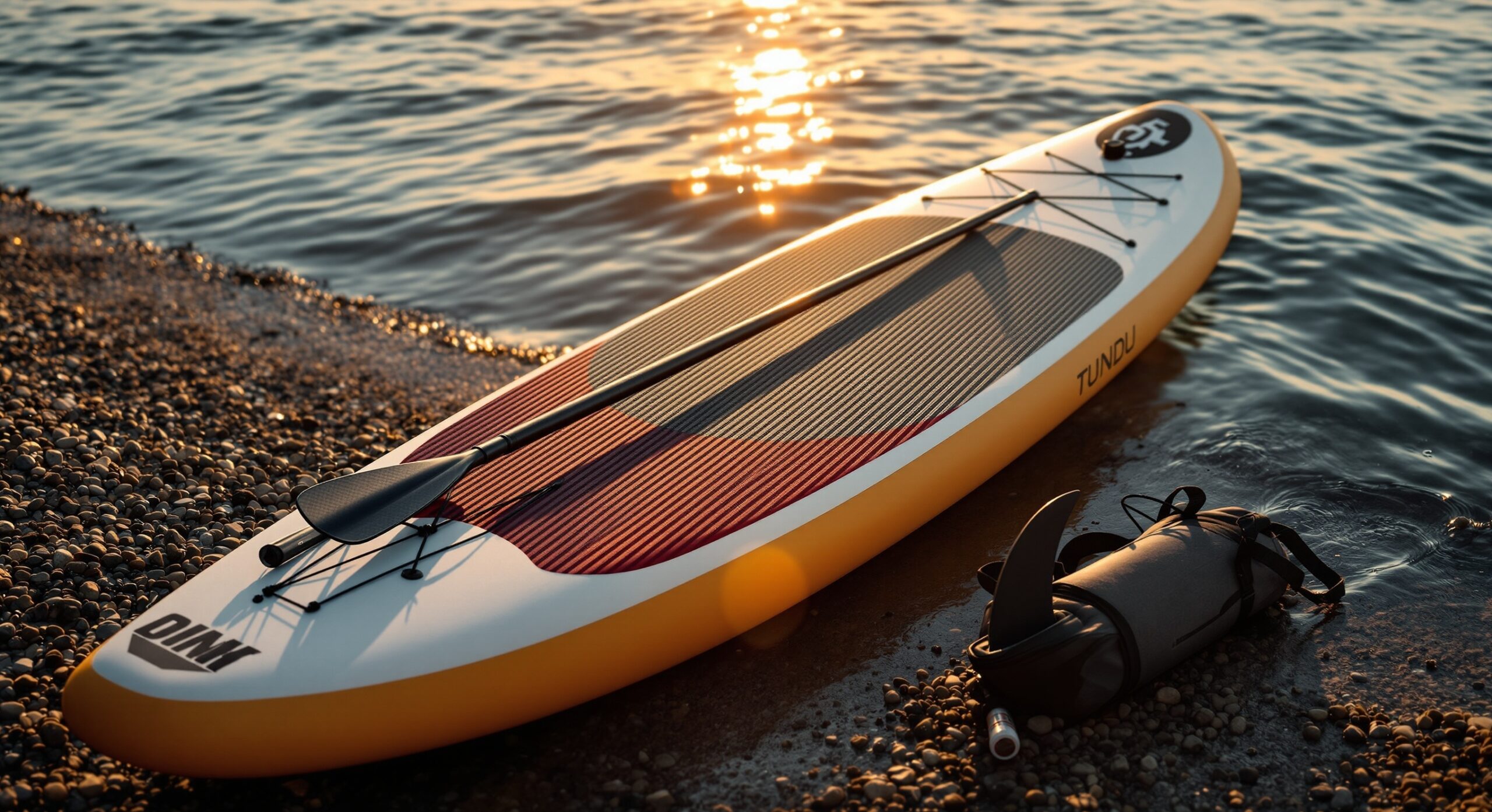
Behind every great paddleboarding experience is the right setup, and that’s where paddles and accessories truly shine. A well-matched paddle can transform your stroke—boosting efficiency, reducing fatigue, and helping you glide farther with less effort—while the right accessories keep every session smooth, safe, and stress-free. From lightweight carbon and adjustable paddles to coiled leashes, fins, pumps, dry bags, and repair kits, these essentials are the unsung heroes of SUP life. They shape how your board handles, how comfortable you feel on the water, and how prepared you are for changing conditions. Whether you’re heading out for a quick sunset cruise, a long-distance tour, SUP yoga, or your first river run, having dependable gear makes all the difference. On Gear Streets, our Paddles & Accessories hub dives into the details that matter—how to choose the right paddle length and blade shape, must-have add-ons for beginners and pros, smart upgrades, and overlooked essentials that elevate every outing. Because when your gear works with you, every paddle stroke feels smoother and every adventure lasts longer.
A: Use your height + boat width as the baseline; wider rec boats generally need longer paddles than narrow touring kayaks.
A: High-angle is powerful (fitness/whitewater); low-angle is efficient for touring and long days.
A: If you paddle often or go long distances, the lighter weight reduces fatigue and can improve technique consistency.
A: Usually a partial catch or angled blade—plant fully, keep the shaft more vertical, and consider a dihedral blade.
A: They reduce water running down the shaft into your cockpit or onto your hands.
A: For remote trips, yes—a breakdown spare is one of the smartest safety items you can carry.
A: Helpful in wind/open water; avoid standard leashes in moving water unless it’s a quick-release system.
A: Bent shafts can ease wrist strain for some paddlers; straight shafts are versatile and usually cheaper.
A: Keep out of direct sun/heat, avoid heavy pressure on blades, and store dry to protect ferrules and grips.
A: Use torso rotation and exit the stroke early—less strain, more speed.