
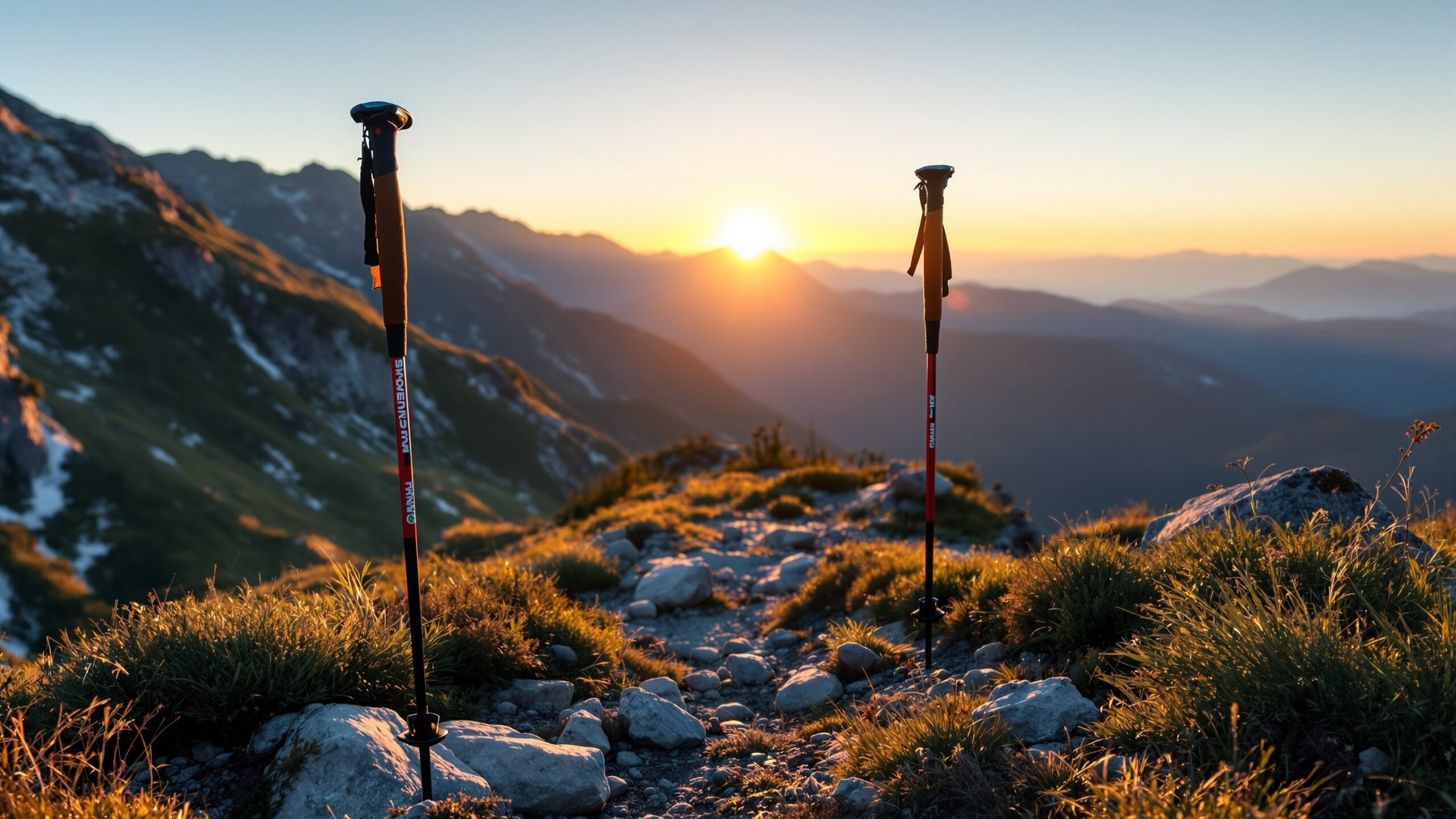
Trekking Poles may look simple, but on the trail they become one of the most powerful tools an adventurer can carry. On Gear Streets, this sub-category is your go-to portal for everything related to stability, rhythm, and confidence in motion. Whether you’re navigating steep switchbacks, crossing rushing streams, hauling a heavy pack through alpine passes, or simply trying to reduce joint strain on long descents, the right poles can transform your entire hiking experience. This page brings together an all-terrain collection of articles dedicated to choosing, using, and mastering trekking poles. Explore guides that break down carbon vs. aluminum builds, shock-absorbing systems, foldable vs. telescoping designs, proper pole sizing, and pro-level technique tips for every environment. Learn how to maximize efficiency uphill, maintain balance over uneven terrain, and increase speed without sacrificing energy. Whether you’re a seasoned thru-hiker or gearing up for your first weekend trek, consider this your launch point into smarter, smoother, and more supported travel. Trekking poles aren’t just accessories—they’re extensions of your stride, guardians of your momentum, and quiet partners on every climb and descent. Lace up, plant your poles, and let the trail rise to meet you.
A: Not always, but they can improve balance, reduce joint strain, and make long climbs and descents more comfortable.
A: Aim for a 90° bend at the elbow on level ground, then tweak shorter for climbs and longer for descents.
A: Aluminum is tough and forgiving; carbon is lighter but can be more brittle with side impacts.
A: Yes—properly used straps let you relax your grip and transfer weight through your wrists and forearms.
A: They often do by sharing load with your upper body, especially on steep downhill sections.
A: Rinse dirt from locks and sections, let them dry fully, and occasionally check and tighten hardware.
A: Policies vary; many airlines require poles in checked baggage, not carry-on.
A: Bare carbide tips for dirt and rock; add rubber caps for pavement, delicate surfaces, or indoor areas.
A: Ensure locks are snug, sections are fully engaged, and remove grit that might interfere with mechanisms.
A: Absolutely—they can build confidence, balance, and safe habits when sized and taught properly.

Best Trekking Poles for Beginners and First-Time Hikers
Choosing your first trekking poles can make every hike safer and more enjoyable. Learn how to select the best trekking poles for beginners, understand key features, and gain confidence on the trail with this complete beginner-friendly guide.

Best Budget Trekking Poles That Still Perform Great
Great trekking poles don’t have to be expensive. Learn what makes the best budget trekking poles stand out and discover how to choose an affordable pair that performs well on every hiking adventure.

Best Carbon Fiber Trekking Poles for Serious Hikers
Carbon fiber trekking poles offer lightweight performance, reduced fatigue, and exceptional comfort for serious hikers. Learn what makes them worth the investment and how to choose the best pair for your next adventure.