
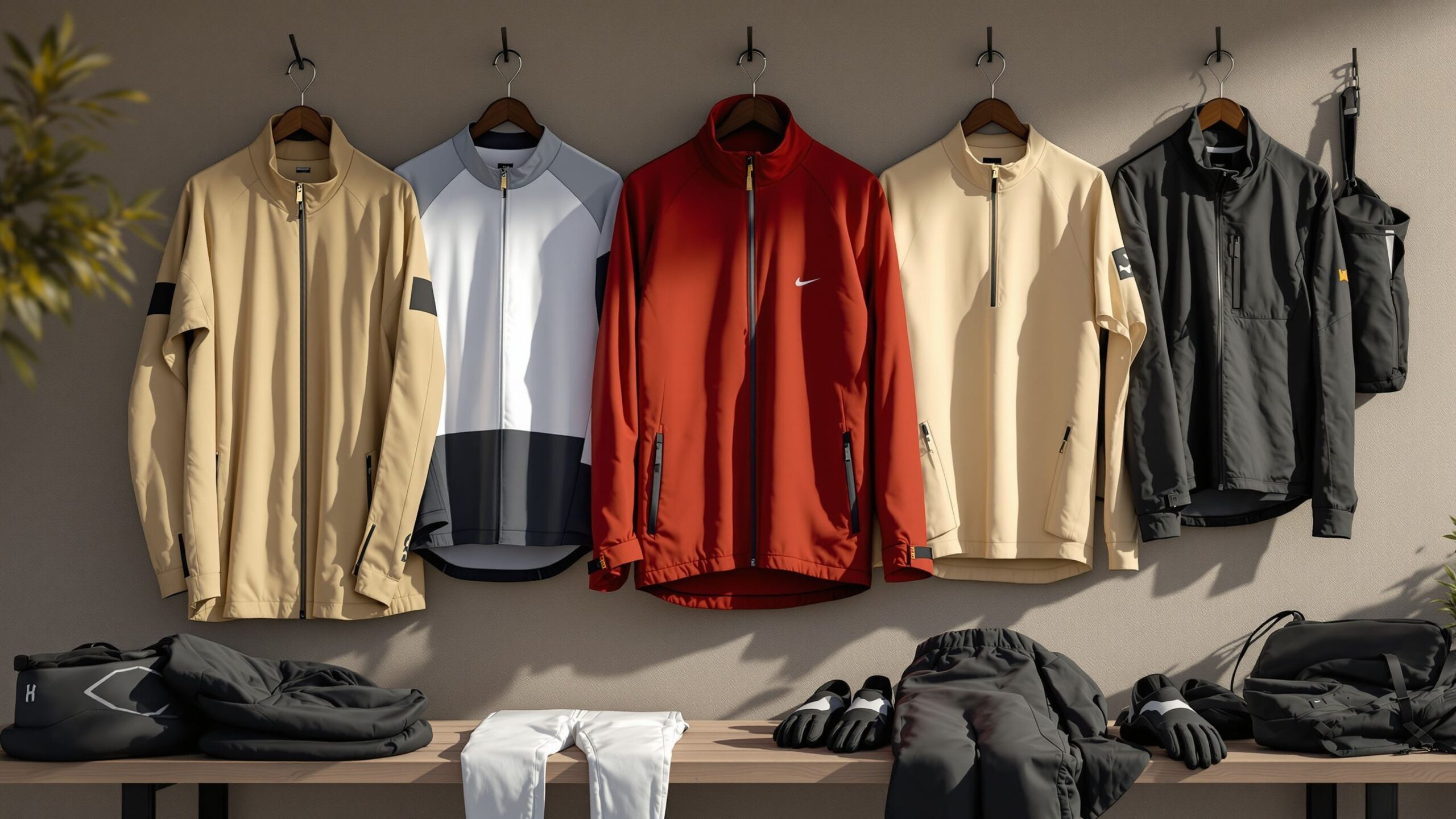
Ride clothing is where comfort, performance, and protection come together to shape every mile of the journey. Designed for movement and changing conditions, modern riding apparel helps regulate temperature, manage moisture, and reduce fatigue whether you’re pedaling hard, cruising long distances, or navigating rugged terrain. From jerseys and shorts to jackets, base layers, and weather protection, the right clothing adapts to how you ride and where the day takes you. Fit, fabric choice, and durability matter just as much as style, ensuring freedom of movement without distraction. High-visibility elements enhance safety, while abrasion-resistant materials and reinforced panels add confidence when conditions get tough. Ride clothing isn’t about looking fast—it’s about feeling prepared and staying focused from start to finish. This section of Gear Streets explores riding apparel types, layering strategies, fabric technologies, seasonal considerations, and emerging trends in performance wear. If you want to stay comfortable, protected, and ready for whatever the ride brings, this is where smart gear meets real-world riding.
A: Yes—fit, durability, and moisture control make a noticeable difference in comfort and safety.
A: Shorts for hot weather; pants for protection, cooler temps, or aggressive terrain.
A: For longer rides, yes—they reduce pressure and friction significantly.
A: Start with a wicking base, add wind protection, then insulation if needed.
A: It works but offers less durability and pocket security than trail-specific apparel.
A: Lightweight synthetics or merino blends with good airflow.
A: Snug but unrestricted—no binding when standing or pedaling.
A: Often similar, but slightly more durable pants and gloves help at higher speeds.
A: After sweaty rides—clean fabric performs and lasts longer.
A: Wearing cotton or overly loose clothing.