
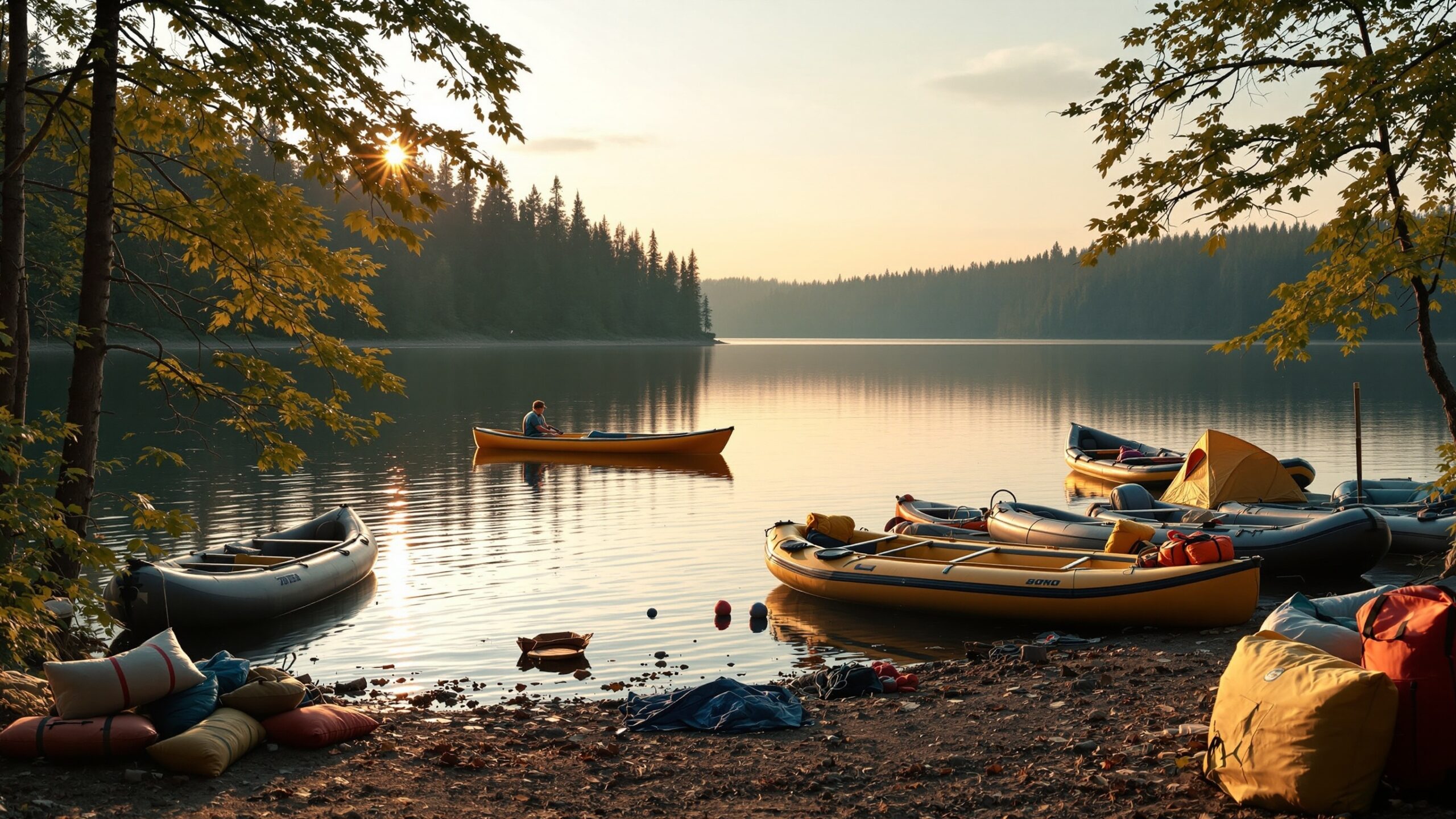
Boat camping combines paddleboarding with the freedom of overnight adventure, turning waterways into quiet corridors that lead to secluded campsites. Instead of crowded campgrounds or busy marinas, you travel by water, carrying everything you need on your board and setting up camp where shorelines feel untouched. Success in boat camping comes down to smart planning and reliable gear—compact tents, lightweight sleep systems, cooking setups, and storage solutions that stay secure and dry while paddling. Balance and organization matter, especially when loading your board for longer distances or changing conditions. Weather awareness, route planning, and campsite selection all play a role in creating a smooth, rewarding experience. On Gear Streets, our Boat Camping section explores how to build efficient setups, choose gear that packs small without sacrificing comfort, and adapt camping skills to life on the water. Whether you’re paddling to a hidden island, drifting along a winding river, or anchoring near a remote shoreline, boat camping offers a slower pace, deeper connection to nature, and the rare feeling of truly earning your campsite by the strokes it took to reach it.
A: Yes on calm water with conservative routes—start small, watch weather, and keep a solid safety plan.
A: Shore camps are simpler for tents; boat sleeping depends on stability, space, and anchor confidence.
A: Store it in a large roll-top dry bag and keep it separated from wet gear—never “temporarily” set it down uncovered.
A: Underestimating wind and water temperature—both can turn a fun trip into a grind.
A: Often yes if you’re not beaching or tying off—an anchor and proper line make overnight stays much more secure.
A: More than land camping—boating, sun, and wind dehydrate you fast; bring extra for cooking and cleanup.
A: Only where it’s allowed—check local rules and restrictions; a stove is usually the safest default.
A: Use sealed containers; follow local guidance (bear country may require hard-sided storage or specific practices).
A: Choose protected spots, secure gear, and have an exit plan; don’t hesitate to relocate before conditions worsen.
A: Pack in labeled dry-bag “pods” and clip critical bags to the boat so nothing becomes driftwood.