
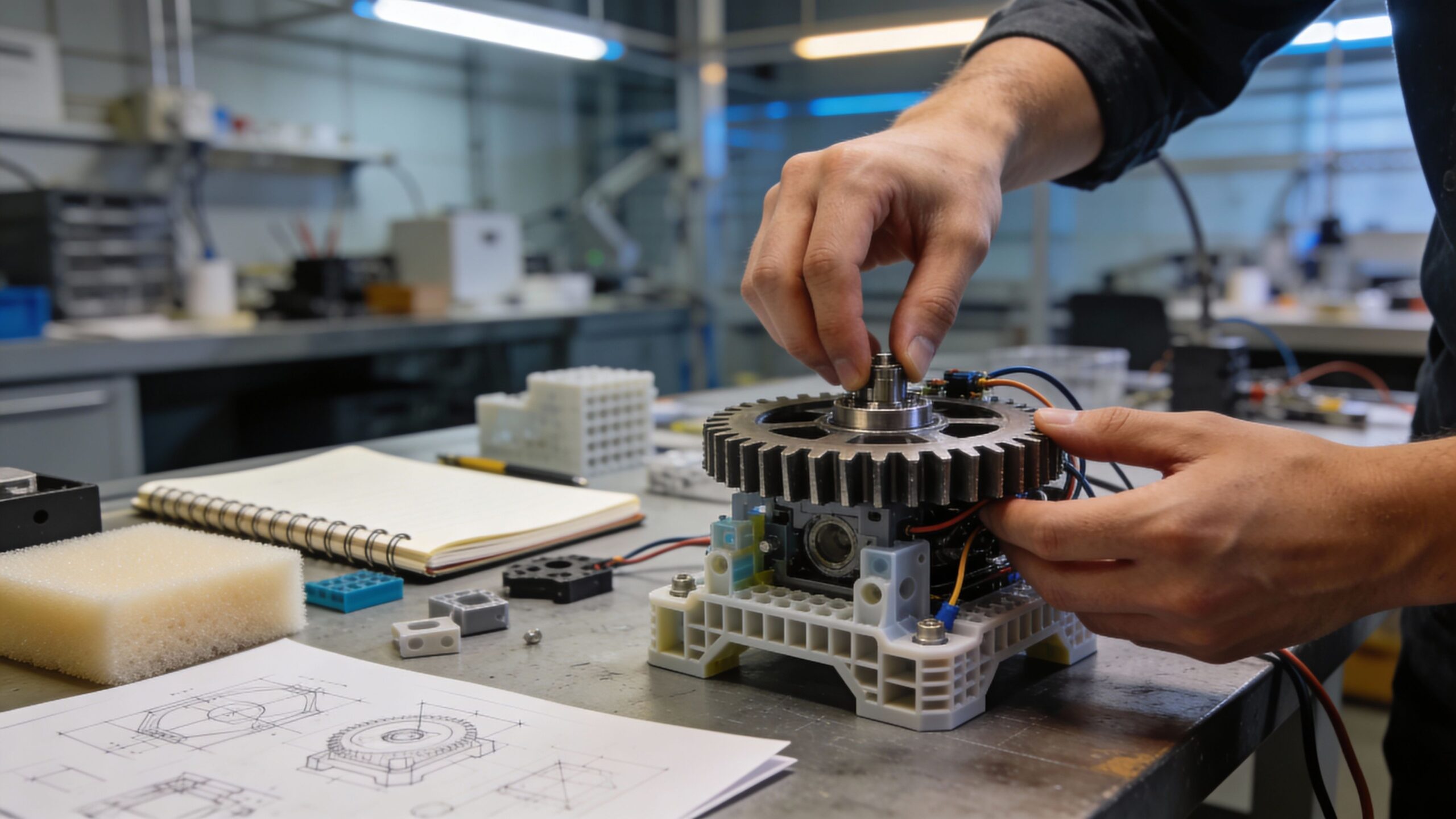
Prototype Innovations is where raw ideas take their first physical form and future gear begins to emerge. This space explores the experimental stage of creation—the sketches, mockups, test builds, and early models that bridge imagination and real-world function. From rough concepts built with scrap materials to advanced prototypes using cutting-edge tools, these articles dive into how innovators think, iterate, and refine. You’ll discover how problems are identified, solutions are tested, and designs evolve through trial, failure, and breakthrough moments. We explore materials, fabrication methods, rapid prototyping techniques, and the creative decisions that shape early builds long before they reach a finished state. Prototype Innovations celebrates bold experimentation, fast learning, and the courage to test ideas before they’re perfect. Whether you’re developing new gear, experimenting with form and function, or fascinated by how tomorrow’s tools are born, this is where the creative process is laid bare. If you love seeing concepts come to life and believe innovation starts with building, breaking, and rebuilding, you’re in the right place.
A: When it’s safe, functional, and failure will teach you something useful.
A: No—prove function first, then remove excess material.
A: Expect 3–7 meaningful versions before convergence.
A: Real users in real conditions—especially those outside your design assumptions.
A: Use repeatable tests: load, distance, time, wear, and comfort scoring.
A: No—polish too early can slow honest iteration.
A: Stitching, attachment points, and adjustability mechanisms.
A: Yes, but isolate variables so results are clear.
A: When field feedback plateaus and changes create more tradeoffs than gains.
A: Users forget it’s new—and just enjoy the trail.