
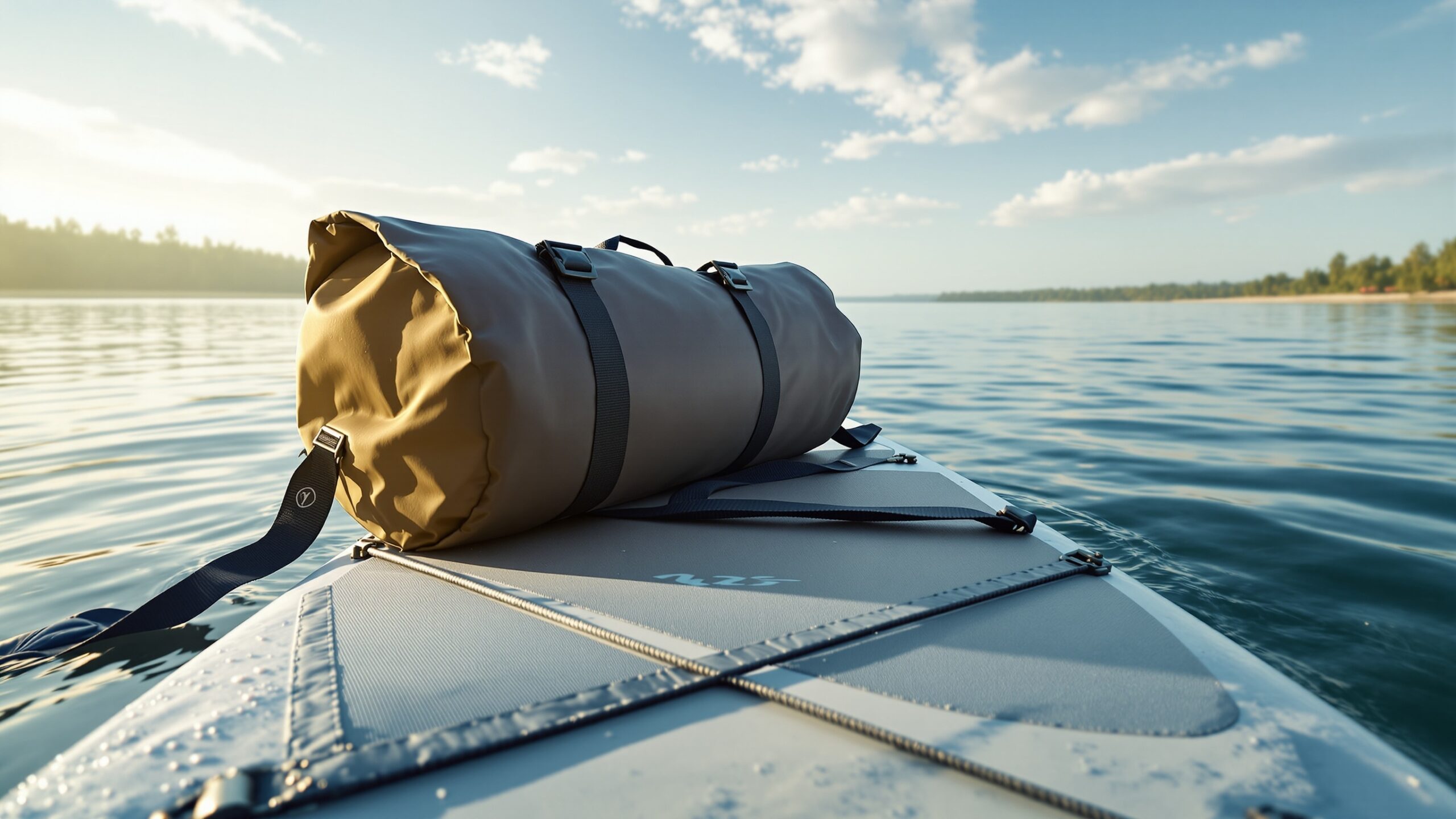
Waterproof bags are the quiet heroes of every paddleboarding adventure, protecting your essentials while you focus on the water ahead. Whether you’re carrying a phone, keys, camera, snacks, extra layers, or fishing gear, these bags keep moisture out and peace of mind in. Designed to handle splashes, spray, and unexpected dunks, waterproof bags come in many styles—from compact dry pouches and roll-top deck bags to larger backpacks built for longer outings. A good waterproof bag doesn’t just seal out water; it stays secure on your board, balances weight properly, and allows quick access when you need something mid-paddle. Durable materials, reinforced seams, and reliable closures are key, especially when conditions shift or distances stretch longer than planned. On Gear Streets, our Waterproof Bags section explores smart storage solutions for every type of paddler, covering sizes, mounting options, and real-world use cases. Whether you’re cruising close to shore or heading off on an all-day adventure, the right waterproof bag keeps your gear dry, organized, and ready—so nothing slows down your time on the water.
A: They can be very waterproof for splashes and brief dunking if rolled tightly (3+ rolls), but nothing is magic—double-bag valuables for high-risk trips.
A: 5–10L for essentials, 15–25L for day trips, 30–40L+ for camping and bulky layers.
A: Zippers are faster for access; roll-tops are often more reliable and easier to maintain in gritty, sandy conditions.
A: Overstuffing, poor rolling, grit in zippers, worn seams, or submersion beyond design limits can all cause leaks.
A: Rinse thoroughly with fresh water, let it dry fully (inside and out), and store out of sun/heat.
A: Yes—use odor-control practices and clean crumbs; for wildlife areas, follow local food storage rules.
A: Dry completely before storage, air out regularly, and avoid sealing damp gear inside for long periods.
A: Use a phone waterproof case + lanyard, then keep it inside a small dry bag as a backup barrier.
A: Often yes if there’s trapped air, but don’t rely on it—clip/tether bags so they don’t drift away.
A: Clean and dry the area, then use a compatible patch/adhesive (or durable tape as a temporary fix) and re-test before relying on it.