
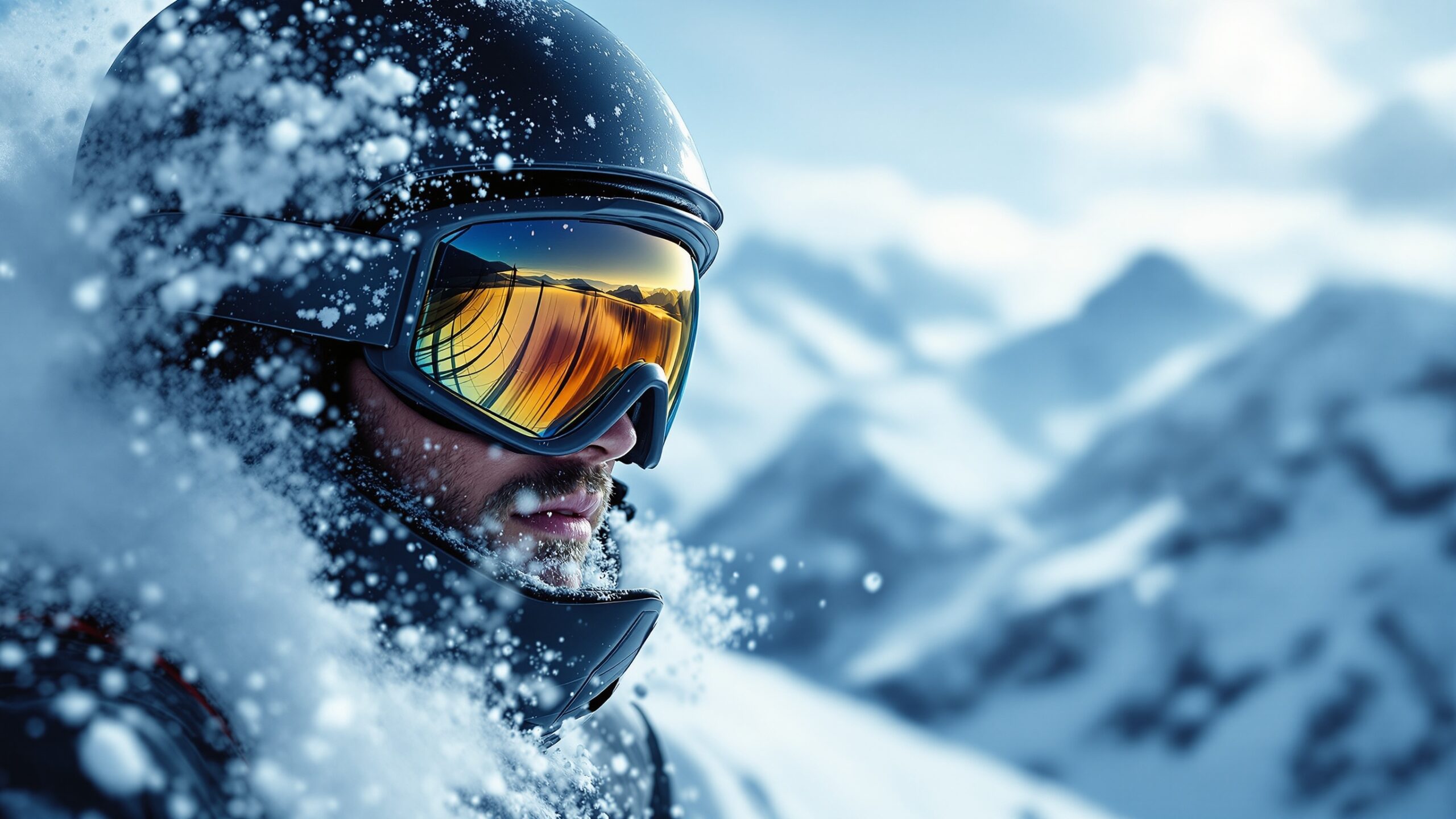
Goggles & Helmets are the frontline of protection on the mountain, shielding vision, focus, and confidence when conditions turn intense. From blinding alpine sun to flat-light snowstorms, these essentials work together to keep you safe, aware, and fully immersed in every run. On Gear Streets, this category explores the gear designed to protect what matters most while enhancing comfort and performance. Modern helmets combine impact protection with lightweight construction, ventilation systems, and precise fit technologies that stay comfortable from first chair to last run. Goggles elevate visibility through advanced lens designs, anti-fog coatings, and contrast-enhancing tints that help terrain details pop in changing light. Together, they create a seamless system that reduces fatigue and sharpens reaction time. Here, you’ll find expert guides, safety insights, and gear breakdowns covering helmet certifications, fit adjustments, lens types, and weather-specific setups. Whether you’re carving groomers, riding powder, or navigating storm days, Goggles & Helmets deliver the clarity and protection that let you ride with confidence—focused, protected, and ready for whatever the mountain throws your way.
A: Moisture + poor ventilation + warm air from breath. Manage layers, vents, and face covering placement.
A: Ideally yes—one for sunny (lower VLT) and one for storms/night (higher VLT).
A: Visible Light Transmission—how much light passes through the lens. Higher = brighter view; lower = darker.
A: Not required, but it can improve fit and reduce goggle gap—always test together if possible.
A: Snug, even pressure, no wobble when buckled—tight enough that it won’t shift in a fall.
A: It’s not recommended—can compromise fit and protection. Use a thin liner designed for helmets.
A: After a significant impact, or if you see cracks/compressed foam; also replace if it no longer fits securely.
A: Shake/blow off snow, dab dry, and air-dry. Avoid wiping the inside lens when wet.
A: Often yes—look for deeper frames and good venting. Some prefer prescription inserts for less fog.
A: A dedicated storm/low-light lens—terrain contrast improves dramatically in flat light.