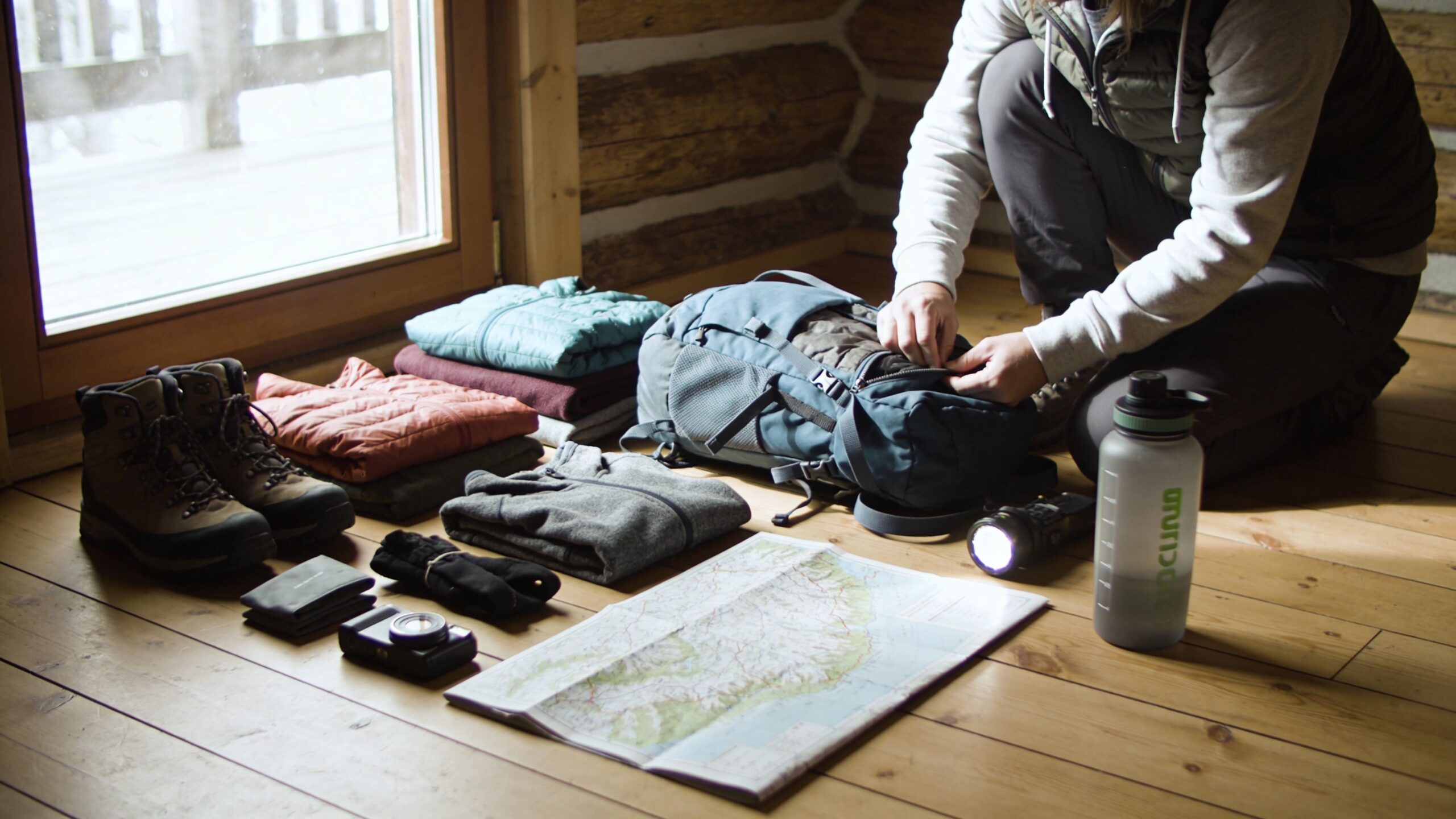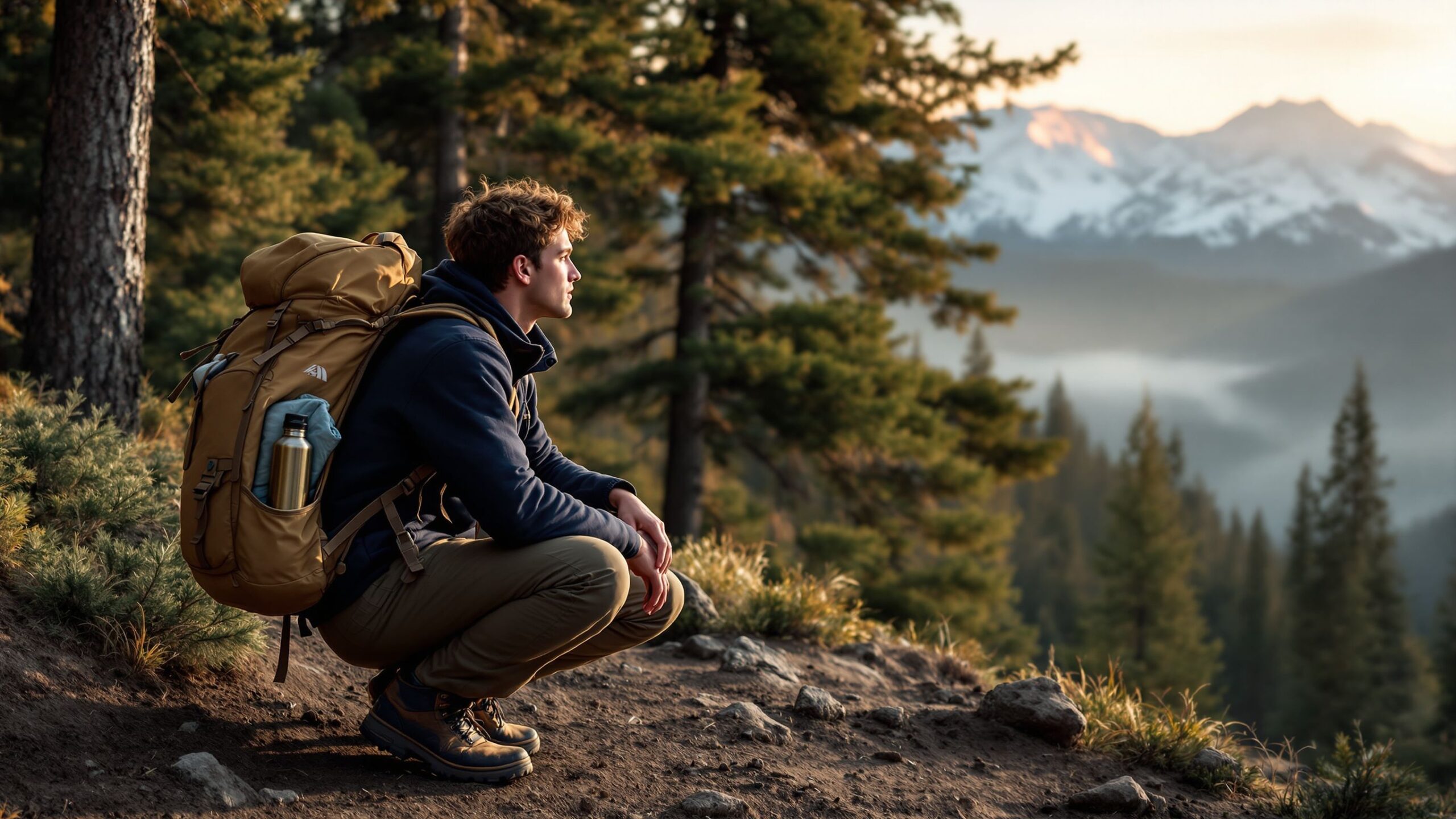
When uncertainty strikes—whether it’s a natural disaster, unexpected evacuation, or an off-grid adventure—your survival backpack becomes more than just gear. It becomes your lifeline. The difference between panic and preparedness often comes down to what you packed before the moment arrived. A well-built survival backpack is not about stuffing everything you own into a bag; it’s about thoughtful selection, efficiency, and understanding what truly matters when conditions turn unpredictable. This guide is designed to be the only survival backpack checklist you’ll ever need. It combines practicality with real-world insight, helping you build a pack that works whether you’re preparing for emergencies, wilderness survival, or long-term self-reliance. Every item has a purpose. Every category matters. And by the end, you’ll understand not just what to pack—but why it belongs there.
A: Water and water purification are often the highest priorities because dehydration becomes dangerous quickly.
A: It should be as light as possible while still covering essentials, since extra weight drains energy fast.
A: Water comes first, but compact high-calorie food is still important for energy and morale.
A: Not always; many people use a tarp, bivy, poncho, or emergency shelter to save weight.
A: No; it helps, but batteries, service, and weather can fail, so a map and compass are smart backups.
A: At least two or three methods are ideal, such as a lighter, matches, and a ferro rod.
A: Dry feet help prevent blisters, improve comfort, and keep you moving safely.
A: A compact kit with bandages, blister care, gauze, tape, meds, and trauma basics usually works best.
A: Yes, but it should also be checked regularly so food, batteries, meds, and clothing stay usable.
A: A reliable checklist balances shelter, water, warmth, tools, and practice rather than chasing flashy gear.
The Philosophy Behind a Survival Backpack
Before diving into the checklist, it’s essential to understand the mindset behind a survival pack. Survival isn’t about having the most gear—it’s about having the right gear. Your backpack should support the fundamental pillars of survival: shelter, water, food, warmth, navigation, and communication. Everything you include should directly support one or more of these priorities.
Weight is a critical factor. A bag that is too heavy will slow you down, drain your energy, and become a liability rather than an asset. Aim for a balance between preparedness and mobility. Ideally, your pack should be something you can carry comfortably for extended periods without fatigue.
Another important principle is redundancy—but only where it matters. For example, having multiple ways to start a fire or purify water can be life-saving, while duplicating bulky items like clothing or tools can quickly weigh you down.
Choosing the Right Backpack
Your survival system begins with the backpack itself. Not all bags are created equal, and your choice will influence everything else you carry. A high-quality backpack should be durable, weather-resistant, and designed for load distribution. Look for reinforced stitching, padded shoulder straps, and a supportive waist belt to help distribute weight evenly.
Capacity typically ranges from 40 to 70 liters, depending on your needs. A smaller pack is ideal for short-term emergencies, while a larger one accommodates extended survival scenarios. Compartments and organizational features are valuable, but simplicity is often better—especially in high-stress situations where quick access matters.
Neutral or natural colors like olive, black, or gray are preferable for blending into your surroundings. Bright colors may be easier to spot but can also draw unwanted attention in certain situations.
Water: Your Most Critical Resource
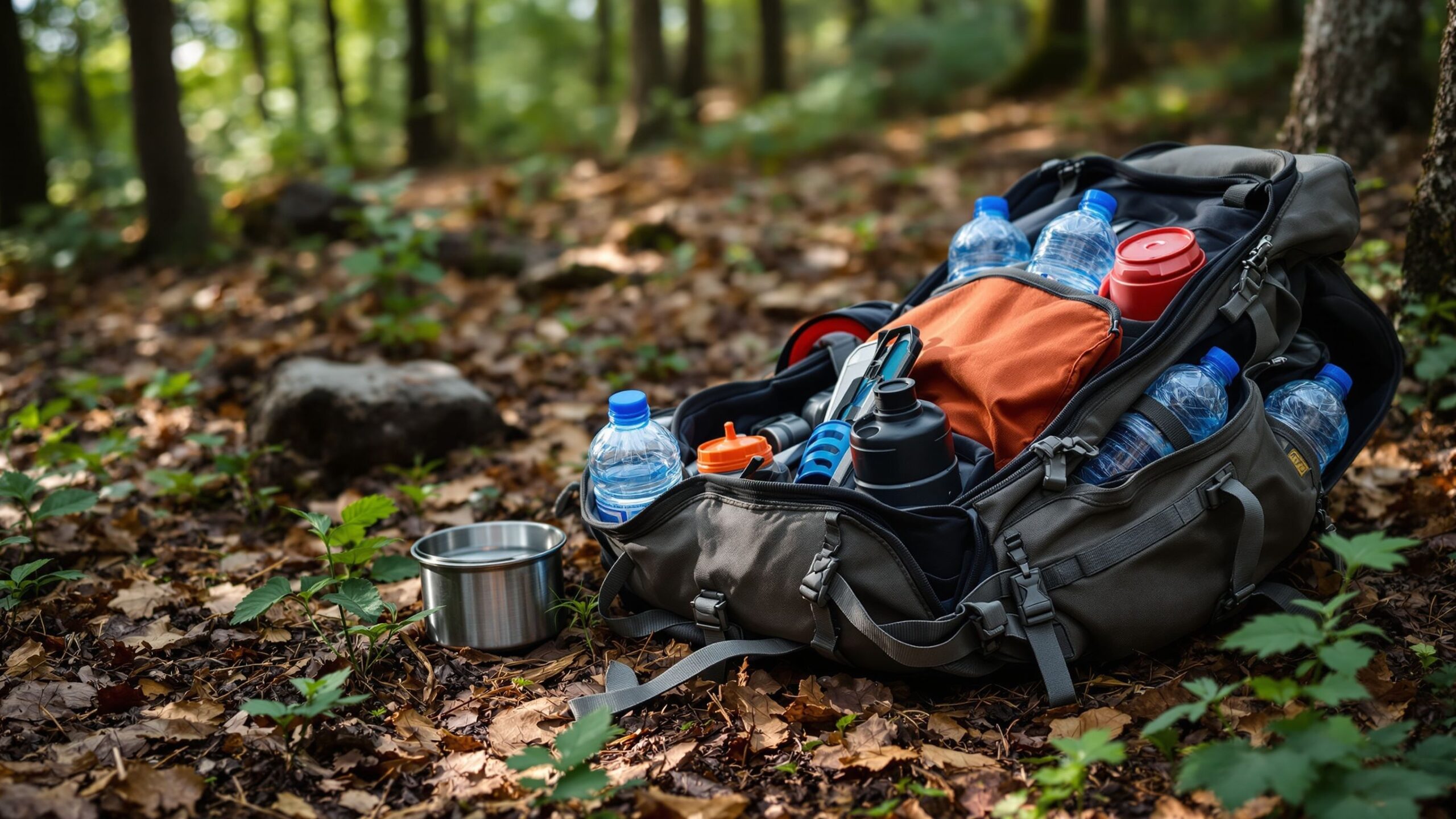
Water is the single most important component of survival. The human body can only last a few days without it, and dehydration can impair decision-making long before that point. Your survival backpack should prioritize both water storage and purification.
Carry at least one durable water bottle or hydration bladder, along with a collapsible container for collecting additional water when needed. However, storage alone is not enough. You must also have reliable methods to purify water from natural sources.
Water filters are lightweight and highly effective at removing bacteria and protozoa. Purification tablets offer a backup solution, especially in situations where your filter fails or becomes clogged. Boiling water is another dependable method, which is why your pack should also include a way to safely heat water.
The goal is simple: never rely on a single method. Redundancy in water purification is not optional—it’s essential.
Food: Sustaining Energy and Focus
Food in a survival backpack is less about comfort and more about function. You need items that are calorie-dense, lightweight, and long-lasting. In survival situations, your body burns more energy due to stress, movement, and environmental exposure, so your food supply must keep up.
High-energy bars, dehydrated meals, nuts, and ready-to-eat options are excellent choices. These foods provide a balance of carbohydrates, fats, and protein, helping you maintain stamina over time. Freeze-dried meals are particularly useful because they are lightweight and only require water to prepare.
It’s also wise to include a compact cooking system. A small stove or portable heat source allows you to prepare meals, boil water, and maintain morale. Eating warm food can have a powerful psychological effect, especially in challenging conditions.
Remember that food is not just fuel—it’s also comfort. A small morale-boosting item, like a favorite snack, can make a significant difference when stress levels rise.
Shelter: Protection from the Elements
Exposure is one of the most underestimated threats in survival situations. Without proper shelter, even mild weather can become dangerous. Your survival backpack should include reliable tools for creating immediate protection from wind, rain, and cold.
A lightweight tarp or emergency bivvy is one of the most versatile shelter options available. It can be set up in various configurations, providing quick coverage in almost any environment. Pair this with paracord or strong cordage to secure your shelter effectively.
An emergency blanket or thermal bivvy is another essential item. These compact tools reflect body heat and can help prevent hypothermia. While they are not a substitute for proper shelter, they provide critical backup when conditions deteriorate.
Your goal is not to build a perfect campsite—it’s to create a safe, functional space that protects you long enough to rest, recover, and plan your next move.
Fire: Warmth, Cooking, and Survival
Fire is one of the most powerful tools in your survival arsenal. It provides warmth, allows you to cook food, purify water, and even signal for help. Your survival backpack should include multiple methods for starting a fire.
A reliable lighter is the simplest option, but it should never be your only one. Waterproof matches and a ferro rod offer additional layers of redundancy. Each method has its strengths, and having multiple options ensures you’re prepared for different conditions.
Tinder is just as important as ignition tools. Natural materials are not always available or dry, so carrying a small supply of reliable tinder can save valuable time and effort. Fire starters, cotton balls with petroleum jelly, or commercial tinder products are excellent choices.
Fire is more than a tool—it’s a lifeline. Treat it as such.
Clothing: Layering for Survival
Clothing in your survival backpack should focus on adaptability rather than quantity. The key is layering, which allows you to adjust your insulation based on changing conditions. Each layer serves a purpose, from moisture-wicking base layers to insulating mid-layers and weather-resistant outer shells.
Pack an extra set of socks and undergarments, as dry clothing can significantly improve comfort and prevent health issues. Gloves, a hat, and a compact rain jacket are also essential items that can make a major difference in harsh environments.
Avoid cotton whenever possible, as it retains moisture and loses insulating properties when wet. Instead, opt for materials like wool or synthetic fabrics that maintain warmth even in damp conditions.
Tools and Gear: Function Meets Versatility
A survival backpack should include tools that offer maximum utility without unnecessary bulk. A high-quality multi-tool or knife is one of the most important items you can carry. It can be used for cutting, building, repairing, and preparing food.
A compact flashlight or headlamp is another essential tool, especially for navigating in low-light conditions. Choose a model with long battery life and include spare batteries or a rechargeable option.
Duct tape, zip ties, and a small repair kit can solve a surprising number of problems, from fixing gear to improvising solutions in the field. These items may seem minor, but their versatility makes them invaluable.
Navigation tools, such as a map and compass, are also critical. While digital devices are convenient, they can fail or lose power. Having a reliable backup ensures you can always find your way.
First Aid: Prepared for the Unexpected
Injuries can happen at any time, and in a survival situation, even minor issues can escalate quickly. A well-stocked first aid kit is not optional—it’s a necessity.
Your kit should include bandages, antiseptic wipes, pain relievers, and basic medical supplies for treating cuts, burns, and sprains. If you have specific medical needs, such as prescription medications, make sure they are included and regularly updated.
Knowledge is just as important as supplies. Understanding how to use your first aid kit can make the difference between a manageable injury and a life-threatening situation.
Communication and Signaling
In many survival scenarios, the goal is not just to endure—it’s to be found. Communication and signaling tools increase your chances of rescue and help you stay connected when possible.
A whistle is a simple yet effective signaling device that requires minimal effort and can be heard over long distances. A signal mirror can reflect sunlight to attract attention, while a compact radio allows you to receive important updates.
If available, a fully charged mobile device with a backup power source can be invaluable. However, never rely solely on electronic devices, as they are vulnerable to failure.
Hygiene and Personal Care
Hygiene may not seem like a priority in survival situations, but it plays a crucial role in maintaining health and morale. Simple items like wet wipes, hand sanitizer, and a small towel can help prevent infections and improve overall comfort.
Toilet paper, a small shovel, and basic sanitation supplies should also be included. These items may not be glamorous, but they are essential for maintaining dignity and cleanliness in challenging conditions.
The Importance of Customization
No two survival backpacks should be identical. Your environment, climate, and personal needs will influence what you carry. Someone preparing for a desert environment will prioritize water differently than someone in a cold, mountainous region.
Regularly review and update your pack to ensure everything is functional and relevant. Replace expired items, test your gear, and adjust your checklist based on new knowledge or experiences.
A survival backpack is not a one-time project—it’s an evolving system that grows with you.
Preparedness Is Power
The idea of a survival backpack is not rooted in fear—it’s rooted in empowerment. Knowing that you are prepared for the unexpected provides a sense of confidence that extends beyond emergencies. It allows you to move through the world with greater awareness, resilience, and peace of mind.
The only survival backpack checklist you’ll ever need is not about perfection—it’s about readiness. It’s about having the right tools, the right mindset, and the ability to adapt when circumstances change.
When the moment comes, you won’t have time to think about what you forgot. You’ll rely on what you packed, what you practiced, and what you prepared for. And with the right survival backpack, you won’t just endure—you’ll be ready.