Stepping into the wilderness for the first time is both thrilling and transformative. The moment you leave behind paved roads, city lights, and constant connectivity, you enter a world shaped by nature’s rhythms. Towering forests, sweeping mountain ridges, and quiet rivers become your surroundings, offering both beauty and challenge. But the success of your first wilderness adventure depends heavily on preparation. Knowing what to pack can make the difference between a stressful outing and a memorable journey filled with confidence and wonder. Packing for the wilderness is not about bringing everything you might possibly need. Instead, it’s about choosing the right gear that keeps you safe, comfortable, and prepared for changing conditions. Beginners often make the mistake of either overpacking heavy items or forgetting critical essentials. The goal of a well-planned wilderness packing list is balance. Every item should serve a purpose, helping you navigate, rest, cook, stay warm, and respond to unexpected situations. This guide explores the complete starter list for first-time wilderness adventurers. From backpacks and shelter systems to food supplies and safety gear, each category plays a vital role in ensuring that your journey into the wild is both safe and unforgettable.
A: Prioritize shelter, water, food, clothing layers, navigation, lighting, and basic emergency gear.
A: For many beginner overnight trips, a pack in the 40L to 60L range is a common starting point.
A: Yes, because wilderness weather can change quickly and wet clothing can become a safety issue.
A: Carry enough for your route and know where your refill points are, plus bring a safe way to treat more.
A: It is better to avoid cotton because it stays wet and can make you cold and uncomfortable.
A: Lightweight, calorie-dense foods like bars, nuts, dried fruit, instant meals, jerky, and nut butter work well.
A: Yes, even short outings should include basic first aid and blister treatment supplies.
A: Yes, because batteries die, signal disappears, and a paper map adds a dependable backup.
A: Overpacking comfort items and underestimating how important weather protection and foot care are.
A: A dependable water treatment method is one of the most important items you can bring.
Choosing the Right Backpack for Wilderness Travel
Your backpack is the foundation of your entire wilderness kit. It carries everything you need and must be comfortable enough to wear for hours or even days. For beginners planning an overnight or multi-day adventure, a backpack with a capacity of roughly 40 to 60 liters usually provides enough space for gear without becoming overly heavy.
Comfort and fit matter more than almost any other feature. A properly fitted backpack distributes weight evenly between your hips and shoulders, preventing fatigue and strain. Look for adjustable straps, padded hip belts, and breathable back panels that help reduce sweat buildup during long hikes.
Organization is also essential. Backpacks with multiple compartments allow you to separate sleeping gear, cooking equipment, clothing, and emergency supplies. This structure makes it easier to access important items quickly, especially when weather changes suddenly or daylight begins to fade.
While some hikers prioritize ultralight backpacks, beginners often benefit from slightly sturdier packs that provide durability and stability. A reliable backpack becomes your mobile base camp, protecting your gear and allowing you to travel deeper into the wilderness with confidence.
Shelter Systems That Protect You from the Elements
Once night falls in the wilderness, your shelter becomes your refuge. Weather can shift rapidly in natural environments, making dependable shelter one of the most important items on your packing list.
For beginners, a lightweight backpacking tent is usually the best option. Modern tents are designed to be compact, weather-resistant, and relatively easy to assemble. Look for tents with waterproof rainflies, durable poles, and proper ventilation to reduce condensation during cold nights.
Some adventurers prefer hammocks or tarp shelters, but these systems require additional skills and may not provide the same protection in unpredictable conditions. A tent offers simplicity and security, especially for those new to wilderness travel.
Ground insulation is just as important as overhead shelter. Sleeping pads create a barrier between your body and the cold ground, preserving warmth and improving comfort. Without this insulation, even a warm sleeping bag may not prevent heat loss during the night.
Your shelter system should also include stakes, guy lines, and a compact repair kit. These small additions ensure that your shelter remains secure in windy conditions and can be quickly fixed if something breaks during the trip.
Sleeping Gear for Restful Nights Outdoors
Quality sleep is essential for maintaining energy and focus during wilderness adventures. The right sleeping gear helps your body recover after long hikes and prepares you for the next day’s journey.
Sleeping bags are designed with temperature ratings that indicate the lowest temperatures they can handle. Beginners should select a sleeping bag rated slightly colder than the expected nighttime temperatures. This extra buffer helps ensure warmth even if weather conditions shift unexpectedly.
Down sleeping bags offer excellent warmth-to-weight ratios, making them popular among backpackers. However, synthetic sleeping bags perform better in damp environments and tend to be more affordable.
Sleeping pads serve multiple purposes beyond comfort. They provide insulation, cushioning, and support that allows muscles to relax fully. Inflatable pads offer compact storage and superior comfort, while foam pads provide durability and simplicity.
A small pillow or stuff sack filled with clothing can significantly improve sleep quality. While it may seem like a luxury item, proper neck support can make a big difference in how rested you feel the next morning.
Clothing Layers for Changing Weather Conditions
Weather in the wilderness rarely stays consistent. Temperatures can shift dramatically between daytime and nighttime, and sudden rainstorms or strong winds are always possible. The best strategy for staying comfortable is the layering system.
The base layer sits closest to your skin and helps regulate body temperature by wicking moisture away. Materials such as merino wool or synthetic fabrics perform far better than cotton, which retains moisture and can lead to chilling.
The mid layer provides insulation, trapping body heat to keep you warm during cooler conditions. Fleece jackets and lightweight insulated layers are common choices for wilderness travel.
The outer layer protects against wind, rain, and snow. Waterproof or water-resistant shells help keep your inner layers dry while allowing sweat to escape. Breathability is important, as excessive moisture inside clothing can quickly lead to discomfort.
Additional clothing items should include extra socks, a warm hat, gloves, and durable hiking pants. Proper footwear is equally critical. Supportive hiking boots or trail shoes provide traction and stability across uneven terrain, helping prevent injuries during long treks.
Navigation Tools for Exploring the Wilderness
Getting lost is one of the most serious risks in wilderness travel, especially for beginners unfamiliar with natural landscapes. Reliable navigation tools allow you to understand your surroundings and stay on the correct path.
A detailed topographic map of your destination should always be part of your gear. These maps reveal elevation changes, trails, water sources, and important landmarks that help guide your route.
A compass remains one of the most dependable navigation tools ever created. Unlike electronic devices, it requires no batteries and functions in any environment. Learning basic compass skills before your trip greatly improves your ability to navigate confidently.
Many adventurers also carry GPS devices or smartphone navigation apps. These tools provide convenient location tracking, but they should never replace traditional navigation skills. Batteries can fail, signals can disappear, and electronic devices can malfunction.
Combining maps, compasses, and digital tools provides multiple layers of navigation security. This redundancy ensures that you always have a way to orient yourself, even if one system fails.
Cooking Equipment for Wilderness Meals
Food plays a central role in wilderness adventures. After a long day of hiking, a warm meal provides both physical fuel and emotional comfort. Cooking gear for beginners should be simple, reliable, and lightweight.
Backpacking stoves are the most common cooking solution. Compact gas stoves heat water quickly and allow you to prepare dehydrated meals, soups, pasta, and coffee with minimal effort. These stoves typically connect to small fuel canisters that pack easily into backpacks.
Cooking pots designed for backpacking are lightweight and efficient. Many models include lids and folding handles that make them easier to store. Some sets nest together with stoves and utensils to reduce space.
Utensils should remain simple. A durable spork or lightweight fork and spoon combination handles most meals without unnecessary complexity.
Water purification is another critical part of wilderness cooking. Streams and lakes may look clean but can contain harmful microorganisms. Water filters, purification tablets, or UV treatment systems ensure that drinking water remains safe throughout your adventure.
Food Planning for Energy and Nutrition
Food in the wilderness must provide enough energy to sustain physical activity while remaining easy to carry and prepare. The key is selecting foods that balance calories, nutrition, and convenience.
Dehydrated meals are popular among beginners because they are lightweight and require only hot water to prepare. These meals offer a variety of flavors and provide balanced nutrition for active outdoor travelers.
Snacks play an equally important role. Trail mix, energy bars, dried fruit, and nuts offer quick bursts of energy during hikes. These foods help maintain stamina between meals and prevent fatigue during long climbs or extended walking.
Breakfast options often include oatmeal, instant cereal, or powdered eggs. These meals are easy to cook and provide sustained energy for morning hikes.
Proper food storage is also essential. Wildlife in wilderness areas may be attracted to food scents. Using bear-resistant containers or hanging food bags away from campsites protects both you and the animals that inhabit the area.
Hydration Systems for Safe Travel
Water is one of the most important resources during wilderness travel. Even mild dehydration can lead to fatigue, headaches, and reduced physical performance.
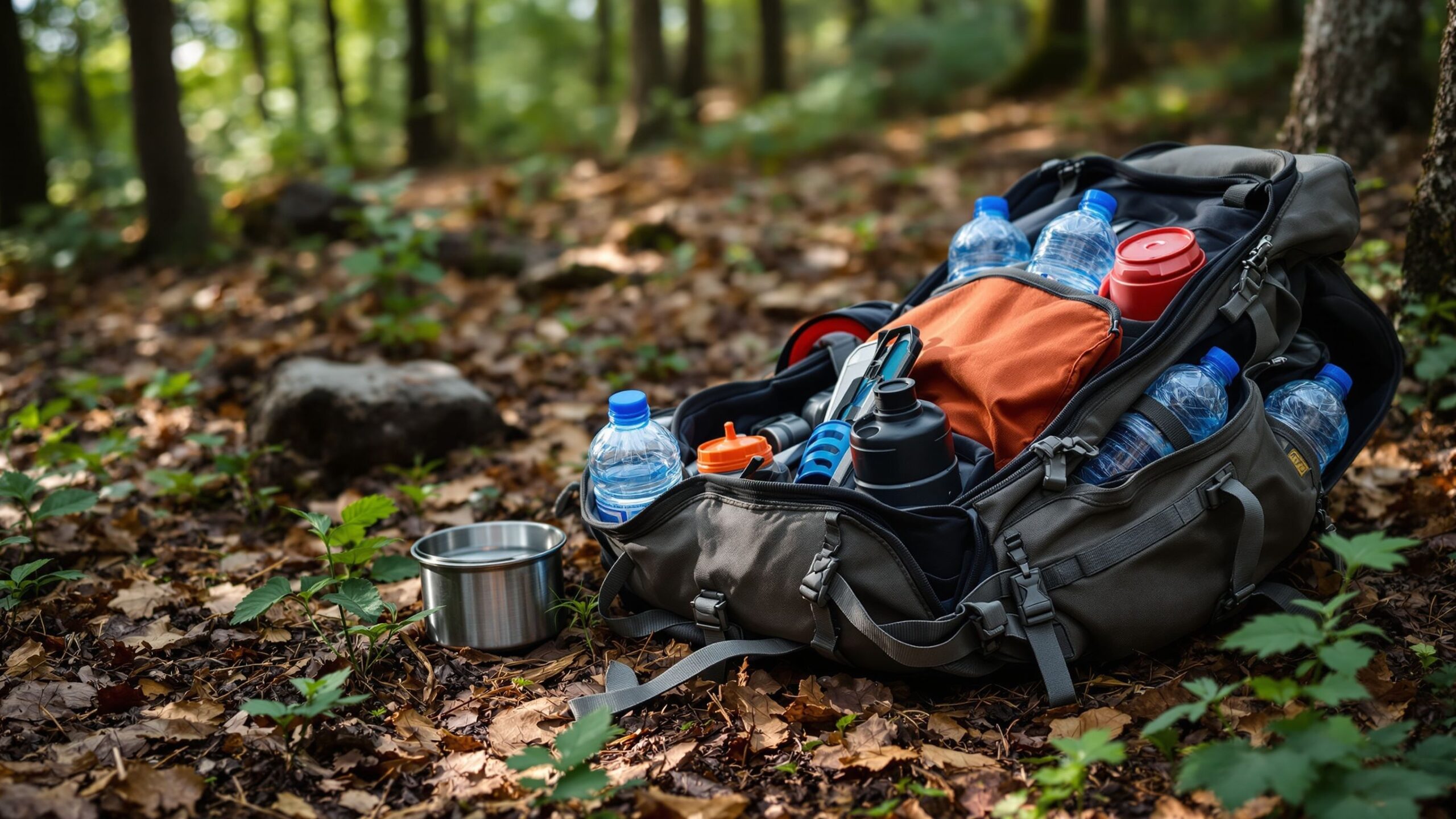
Hydration systems come in several forms. Traditional water bottles remain reliable and durable, while hydration reservoirs allow hikers to drink through tubes without stopping. Many adventurers carry both options to increase flexibility during long hikes.
Knowing where to find water along your route is equally important. Maps often indicate rivers, lakes, and springs that can be used for refilling supplies. However, always treat natural water sources before drinking.
Carrying enough water capacity ensures that you can travel between sources without risk. In dry environments or high temperatures, additional containers may be necessary to maintain safe hydration levels.
Safety Gear and Emergency Essentials
Even well-planned wilderness trips can encounter unexpected challenges. Weather changes, injuries, or navigation mistakes can turn small problems into serious situations. Packing essential safety gear provides critical protection when things do not go as planned.
First aid kits should include bandages, antiseptic wipes, blister treatments, pain relievers, and any necessary personal medications. Knowing basic first aid skills allows you to treat minor injuries before they worsen.
Lighting equipment is another essential component of wilderness safety. Headlamps provide hands-free illumination during nighttime activities, making them far more practical than handheld flashlights.
Emergency signaling tools such as whistles and mirrors allow you to attract attention if help is needed. Many adventurers also carry emergency blankets that retain body heat during unexpected cold conditions.
A multi-tool or compact knife adds versatility for equipment repairs, food preparation, and numerous campsite tasks.
Personal Items and Hygiene Supplies
Maintaining hygiene in the wilderness helps prevent illness and keeps your campsite comfortable. While space in a backpack is limited, a few essential personal items can make a significant difference.
Biodegradable soap allows you to clean dishes and wash hands without harming the environment. Hand sanitizer is another useful item for maintaining cleanliness during meals.
Toothbrushes, small toothpaste tubes, and quick-drying towels support basic hygiene routines. These items may seem minor, but they contribute to overall well-being during longer trips.
Waste management is also important. Packing out all trash ensures that natural environments remain pristine for future visitors. Many adventurers bring sealable bags specifically for storing waste until it can be properly disposed of.
Preparing Your Pack Before the Adventure
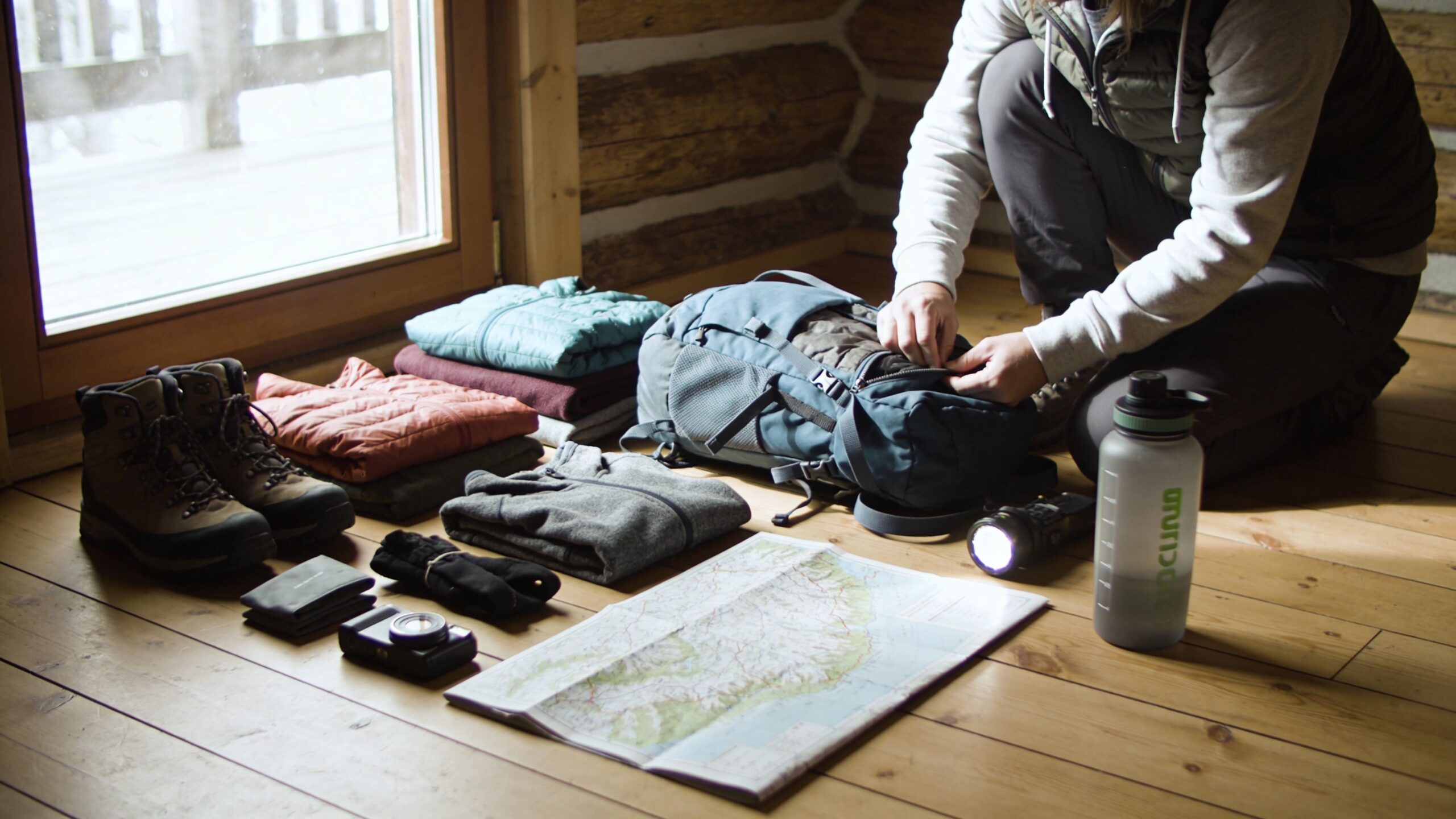
Packing your backpack effectively is just as important as selecting the right gear. Weight distribution plays a key role in comfort during long hikes.
Heavier items should sit close to your back and near the center of the pack. This positioning keeps your center of gravity stable while walking across uneven terrain. Lighter items can fill the outer compartments and top sections.
Frequently used items such as snacks, rain jackets, maps, and water should remain easily accessible. This organization prevents unnecessary unpacking during short stops along the trail.
Before departing, testing your packed backpack on a short hike allows you to identify potential adjustments. Straps, weight distribution, and gear placement can all be fine-tuned before the actual wilderness adventure begins.
Building Confidence for Your First Wilderness Experience
Packing the right gear is only part of preparing for a wilderness adventure. Confidence grows from understanding your equipment and practicing essential outdoor skills.
Setting up your tent at home, learning how to operate your stove, and reviewing navigation techniques all help reduce uncertainty once you reach the trailhead. These small preparations create a smoother and more enjoyable outdoor experience.
Wilderness adventures offer something truly unique. They provide space to reconnect with nature, challenge personal limits, and discover landscapes that remain untouched by modern life. With the right packing list and thoughtful preparation, your first journey into the wild can become the beginning of a lifelong passion for exploration.
When your backpack is carefully packed and your route is planned, the wilderness transforms from an intimidating unknown into an open invitation for discovery. Every trail, mountain pass, and quiet campsite becomes part of a story that begins with the simple decision to step outside and explore.