Forests are living, breathing worlds filled with shadows, sound, movement, and mystery. Their green canopies create sprawling ecosystems that both protect and challenge anyone who steps inside. Dense woodlands can feel peaceful during the day and intimidating by nightfall, but for those who understand how forests behave, they become some of the most rewarding and manageable environments for wilderness survival. Learning how to navigate these vast natural corridors, find shelter, build fire, gather water, and stay oriented transforms a beginner from a nervous explorer into a confident and capable adventurer. In forest survival, knowledge is your greatest tool, and awareness is your strongest ally.
A: Getting lost and getting wet/cold are the top risks. Limited visibility makes navigation tricky, and damp environments can quickly drain body heat.
A: Wear moisture-wicking base layers, quick-dry pants, and a waterproof shell. Avoid cotton, and add a warm mid-layer even if the forecast looks mild.
A: Always treat water by filtering, boiling, or using purification tablets. Clear water can still carry microorganisms that make you very sick.
A: Carry map and compass, check your position often, stay on established trails, and note landmarks instead of hiking long distances without reorienting.
A: Use an existing fire ring if possible, clear flammable material, keep the fire small, have water or soil ready, and fully extinguish it until the coals are cold.
A: Stay calm, give animals plenty of space, avoid running, and follow local guidelines for bears, large predators, or other species in your area.
A: Follow local regulations, camp on durable surfaces, avoid fragile areas and water edges, and choose spots free of dead branches overhead.
A: Start with at least 2–3 liters per person, plus a reliable treatment method so you can safely refill from natural sources.
A: Stop to set up a safe, dry spot while there’s still light, use your headlamp if needed, stay warm, and focus on signaling and conserving energy.
A: Start in familiar local woods, practice navigation, fire-making (where legal), and shelter-building on short trips before relying on those skills deep in remote areas.
Understanding Forest Terrain and Vegetation
Forests are layered environments filled with obstacles—from thick underbrush and tangled roots to fallen logs, moss-covered rocks, and muddy pockets that shift beneath your feet. Dense vegetation can hide hazards, such as unstable ground or sudden drops, and even experienced hikers sometimes become disoriented in repetitive landscapes where every tree seems identical. Learning to move slowly and deliberately is essential. Observing how the terrain flows, where sunlight filters in, and how plants grow gives clues about direction, slope, and moisture. Forests typically collect water in valleys and lower points, while ridgelines remain drier and more open. Understanding these patterns helps you gauge where you are and where you should travel next. Vegetation density also influences weather inside the forest, often creating cooler, shaded pathways during the day and colder, damp air at night. Recognizing these natural rhythms helps you make smarter decisions as you explore.
Staying Oriented in Dense Woodlands
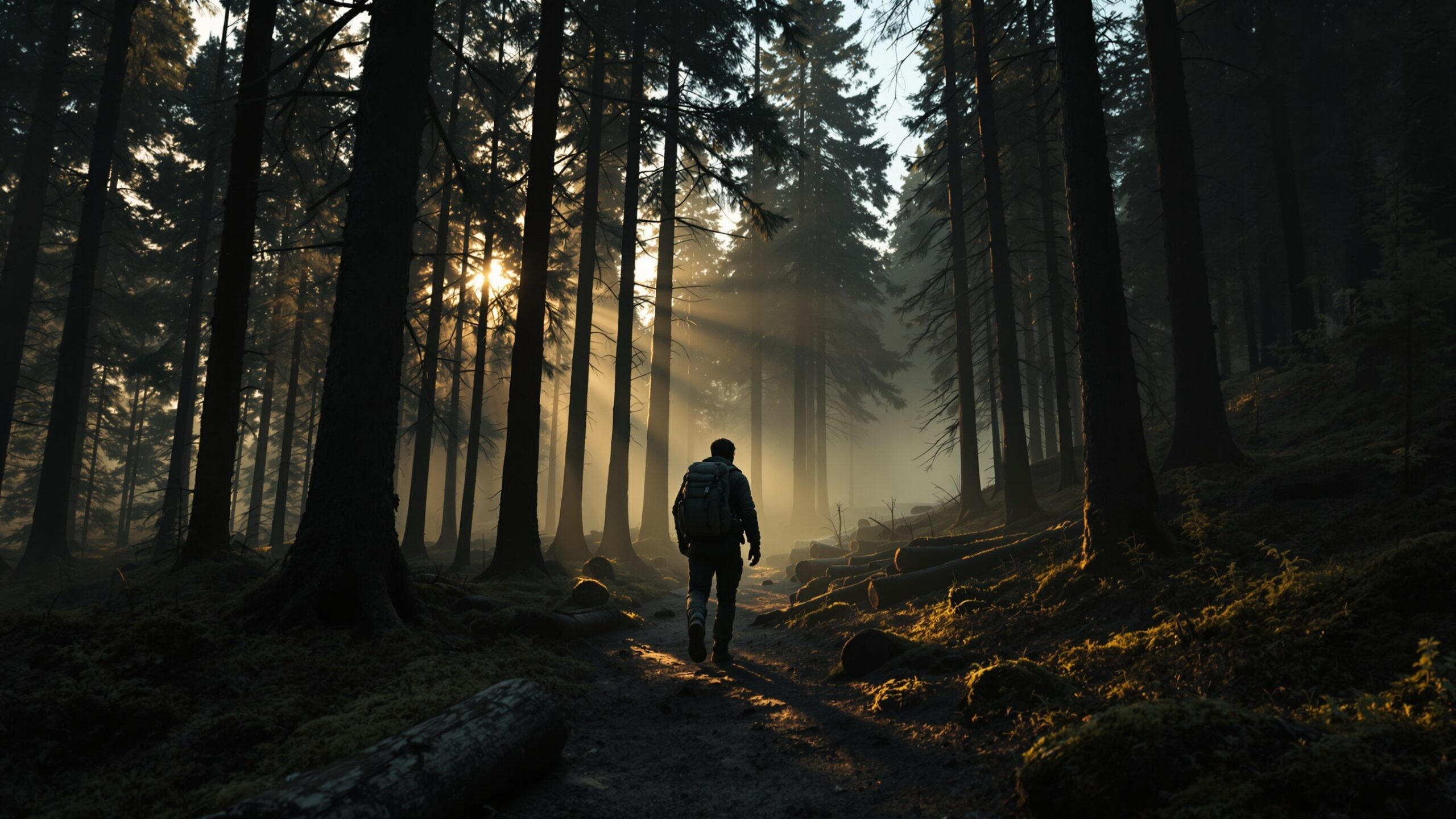
Navigation is one of the greatest challenges in forest environments. Tall trees block long-distance views, shadows distort direction, and trails can disappear unexpectedly beneath foliage. Beginners often rely on electronic devices, but forest terrain can weaken GPS signals and drain batteries quickly. A map and compass remain the gold standard for reliable navigation. Learning how to track your route by observing natural landmarks—such as unique tree shapes, exposed boulders, or river bends—keeps you oriented. Forest features follow logical patterns: streams flow downhill, moss often grows thicker on shaded sides of trees, and animal paths can hint at safer passages. However, these clues should support but not replace proper navigation techniques. Checking your position regularly, marking your route with small indicators, and avoiding overconfidence greatly reduce your chances of becoming lost. Staying calm and methodical is key when moving through dense woodlands where visibility is limited.
Forest Shelter: Building Protection in Damp and Shaded Environments
Forests offer abundant natural materials for shelter building, but they also trap moisture, making it crucial to choose your location wisely. Beginners should avoid low-lying areas where cold air and water pool overnight. Instead, slight elevations or forest edges provide drier and safer ground. Lean-tos and debris huts are excellent beginner shelters since forests supply plenty of branches, leaves, and bark that can be woven into insulated structures. A sturdy ridgepole supported by two trees can serve as the foundation, layered with branches and topped with thick vegetation to block wind and rain. Forest floors are rich with leaf litter that can be used as bedding to create insulation between your body and the cold earth. A proper shelter not only protects you from the elements but also helps retain warmth, preserve energy, and create a psychological sense of safety when surrounded by darkness and shifting forest sounds.
Fire Craft in Moist Woodland Settings
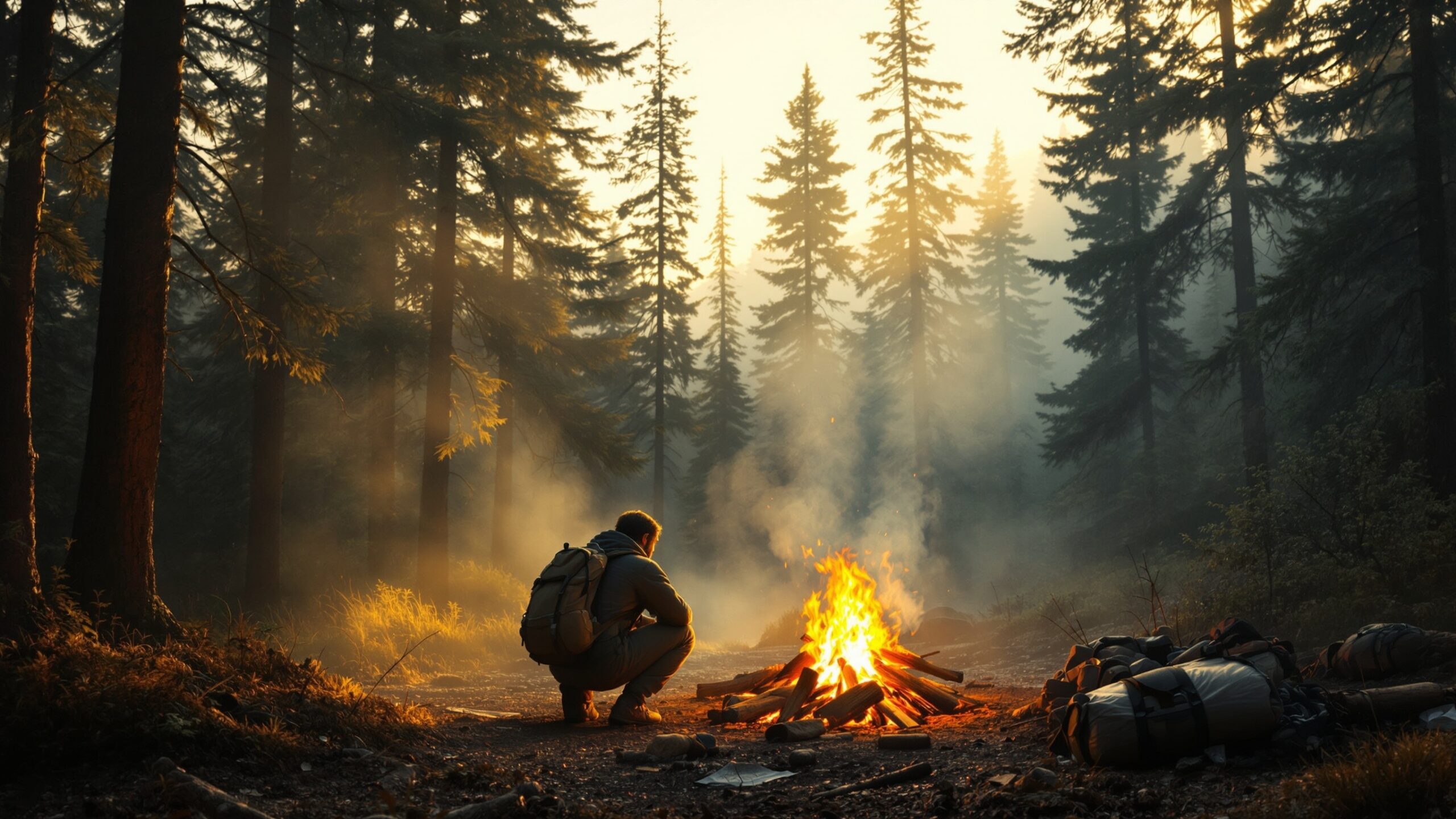
Building a fire in the forest presents unique challenges because moisture is everywhere—from dew-soaked leaves to rain-darkened logs and hidden pockets of dampness beneath the soil’s surface. Successful fire craft begins with gathering the right materials. Dead, dry wood can often be found under fallen branches, inside tree hollows, or beneath dense evergreen limbs that shield inner layers from rain. Tinder sources like dry bark, pine needles, birch bark, and inner wood shavings catch flame quickly even in damp conditions. Creating a raised fire bed with sticks prevents moisture from wicking into your flame. Forming windbreaks with rocks or logs helps your fire breathe without being smothered. Once your fire structure is stable, igniting it with a ferro rod, lighter, or waterproof matches becomes much easier. In the forest, fire is more than warmth—it is light in the darkness, a cooking tool, a purifier for water, and a powerful psychological comfort.
Water Sourcing and Purification in Woodlands
Forests often hide precious water sources beneath thick vegetation. Streams, ponds, springs, and runoff channels can appear suddenly as you travel through the terrain. Beginners must learn to listen for the sound of flowing water and look for signs such as animal tracks, lush greenery, or depressions in the landscape. However, even in a forest rich with water, purification remains essential. Microorganisms, parasites, and debris thrive in these environments, especially in slow-moving or stagnant pools. Boiling remains the most effective purification method, but portable filters or purification tablets serve as excellent back-up solutions. Hydration is vital for maintaining energy and mental clarity. Forest travel often involves repeated elevation changes, pushing your body harder than expected. Proper water management keeps you alert and capable as you navigate the woodland maze.
Weather Awareness Beneath the Canopy
Forest canopies act as natural shelters, blocking sunlight and reducing direct wind exposure, but they also create shadows and temperature shifts that can deceive beginners. Daylight filters differently, making evening appear to fall sooner. During storms, tree cover offers some protection from rain but increases the risk of falling branches or lightning strikes. Observing the sky through breaks in the canopy helps you track weather patterns, while feeling temperature changes helps you anticipate storms or cold fronts. Forest humidity can intensify the chill, especially in early morning or late evening. Wearing layers that manage moisture—synthetic or wool fabrics rather than cotton—helps regulate your temperature and prevents hypothermia. Remaining weather-aware is essential when the forest hides clues behind its dense leafy ceiling.
Wildlife Awareness in Woodlands
Forests are home to a variety of wildlife, from deer and birds to bears, foxes, and smaller mammals. While most animals avoid humans, beginners must understand how to coexist safely. Proper food storage, usually by suspending bags from branches or using bear-resistant containers, keeps scents from attracting curious creatures. Avoid leaving food scraps behind; clean campsites reduce unwanted visitors. If you encounter wildlife, remaining calm and giving animals space prevents conflict. Making noise while hiking through dense areas alerts animals to your presence, reducing surprise encounters. Insect life is also active in forests. Mosquitoes, ticks, and biting flies thrive in damp conditions, making insect repellent and proper clothing essential for comfort and safety.
Forest First-Aid and Emergency Awareness
Minor injuries can escalate quickly in a forest environment if not handled properly. Cuts, scrapes, and bruises are common due to brush, thorns, and rocky terrain. Carrying a compact first-aid kit ensures you can clean wounds, apply bandages, and manage pain or swelling before it worsens. Understanding how to identify allergic reactions, treat insect bites, and recognize symptoms of dehydration or hypothermia prepares you for unexpected situations. In dense forests, staying calm during emergencies is critical. Visibility is limited, so signaling for help requires sound and light. Whistles, reflective materials, and controlled fires help rescuers locate your position. Remaining in one place after signaling makes it easier for others to reach you.
Essential Gear for Forest Survival
Even though forests provide many natural resources, essential gear dramatically increases your chances of safe survival. A sharp knife, fire starter, compass, map, emergency blanket, waterproof clothing, headlamp, and first-aid kit form the core of any forest survival pack. Beginners should also carry rope or cordage, insect repellent, and a lightweight tarp for quick shelter construction. Gear not only enhances your safety but also your confidence, allowing you to respond effectively to sudden changes in conditions or unexpected challenges.
Movement and Awareness: Staying Safe While Traveling
Traveling through a forest is different from walking open terrain. Roots tangle across paths, branches hang low, uneven ground shifts beneath boots, and fallen logs create obstacles. Moving too quickly increases the risk of slips or twisted ankles. Balanced, steady walking preserves energy and reduces strain. Beginners should maintain constant awareness of their surroundings, listening for unusual sounds and watching for signs of water, wildlife, or changes in terrain. Forests reward attentiveness. The more you observe, the safer and more connected you become.
Thriving in the Heart of the Forest
Forests are enchanting worlds filled with life, challenge, and profound beauty. Their shadows can intimidate beginners, but their resources and rhythms become familiar with practice and awareness. Mastering forest survival basics—navigation, shelter building, fire craft, water purification, wildlife coexistence, weather awareness, and steady movement—transforms dense woodlands from a maze of uncertainty into a place of confidence and discovery. When you understand how forests breathe, shift, and flow, you no longer fear their depth. Instead, you move through them with respect, skill, and an adventurous spirit ready to explore every hidden corner beneath the canopy.