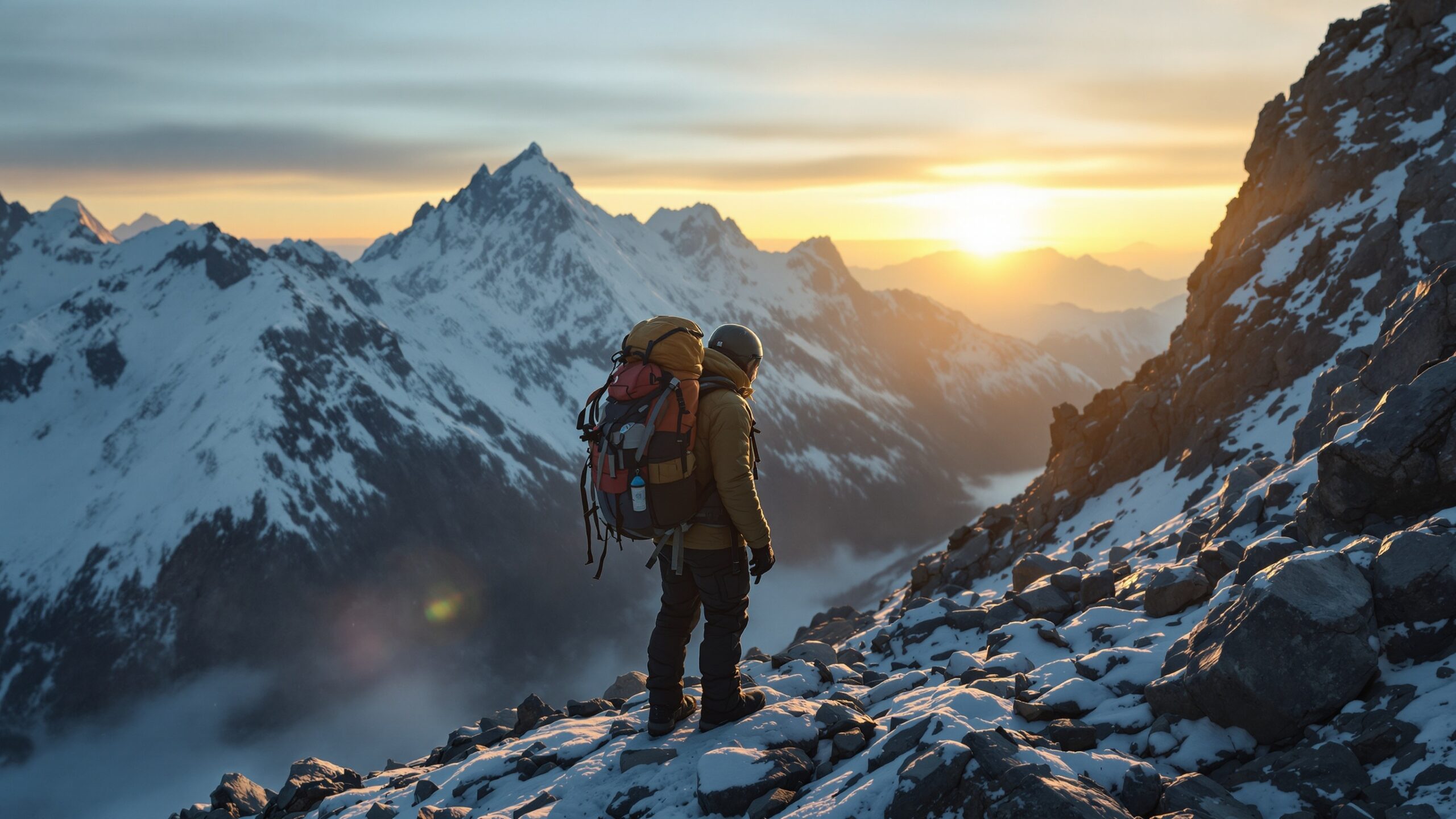
Mountain environments deliver some of the most breathtaking views in the world, but they also present some of the most challenging and unforgiving conditions an adventurer can face. Steep terrain, rapid weather changes, altitude sickness, unstable footing, and isolation all combine to create a survival scenario where your skills and preparation matter just as much as your courage. For new explorers, mastering the fundamentals of mountain survival is not optional—it is the foundation that keeps you safe, aware, and confident no matter how rugged the climb becomes. Understanding how the mountains behave allows you to navigate them with skill rather than fear. This guide breaks down the essential abilities every mountain adventurer must develop before stepping onto high-altitude ground.
A: Watch for headache, nausea, dizziness, unusual fatigue, or trouble sleeping. If symptoms worsen as you climb, descend, rest, and hydrate rather than pushing higher.
A: Use a moisture-wicking base layer, an insulating mid-layer, and a wind/water-resistant shell. Add or remove layers frequently to avoid sweating or chilling.
A: A common starting point is about 2–3 liters, more in heat or on long climbs, plus a reliable way to treat water you find on the route.
A: It’s better to learn with experienced partners. If you do go solo, pick popular, well-marked routes, share your plan, and make conservative decisions.
A: Move quickly but carefully to lower ground away from isolated high points, lone trees, and metal objects. Avoid ridge crests, open summits, and shallow caves.
A: Focus on smart layering, a warm hat and gloves, staying dry, and using your shelter and sleeping system effectively when stopped.
A: Include blister care, bandages, antiseptic wipes, pain relief, personal meds, and a way to manage minor sprains or strains.
A: Study your route beforehand, carry map and compass, note major landmarks as you go, and double-check junctions instead of hiking past them uncertainly.
A: Use your headlamp, find a safe, sheltered spot off the main tread, stay warm, signal if needed, and avoid risky shortcuts or scrambling in the dark.
A: Start on shorter, local peaks, practice navigation and layering, test your gear, and build up to longer, more remote objectives as your skills grow.
Understanding Mountain Terrain and How It Moves
Mountains are constantly shifting environments. Trails erode, rocks loosen, slopes change, and ridgelines catch wind in unpredictable ways. New adventurers often assume a trail will remain firm beneath their steps, but mountain terrain has its own set of rules. Loose scree behaves almost like sand under pressure, causing beginners to slip or fall if they lean too far downhill. Larger boulders may appear stable but can shift unexpectedly, especially after snowmelt or rain. Even grassy slopes can be slippery when morning dew thickens the surface. Learning to read terrain is one of the most crucial skills for safe travel. Beginners must learn how to plant their feet firmly, distribute weight evenly, and test loose rocks before committing. Moving slowly and deliberately not only prevents injury but also helps conserve energy. The mountain rewards patience, not speed, and understanding how terrain behaves gives you a grounded sense of awareness that becomes invaluable as elevation increases.
Weather Awareness: Reading the Sky Before It Turns
Mountain weather is notorious for shifting with little warning. What begins as a sunny morning can become a storm-filled afternoon of lightning, wind, and temperature drops. These sudden changes are one of the most dangerous aspects of mountain travel, especially for beginners who rely on predictable conditions. Survival depends on learning to read the sky and anticipating weather patterns before they arrive. High, thin clouds often signal approaching storms, while strong midday winds can indicate unstable pressure. Dark, low-hanging clouds forming around peaks suggest incoming precipitation or snow. Temperature changes, even minor ones, can mean a cold front is moving in. Beginners must remain alert and flexible, willing to turn back if weather transforms rapidly. Proper gear, such as waterproof layers, insulated clothing, and wind-resistant materials, ensures that even if conditions worsen, you remain dry and protected. Mastering mountain weather awareness allows you to stay ahead of storms rather than be caught in them.
Altitude Safety: Understanding High-Elevation Risks
As elevation rises, oxygen levels decline. This shift affects the body in subtle but powerful ways. Beginners often underestimate altitude’s ability to slow movement, increase fatigue, cause headaches, and impair judgment. Altitude sickness can strike unexpectedly, turning a simple hike into a dangerous situation. Recognizing symptoms early—dizziness, nausea, headaches, loss of appetite, or difficulty concentrating—allows you to respond before conditions worsen. Advancing slowly, hydrating consistently, and taking breaks during the ascent help your body adjust. If symptoms intensify, descending to a lower elevation becomes the first and most important step in recovery. High altitudes also amplify weather extremes, making cold temperatures feel even colder and sun exposure even more intense. Understanding altitude doesn’t just prepare you physically; it sharpens your awareness and ensures you remain in control throughout your climb.
Mastering Mountain Navigation: Staying Oriented in Complex Terrain
Navigation becomes significantly more difficult in mountainous environments, where ridges, valleys, and shifting light can distort direction. Relying solely on digital tools is a common beginner mistake because batteries drain faster in cold temperatures and GPS signals fluctuate between steep cliff faces. Map-and-compass navigation is essential for every mountain adventurer. Learning how to read contour lines helps you visualize elevation changes, identify steep areas to avoid, and understand how the land flows. Recognizing features like saddles, ridgelines, and basins makes the terrain more predictable. Regularly checking your position prevents disorientation and ensures you know where you came from and where you’re headed. Staying on established trails, observing landmarks, and moving at a steady pace all strengthen your navigation skills. As you become more comfortable reading the mountain, its patterns become clearer, turning overwhelming terrain into an understandable map under your feet.
Building Shelter in the Mountains: Staying Protected From Cold and Wind
Shelter is essential in mountain survival because elevation magnifies exposure. Wind speeds intensify, temperatures drop faster, and storms move with remarkable speed. A strong shelter protects you from the most extreme mountain elements. Beginners must understand how to choose a safe and stable shelter location. Staying away from avalanche paths, unstable slopes, cliff edges, and areas beneath loose rock is critical. Natural formations like rock overhangs or clustered trees offer protection from wind, but artificial shelters such as tents or emergency bivy sacks must be secured tightly. Cold air sinks to low ground at night, so setting up slightly above valley floors keeps you warmer. Understanding how to use your gear—tent stakes, guylines, and ground pads—gives you the stability needed to withstand high winds. Simplicity is key; your shelter should be strong, low-profile, and insulated against the cold earth below.
Fire Craft at High Altitude
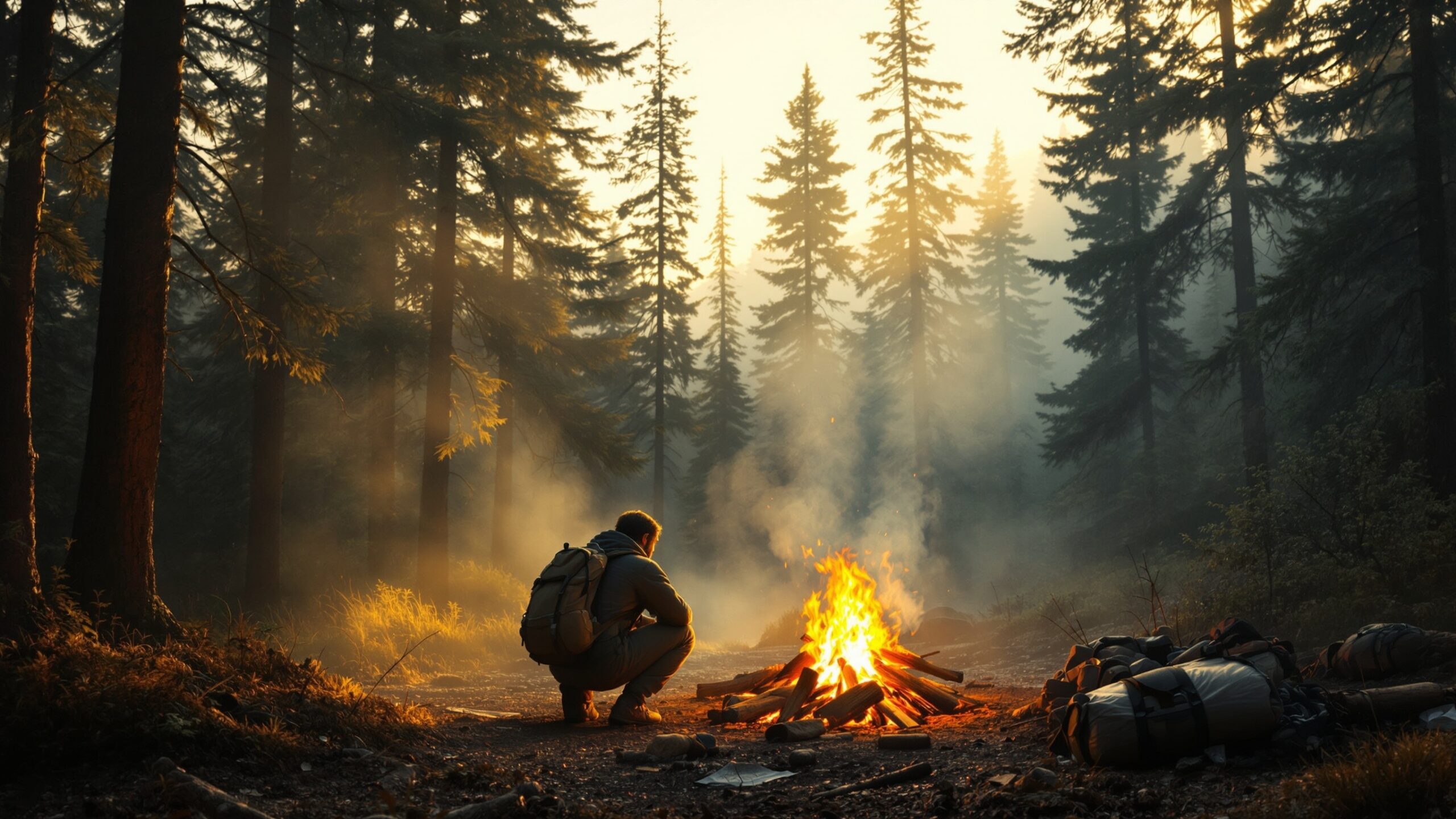
Fire-building becomes more challenging in the mountains due to lower oxygen levels, colder air, and damp conditions. Beginners often struggle to ignite damp wood or maintain a flame when strong gusts disrupt airflow. Learning how to gather proper materials and construct a fire that withstands mountain conditions is a vital skill. Dry twigs from sheltered areas, dead branches beneath dense trees, and inner bark serve as excellent fire starters. Creating windbreaks with rocks or digging a shallow pit protects the flame and encourages stability. Understanding how much fuel is needed before ignition helps maintain steady heat. Fire not only provides warmth in freezing temperatures but also offers a morale boost, a cooking method, and a purification tool. Practice makes all the difference; mastering fire craft transforms a survival challenge into a reliable resource.
Hydration and Water Purification: Finding Liquid Life at Elevation
Mountains offer an abundance of water sources—snow melt, streams, alpine lakes—but they also contain risks. Clear, cold water doesn’t guarantee purity. Microorganisms and runoff can contaminate even pristine sources. Beginners should always purify water through boiling, filtering, or using purification tablets. Hydration becomes even more crucial at high altitudes because the body loses moisture rapidly through breathing and exertion. Snow can be melted for water, but it must be warmed slowly to avoid burning fuel excessively or lowering your core temperature through cold ingestion. Carrying a lightweight filtration system gives you rapid access to safe hydration without adding unnecessary weight. Knowing where to find water and how to treat it ensures longevity, energy, and alertness during mountain travel.
Movement Skills: Climbing, Descending, and Staying Balanced
Mountain movement is an art of balance, strength, and awareness. Ascending requires slow, steady breathing, deliberate steps, and pacing that prevents exhaustion. Descending, however, is where most accidents occur. Gravity accelerates momentum, and beginners often rely too heavily on knees or lean downhill too aggressively. Learning to descend with short steps, bent knees, and controlled posture protects your joints and reduces slipping. Crossing snowfields, climbing over rocks, or navigating steep inclines demands precise foot placement. Using trekking poles provides balance and distributes weight, easing strain on your legs. Smart movement skills reduce the risk of injury and increase endurance, making your climb more efficient and enjoyable.
Avalanche Awareness: Recognizing Hidden Snow Hazards
For adventurers entering snowy mountain regions, avalanche knowledge is essential. Avalanches can occur during or after storms, during temperature fluctuations, or when snowpack weakens unexpectedly. Beginners should understand basic avalanche signals: cracking snow, hollow sounds, rapidly warming temperatures, and visible slides on nearby slopes. Carrying avalanche safety gear—beacon, probe, and shovel—is mandatory in certain conditions. Even if you’re not venturing into deep snow, understanding avalanche behavior keeps you aware of seasonal dangers. The mountains are powerful and unpredictable, but knowledge gives you the ability to avoid dangerous situations before they develop.
Wildlife Awareness at High Elevations
Mountain ecosystems house remarkable wildlife, such as mountain goats, bears, elk, and smaller mammals adapted to altitude. While these animals usually avoid humans, beginners should practice safe distancing, proper food storage, and campsite cleanliness. Learning how to react calmly to wildlife encounters prevents escalation. Making noise while moving through dense areas helps animals detect your presence early, reducing the likelihood of surprise encounters. Respecting mountain wildlife ensures the safety of both you and the creatures who call these elevations home.
Essential Gear for Mountain Survival
Proper gear forms the backbone of mountain survival. Insulated layers, waterproof shells, sturdy boots, gloves, hats, fire-starting equipment, navigation tools, and a quality backpack all contribute to your readiness. The lightweight gear revolution has made mountain travel more accessible, but beginners must understand how to pack strategically. Every item should serve a purpose. Redundancy in fire-starting and navigation tools ensures reliability. Emergency blankets, headlamps, compact stoves, and first-aid kits provide security when conditions shift suddenly. Gear becomes your safety net, allowing you to handle unexpected challenges with confidence.
Emergency Preparedness: When Things Go Wrong
Even the best-prepared adventurer can encounter emergencies. Slips, weather shifts, equipment failure, or disorientation can create stressful situations. Beginners should learn how to signal for help, build emergency shelters quickly, use first-aid procedures, and stay put when lost. Three whistle blasts remain the universal distress signal, while brightly colored gear or reflective materials catch the attention of rescuers. Staying calm is the foundation of all emergency response. Panic clouds judgment, while steady thinking creates solutions. Every challenge becomes manageable when approached with clarity, patience, and the survival skills you’ve trained for.
Conquering the Mountains With Skill and Confidence
Mountains are awe-inspiring places that reward preparation, focus, and respect. For adventurers, they offer incredible challenges that build strength, resilience, and connection with nature. Mastering mountain survival skills transforms these environments from intimidating landscapes into thrilling playgrounds of exploration. From reading terrain and weather to understanding altitude, navigation, shelter building, and emergency response, you gain the tools needed to move confidently across rugged peaks. With the right skillset and preparation, every summit becomes more than a destination—it becomes a testament to your determination, knowledge, and growth as an adventurer.