Wilderness survival begins long before you ever set foot on a trail. It starts in your mindset, your preparation, your gear choices, and your understanding of nature’s rules. For a beginner, the idea of surviving in the wild can feel thrilling and intimidating at the same time. But with the right foundation, clear strategies, and a calm approach, even the most inexperienced adventurer can learn to navigate the challenges of remote terrain and unpredictable environments. This guide breaks down every essential concept you need to know, transforming survival from a fear-filled unknown into an empowering skillset that opens the door to adventure, confidence, and self-discovery.
A: Start with 2–5 miles on well-marked trails, then gradually add distance and elevation as your fitness and confidence grow.
A: Navigation and a way to signal for help (map/compass, charged phone, whistle) are critical, but think in terms of systems, not one magic item.
A: A common starting point is about half a liter per hour of moderate hiking, more in heat—plus a treatment method to refill from natural sources.
A: Going with a more experienced partner is best at first; if solo, pick popular trails, share your plan, and build skills gradually.
A: Stay calm, give it space, avoid running, and follow local guidance for that species (bear, cougar, snake, etc.). Observe from a safe distance.
A: Check the forecast, plan for one step worse than predicted, and use a layer system so you can adjust throughout the day.
A: Yes—a compact kit with bandages, blister care, pain relief, and any personal meds can turn a small problem from trip-ending to trivial.
A: Try backyard or local park “mini-missions”—setting up tarp shelter, starting a controlled fire where legal, or navigating a loop by map.
A: Study the map before you go, track landmarks as you hike, stay on signed trails, and regularly confirm your location instead of waiting until you’re unsure.
A: Pack out all trash, stay on trails, disperse camp impacts, respect wildlife, and keep human waste 200 feet from water, trails, and camp.
The Survival Mindset: Your Most Important Tool
Every piece of gear in your backpack is useless without a strong mental strategy behind it. The wilderness rewards calm thinking, adaptability, and awareness. Beginners often believe that danger comes from dramatic threats like predators or extreme weather, but the most common survival challenges stem from poor decision-making, rushing, or panicking. Developing a survival mindset means slowing down and observing your surroundings, making logical choices, and focusing on what you can control. Survival legends often repeat the same phrase: “Stop, think, observe, plan.” This simple sequence helps beginners stabilize their thoughts, evaluate the situation clearly, and act with intention rather than fear. A strong mindset influences every area of wilderness survival, from navigation to shelter building to managing emergencies.
Knowing Your Environment Before You Arrive
Survival is easier when you understand the terrain you’ll be entering. Beginners often pack blindly, assuming one-size-fits-all preparation works for any outdoor experience. Yet a dense forest demands different skills than a desert plateau, and a mountainous region requires different planning than a riverside canyon. Researching your destination helps you predict challenges like temperature swings, water availability, wildlife presence, and visibility. Studying maps, reading trail reports, and checking weather conditions give you a strategic advantage that prevents unexpected and avoidable emergency situations. Before stepping outside, you should know what climate to expect, what natural resources are abundant or scarce, and what hazards exist. With this knowledge, a new adventurer enters the wilderness feeling ready rather than overwhelmed.
Shelter Building Basics: Protecting Yourself From the Elements
Shelter is one of the core pillars of wilderness survival because exposure to cold, heat, wind, or rain can harm a beginner faster than almost anything else. Learning how to build a basic refuge is an essential skill every adventurer should master before their first major trip. Natural materials like branches, leaves, pine needles, and bark provide insulation and structure when used correctly. A simple A-frame shelter or lean-to can be constructed using a ridgepole and angled supports, then layered with thick vegetation for weather protection. Location also matters. You should build on high ground away from valley bottoms where cold air settles, and avoid areas near dead trees or unstable rocks. The goal isn’t to create a wilderness palace but to build a compact, insulated space capable of shielding you from wind, precipitation, and nighttime temperatures. Even beginners can quickly learn how to turn the natural environment into a temporary home with just a little practice and awareness.
Fire Craft: Your Source of Warmth, Safety, and Morale
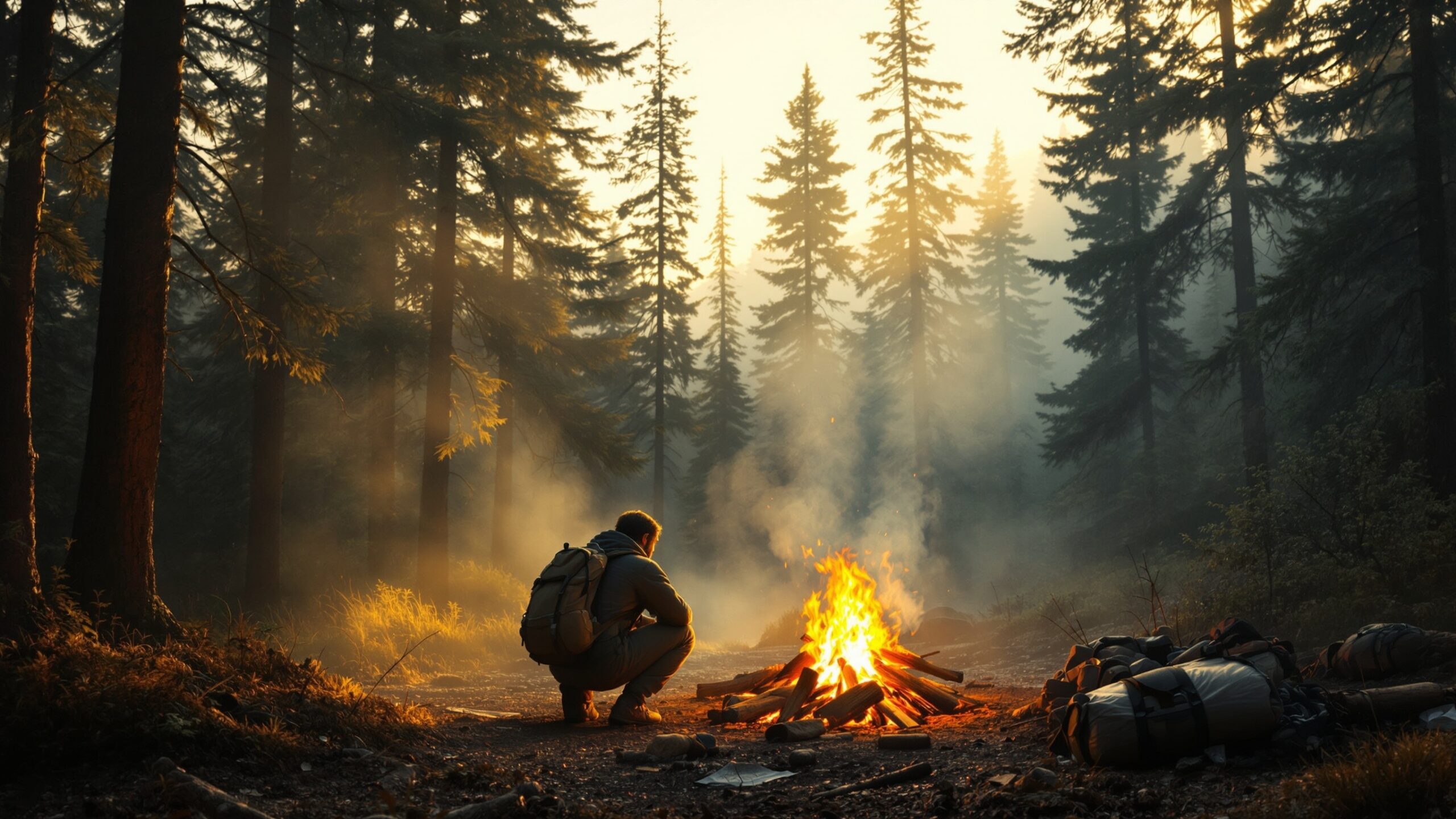
Fire is one of the most empowering skills in wilderness survival, offering warmth, light, a way to cook food, a means to purify water, and a psychological boost during stressful moments. For beginners, building fire often feels challenging, but understanding fundamental fire structure makes the process much easier. The best fires rely on three things: fuel, oxygen, and heat. If one is missing, the fire struggles. Beginners should practice gathering three types of materials—tinder, kindling, and fuel wood—before attempting to spark the flame. The tinder should be extremely dry and fluffy, kindling should be pencil-sized twigs, and fuel wood should be sturdy branches. Forming a teepee, log cabin, or lean-to configuration helps air circulate properly. Fire-starting tools like ferro rods, waterproof matches, or magnesium strikers also give beginners extra support in damp or windy situations. Once mastered, building fire becomes one of the most rewarding parts of wilderness survival.
Water Sourcing and Purification: Staying Hydrated Safely
Water is a survival necessity, yet finding and preparing it correctly is vital. Many beginners assume that a clear mountain stream automatically means safe drinking water, but microorganisms, parasites, and runoff can contaminate even the most pristine wilderness sources. Understanding how to locate and purify water reduces risk and ensures steady hydration. Natural collection points like rivers, lakes, snow melt, and groundwater seeps are ideal, but avoid stagnant areas where bacteria thrive. After collecting water, purification becomes the next essential step. Boiling is the simplest and most reliable method, though portable filters and purification tablets also work well for new adventurers. Staying hydrated supports your muscles, focus, and energy, turning a potentially dangerous scenario into a manageable one. Learning to identify water sources and purify them correctly ensures you remain strong, alert, and ready to navigate whatever challenges the wilderness presents.
Navigation Skills: Finding Your Way Without Getting Lost
Getting lost is one of the most common beginner mistakes, and it often happens due to overconfidence or inattention. Navigation skills are crucial to wilderness survival. A physical map and compass are far more reliable than digital tools, which can fail due to battery loss or limited signal. Learning how to read topographic lines, identify landmarks, and determine your direction without electronics can be life-saving. Understanding how to use the sun’s position, star patterns, or natural landscape clues gives beginners multiple ways to orient themselves. Staying on established trails, observing your surroundings regularly, and making note of unique features like rock formations or river bends help prevent disorientation. With basic navigation skills, a beginner transforms potentially confusing terrain into a readable and understandable environment.
Food in the Wilderness: What to Eat and What to Avoid
While shelter, water, and fire are immediate survival priorities, food also plays a major role in maintaining long-term energy and morale. However, beginners should never take unnecessary risks when sourcing wild food. Only forage or eat foods that you are certain are safe. Many plants, berries, and mushrooms have toxic lookalikes, making identification difficult for newcomers. It is far safer to rely on pre-packed meals, nuts, dried fruits, or other high-calorie foods in your backpack than attempt experimental foraging. That said, understanding very basic food principles is helpful. Edible insects like crickets or grasshoppers provide protein and are easy to identify, while fish can be caught in rivers and lakes if you have line or improvisational tools. Until you become more experienced, keep nutrition simple, safe, and predictable. Survival is about preserving your health, not gambling with unknown plants.
Weather Awareness: Reading the Sky and Responding Calmly
Weather can shift quickly in the wilderness, and beginners often underestimate how rapidly conditions can change. Learning to read environmental signs helps you stay ahead of storms or temperature drops. Darkening clouds, sudden winds, pressure changes, and distant thunder all signal approaching weather systems. Preparing early—securing your shelter, reinforcing firewood, packing gear into waterproof layers—reduces risk and protects your resources. Temperature swings can be dangerous, especially in mountainous or desert environments where the sun can be intense but nights turn extremely cold. Wearing layered clothing, keeping fabrics dry, and staying shielded from wind allow you to adapt to fluctuating conditions. A beginner who remains weather-aware is always better prepared, safer, and less likely to be surprised by natural shifts.
Wilderness First-Aid: Handling Emergencies With Confidence
Accidents happen even to experienced adventurers. Cuts, sprains, dehydration, burns, and insect bites are some of the most common wilderness injuries. But beginners can manage these effectively with basic first-aid knowledge and a simple kit. Understanding how to clean wounds, wrap sprains, and identify symptoms of infection or exhaustion prepares you for unexpected moments. Staying calm is essential during emergencies. Overreacting or ignoring symptoms can escalate the situation. A beginner should learn the signs of heatstroke, hypothermia, allergic reactions, and dehydration, since these conditions can progress quickly if left untreated. Carrying a compact but complete first-aid kit ensures you have bandages, disinfectants, pain relievers, and tools needed to stabilize minor injuries. Wilderness first-aid empowers beginners to face accidents with clarity rather than fear.
Wildlife Awareness: Coexisting Safely With Nature
Animals are an exciting part of the wilderness experience, but understanding how to behave around them is essential for safety. Most wildlife wants nothing to do with humans, but beginners may unknowingly attract animals by leaving food out, handling situations poorly, or approaching too closely. Respecting distance, storing food securely, and keeping campsites clean prevent unwanted encounters. Learning how to respond to animals like bears, coyotes, or snakes is vital. Loud noises often deter animals, while calm behavior prevents escalation. Beginners should never run, corner wildlife, or attempt to feed them. The more you understand natural animal behavior, the more confidently and safely you can enjoy the wilderness.
Essential Survival Gear: What Every Beginner Must Carry
Even though mindset and skill matter more than gear, the right equipment provides beginners with an important safety net. A survival pack should include tools that help you stay warm, hydrated, oriented, and protected. Fire starters, a sturdy knife, an emergency blanket, a portable water filter, a whistle, a compass, and a first-aid kit form the foundation of a proper beginner’s kit. High-quality clothing, waterproof layers, and a reliable backpack also contribute to survival readiness. Gear not only enhances your ability to handle challenges but also reduces stress by offering familiar tools in unfamiliar environments. Learning how to use your equipment before entering the wild ensures you are confident and prepared when circumstances shift.
Staying Found: Communicating and Signaling for Help
If an emergency occurs, knowing how to signal for help significantly improves your chances of rescue. Beginners should understand how to use whistles, mirrors, bright clothing, or controlled fires to create noticeable signs. Three blasts on a whistle traditionally signal distress, while reflective surfaces can flash sunlight over long distances. Staying in one place after calling for help makes it easier for rescuers to locate you. Bright markers, arranged stones, or large shapes in open areas communicate your presence from above. Practicing these techniques ensures that if the unexpected happens, you remain visible and reachable.
Decision-Making in Survival Scenarios
Good survival decisions often follow a simple principle: do not make the situation worse. Beginners tend to react emotionally—wandering aimlessly, attempting unnecessary risky moves, or exhausting their energy. Effective decision-making comes from patience and logic. Always evaluate your shelter, water, fire, and navigation needs before acting. Conserve energy, avoid overexertion, and prioritize solutions gradually. When unsure, staying put is often wiser than attempting to hike blindly. Survival hinges on clear thinking supported by basic knowledge. With practice, beginners can learn to trust their instincts without becoming impulsive.
The Power of Practice: Preparing Before You Go
Survival skills grow stronger with repetition. Before embarking on your first major adventure, practice setting up camp, purifying water, using your compass, and building fire in safe, controlled environments. Familiarity breeds confidence, transforming what once felt intimidating into manageable tasks. Practicing gear use, packing strategies, and emergency procedures ensures your first wilderness trip feels exciting rather than overwhelming. The more you rehearse your techniques, the more instinctive they become in real situations.
Step Into the Wild With Confidence
The wilderness is one of the most extraordinary places you can explore, offering beauty, challenge, and personal growth. For a beginner, survival may seem daunting, but with the right foundation, it becomes an empowering and rewarding journey. Understanding shelter, fire, water, navigation, weather, first-aid, wildlife, and essential gear gives you all the tools needed to face nature with confidence. Your adventure starts with awareness, preparation, and respect for the environment. With these principles guiding you, every step you take into the wild becomes a step toward strength, knowledge, and unforgettable experiences.