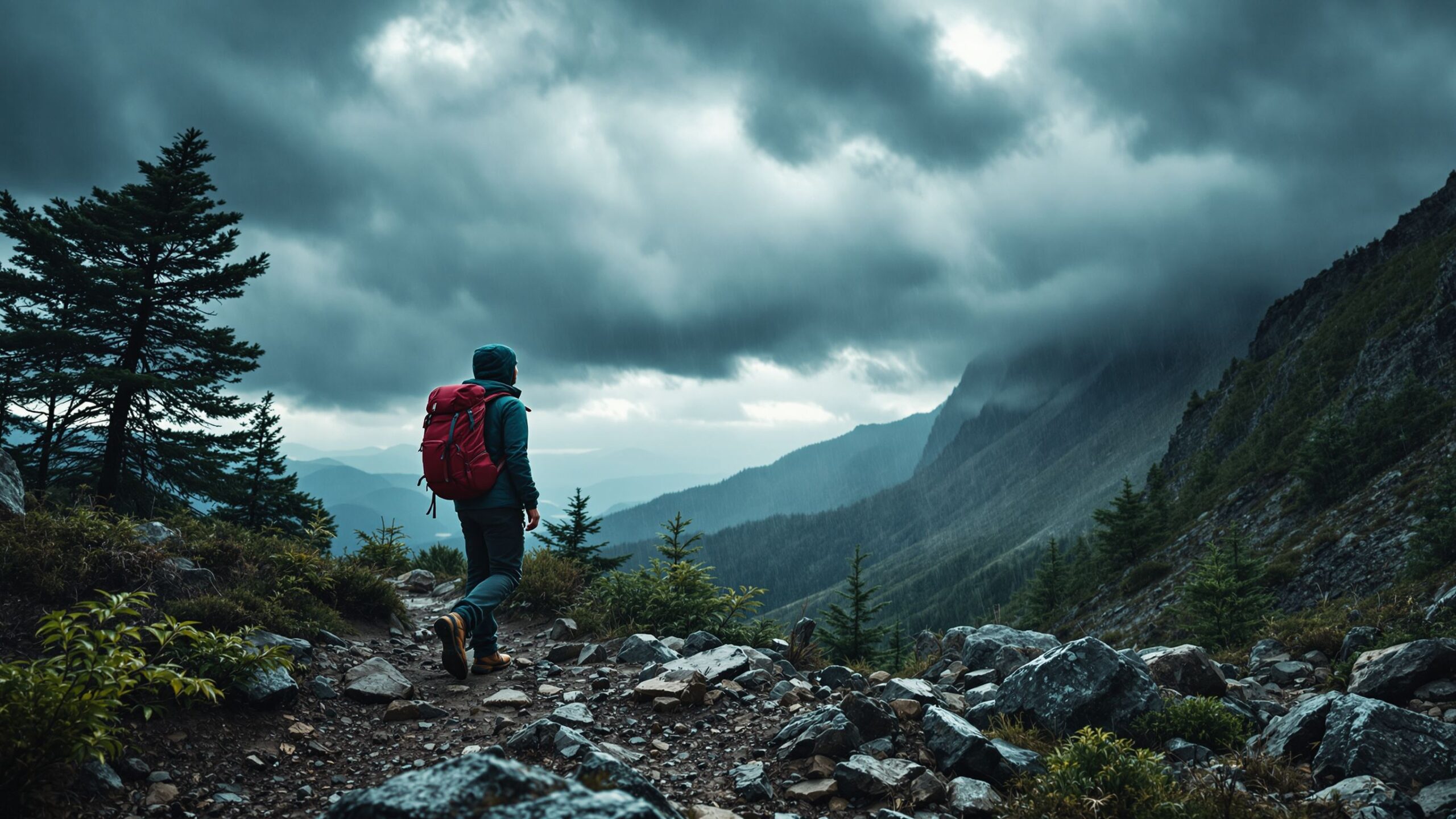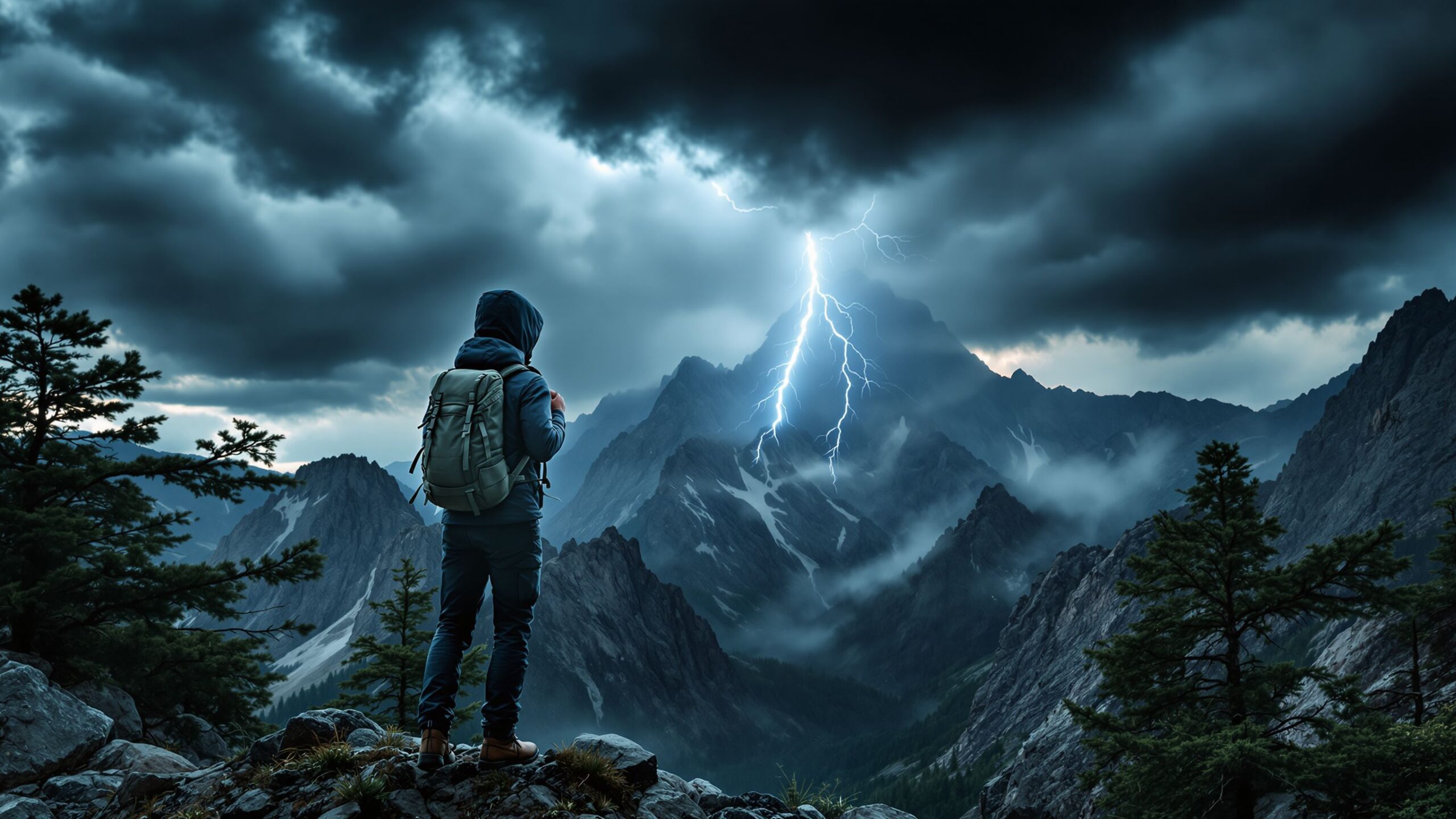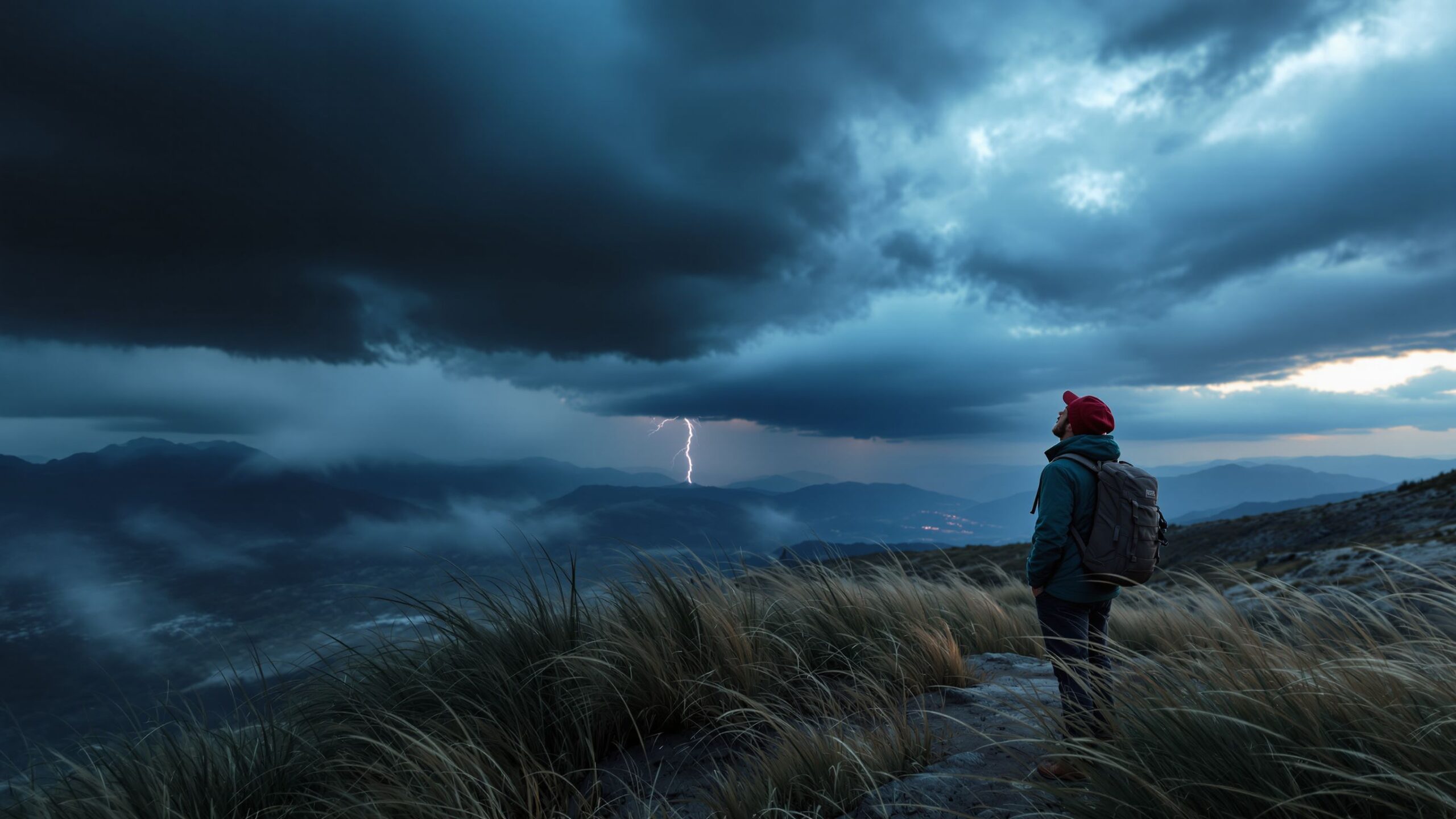
Weather in the wilderness can change with startling speed, turning a peaceful hike into a dangerous situation within minutes. While modern forecasts provide valuable information before a trip, they cannot always predict the microclimates and sudden shifts that occur deep in nature. Learning how to read weather signs in the wilderness gives you a critical advantage, allowing you to anticipate changes, make informed decisions, and stay safe when conditions become unpredictable. This skill connects you directly to the environment, sharpening your awareness and transforming the way you experience the outdoors.
A: Watch clouds. Small, stable clouds are usually less concerning, while tall, dark, fast-growing clouds can signal storms.
A: It can mean a front, storm outflow, evening cooling, or changing air mass is moving into the area.
A: Tall cumulonimbus clouds, especially with dark bases or anvil-shaped tops, are serious thunderstorm warnings.
A: Yes. If you hear thunder, lightning is close enough that you should move away from exposed areas.
A: Turn around early, descend from exposed terrain, and avoid ridges, peaks, lone trees, and open high ground.
A: Often it suggests worsening weather, but it should be read alongside clouds, wind, humidity, and forecasts.
A: Animal behavior can offer clues, but it is not dependable enough to use as your main weather guide.
A: Fog means moisture and reduced visibility; it can make navigation harder and cool your body faster.
A: It is a rush of cool, strong wind pushed out from a thunderstorm, often arriving before rain or lightning.
A: Leave early, watch the sky often, and turn back before storms, lightning, heat, or cold become dangerous.
Why Weather Awareness Matters in the Backcountry
In remote environments, weather is not just a background condition—it is a powerful force that shapes every aspect of your journey. A clear morning can give way to afternoon thunderstorms, high winds can make exposed ridges hazardous, and dropping temperatures can lead to hypothermia even in mild seasons. Without the ability to recognize early warning signs, hikers and backpackers risk being caught off guard.
Understanding weather patterns allows you to plan smarter routes, choose appropriate gear, and adjust your pace based on conditions. It also enhances your overall confidence, giving you the ability to respond proactively rather than reactively. When you can read the sky, feel the wind, and interpret subtle environmental cues, you gain a deeper sense of control and awareness in the wilderness.
Reading Cloud Formations
Clouds are one of the most reliable indicators of changing weather, offering visual clues about what lies ahead. High, wispy clouds often signal stable conditions, but when they begin to thicken and spread, they can indicate an approaching system. Puffy, towering clouds that grow vertically are particularly important to watch, as they can develop into storms capable of producing lightning, heavy rain, and strong winds.
The speed at which clouds move also provides valuable information. Rapidly moving clouds may suggest increasing wind at higher altitudes, while clouds building quickly in the afternoon often point to instability in the atmosphere. Observing these patterns over time helps you recognize trends, allowing you to anticipate whether conditions are improving or deteriorating.
Color is another important factor. Darkening clouds, especially those with a heavy, gray or greenish tint, often signal incoming storms. When combined with sudden drops in temperature or shifts in wind, these visual cues become even more significant. Learning to interpret cloud behavior is one of the most effective ways to stay ahead of changing weather in the wilderness.
Understanding Wind Direction and Changes
Wind is more than just a physical sensation—it is a messenger of atmospheric change. A steady breeze can quickly shift direction or intensity, signaling the movement of weather systems. Warm winds may indicate stable conditions, while sudden gusts or cold winds often precede storms or frontal boundaries.
Paying attention to wind patterns helps you detect subtle changes before they become obvious. For example, a calm day that suddenly becomes windy may indicate an approaching front. Similarly, swirling or inconsistent winds can suggest instability in the atmosphere, increasing the likelihood of storms.
Wind direction can also influence temperature and moisture levels. In mountainous regions, upslope winds during the day can bring moisture and cloud formation, while downslope winds at night often lead to clearer, cooler conditions. Recognizing these patterns allows you to anticipate changes and adapt your plans accordingly.
Noticing Temperature and Humidity Shifts
Temperature changes in the wilderness can be both gradual and sudden, and they often provide early warning signs of shifting weather. A noticeable drop in temperature, especially when combined with increasing wind or cloud cover, may indicate an approaching storm or cold front. Conversely, rising temperatures can signal clearing conditions or the influence of warm air masses.
Humidity is another key factor to observe. Increasing moisture in the air can make the environment feel heavy and uncomfortable, often preceding rainfall or thunderstorms. Dew forming earlier in the evening or lingering longer in the morning can also indicate higher humidity levels, suggesting a greater chance of precipitation.
By paying attention to how the air feels on your skin and how conditions change throughout the day, you can develop a more intuitive understanding of weather patterns. These subtle cues often provide valuable information that complements what you see in the sky.
Observing Animal Behavior
Animals are highly attuned to their environment, and their behavior can offer important clues about upcoming weather changes. Birds, for example, may fly lower to the ground when atmospheric pressure drops, signaling an approaching storm. Increased insect activity can also indicate stable, warm conditions, while a sudden decrease may suggest changing weather.
Other animals may alter their routines in response to environmental shifts. Mammals might seek shelter, and certain species become more active or vocal before storms. While these signs should not be relied upon in isolation, they can reinforce other observations, helping you build a more complete picture of the situation.
Learning to notice these patterns adds another layer to your weather awareness, deepening your connection to the natural world and enhancing your ability to interpret its signals.
Recognizing Signs of Storms
Storms in the wilderness can develop rapidly, making early detection essential. One of the most obvious signs is the formation of large, towering clouds that grow vertically and darken over time. These clouds can produce lightning, heavy rain, and strong winds, posing significant risks to hikers and backpackers.
Other warning signs include sudden gusts of wind, a drop in temperature, and the distant sound of thunder. The smell of rain, often described as earthy or metallic, can also indicate that precipitation is imminent. When multiple signs appear together, it is important to take them seriously and prepare for changing conditions.
Seeking shelter, avoiding exposed areas, and adjusting your route are all important steps when a storm is approaching. By recognizing these signs early, you can make safer decisions and reduce your exposure to potential hazards.
Using the Sun, Moon, and Sky Colors
The appearance of the sky during sunrise and sunset can provide valuable insights into upcoming weather. Bright, clear skies at sunrise often indicate stable conditions, while dramatic, colorful sunsets can signal the presence of moisture and changing weather patterns. The angle and intensity of sunlight can also reveal cloud thickness and atmospheric conditions.
At night, the visibility of the moon and stars can offer additional clues. Clear, sharp visibility typically suggests stable weather, while hazy or obscured conditions may indicate increasing moisture in the atmosphere. Haloes around the moon or sun are particularly significant, often signaling the presence of high-level clouds associated with incoming systems.
These observations require patience and attention, but they provide a deeper understanding of the environment and its rhythms. Over time, you’ll begin to recognize patterns that help you anticipate changes with greater accuracy.
Terrain and Microclimate Awareness
The landscape itself plays a major role in how weather behaves. Mountains, valleys, forests, and bodies of water all influence temperature, wind, and precipitation. Understanding these effects helps you interpret weather signs more accurately and anticipate localized conditions.
For example, valleys can trap cold air, leading to cooler temperatures at night, while ridges are often exposed to stronger winds. South-facing slopes may be warmer and drier, while north-facing slopes retain moisture and remain cooler. Recognizing these microclimates allows you to choose routes and campsites that align with current conditions.
Water sources such as lakes and rivers can also affect humidity and temperature, creating localized weather patterns. By considering the interaction between terrain and weather, you gain a more comprehensive understanding of the environment and its dynamics.
Combining Observation with Forecast Knowledge
While reading weather signs in the wilderness is invaluable, it is most effective when combined with pre-trip planning and forecast information. Checking weather reports before heading out provides a baseline understanding of expected conditions, which you can then refine through observation in the field.
This combination allows you to verify forecasts, adjust your expectations, and respond to unexpected changes. It also reinforces your learning, as you begin to see how predicted conditions manifest in real-world environments. Over time, this process strengthens your ability to interpret weather signs and make informed decisions.
Building Experience and Trusting Your Instincts
Developing the ability to read weather signs takes time and practice. Each trip offers an opportunity to observe, learn, and refine your skills. By paying attention to patterns and reflecting on your experiences, you build a deeper understanding of how weather behaves in different environments.
As your knowledge grows, so does your confidence. You begin to trust your instincts, recognizing subtle cues that might go unnoticed by others. This intuitive awareness is one of the most valuable skills a hiker or backpacker can develop, enhancing both safety and enjoyment.
Staying Safe Through Awareness
Ultimately, the goal of reading weather signs in the wilderness is to stay safe and make informed decisions. Weather is unpredictable, but it is not unknowable. By learning to interpret its signals, you gain the ability to anticipate changes, adapt your plans, and navigate challenges with confidence.
This awareness transforms your relationship with the outdoors, turning uncertainty into understanding and risk into opportunity. Whether you are exploring a familiar trail or venturing into new territory, the ability to read weather signs ensures that you are prepared for whatever the wilderness has in store.