Weather is one of the most unpredictable and powerful forces a hiker will face, capable of transforming a routine outing into a serious survival situation within hours. While trail conditions, distance, and gear often dominate trip planning, weather safety is the factor that quietly determines whether a hike remains enjoyable or becomes dangerous. Understanding how to prepare for and respond to weather conditions is not optional—it is essential for anyone stepping into the wilderness. From sudden storms to extreme temperatures, the ability to anticipate and manage weather risks can make the difference between confidence and crisis.
A: Check temperature, wind, precipitation, thunderstorm risk, snow, heat alerts, fire weather, and overnight lows.
A: Cancel or change plans if storms, lightning, extreme heat, dangerous cold, flooding, or high winds are likely.
A: Leave exposed areas, descend from ridges or summits, avoid lone trees, and seek safer lower ground.
A: Yes. Rain, sweat, wind, and cool temperatures can chill the body even outside winter.
A: Start early, drink often, eat salty snacks, rest in shade, and turn back if you feel dizzy, weak, or confused.
A: Yes, especially in mountains, forests, canyons, and remote areas where conditions can shift quickly.
A: If you can hear thunder, you are close enough to be at risk and should move to safer terrain.
A: They help, but you should also carry offline navigation, watch the sky, and understand local terrain risks.
A: Stop, confirm your location, use map or GPS, avoid wandering, and move carefully if continuing is safe.
A: Make conservative decisions early instead of waiting until conditions force an emergency choice.
Why Weather Preparation Is Non-Negotiable
Every experienced hiker eventually learns the same lesson: weather does not care about your plans. Clear skies at the trailhead can quickly evolve into thunderstorms, strong winds, or sudden cold snaps, especially in mountainous or remote regions. Unlike urban environments, the wilderness offers limited shelter and few immediate resources, meaning you must rely on your own preparation and judgment.
Weather preparation begins before you even leave home. Checking forecasts provides a baseline understanding of expected conditions, but it should never be the only source of information. Conditions in the wilderness can vary dramatically from nearby towns, influenced by elevation, terrain, and local weather systems. Preparing for a range of possibilities ensures that you are not caught off guard when reality diverges from predictions.
Understanding Forecasts and Their Limits
Weather forecasts are valuable tools, but they are not guarantees. They provide a general outlook based on large-scale patterns, which may not capture the nuances of specific trails or regions. A forecast that calls for mild conditions might still include localized storms or temperature swings that affect your route.
Interpreting forecasts effectively means looking beyond simple temperature readings. Pay attention to wind speeds, precipitation chances, and timing of weather changes. Afternoon thunderstorms, for example, are common in many mountainous areas and can be anticipated even if the morning forecast appears calm. By understanding these patterns, you can plan your hike to avoid peak risk periods.
Equally important is recognizing uncertainty in forecasts. When conditions are described as “possible” or “likely,” it is wise to prepare as though they will occur. This mindset encourages caution and reduces the likelihood of being unprepared.
Dressing for Changing Conditions
Clothing is your first line of defense against weather, and choosing the right layers can significantly impact your safety and comfort. In the wilderness, conditions can shift rapidly, making it essential to adapt without relying on external resources.
Layering allows you to regulate your body temperature effectively. A moisture-wicking base layer keeps sweat away from your skin, reducing the risk of chilling. An insulating layer provides warmth, while an outer shell protects against wind and rain. This system ensures that you can adjust to changing conditions throughout the day.
Even in warm weather, carrying extra layers is a critical safety measure. Temperatures can drop quickly at higher elevations or after sunset, and unexpected rain can amplify the effects of cold. Being prepared for these changes helps prevent hypothermia and maintains your ability to function effectively.
Recognizing the Risks of Heat and Sun Exposure
Hot weather presents its own set of challenges, often underestimated by hikers. Prolonged exposure to heat can lead to dehydration, heat exhaustion, or even heatstroke, all of which can become life-threatening if not addressed promptly.
Staying hydrated is essential, but it requires more than simply carrying water. You must plan your route with water sources in mind and understand your own hydration needs based on temperature and exertion. Electrolytes also play a role in maintaining balance, particularly during long or strenuous hikes.
Sun exposure adds another layer of risk. At higher elevations, the intensity of sunlight increases, making sunburn and fatigue more likely. Wearing protective clothing, using sunscreen, and taking breaks in shaded areas help mitigate these effects. Recognizing the early signs of heat-related illness allows you to take action before conditions worsen.
Preparing for Cold and Hypothermia
Cold weather can be deceptive, especially when combined with wind and moisture. Hypothermia does not require freezing temperatures—it can occur in mild conditions if you become wet and lose body heat. This makes preparation critical, even for hikes that do not seem particularly cold.
Keeping dry is one of the most important factors in preventing hypothermia. Waterproof gear, proper layering, and avoiding prolonged exposure to wet conditions all contribute to maintaining body heat. Recognizing early symptoms, such as shivering and fatigue, allows you to respond before the situation becomes severe.
Wind chill further complicates cold weather safety, as it accelerates heat loss and makes conditions feel colder than they actually are. Understanding how wind affects temperature helps you make better decisions about clothing and shelter.
Storm Safety and Lightning Awareness
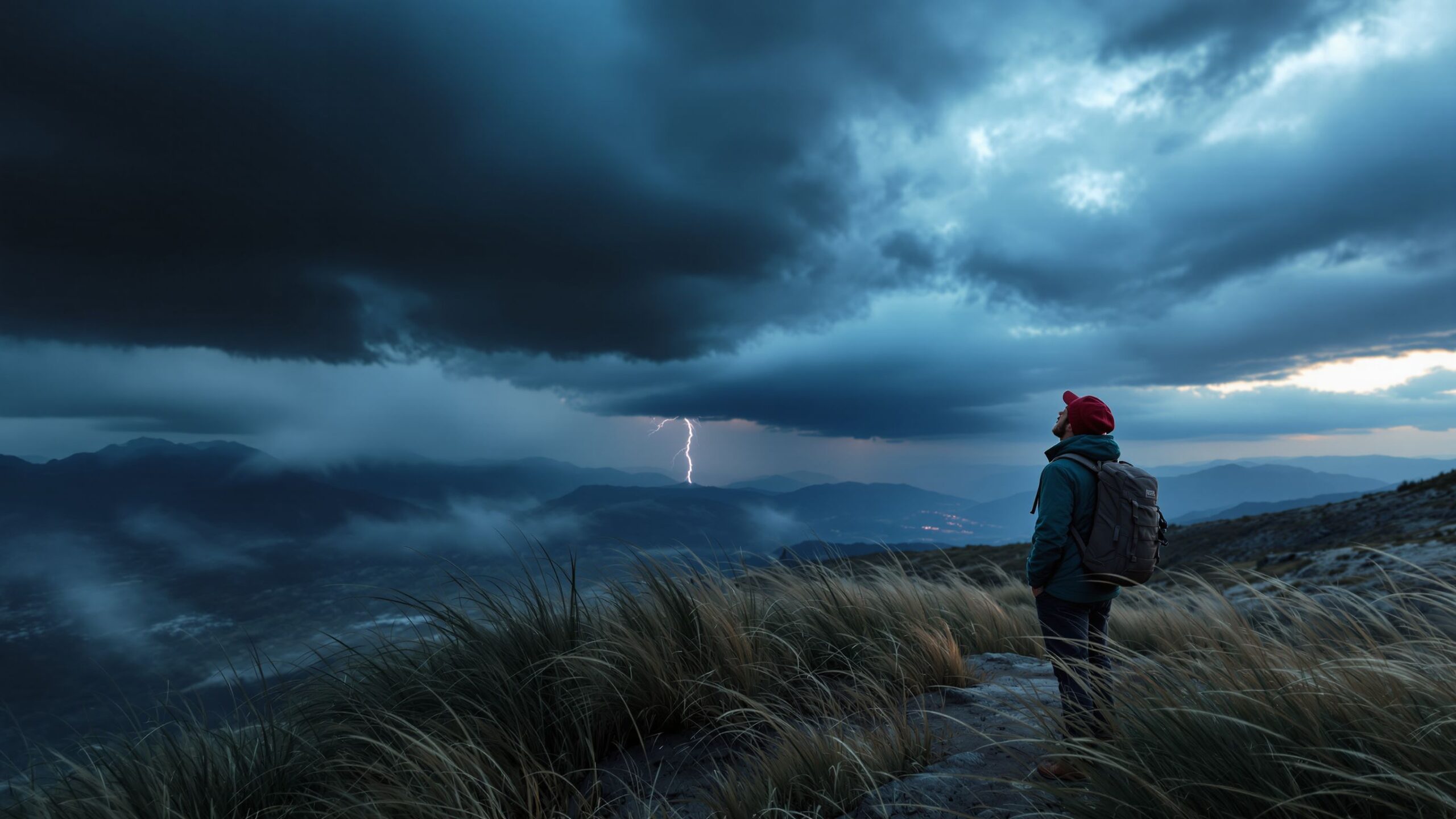
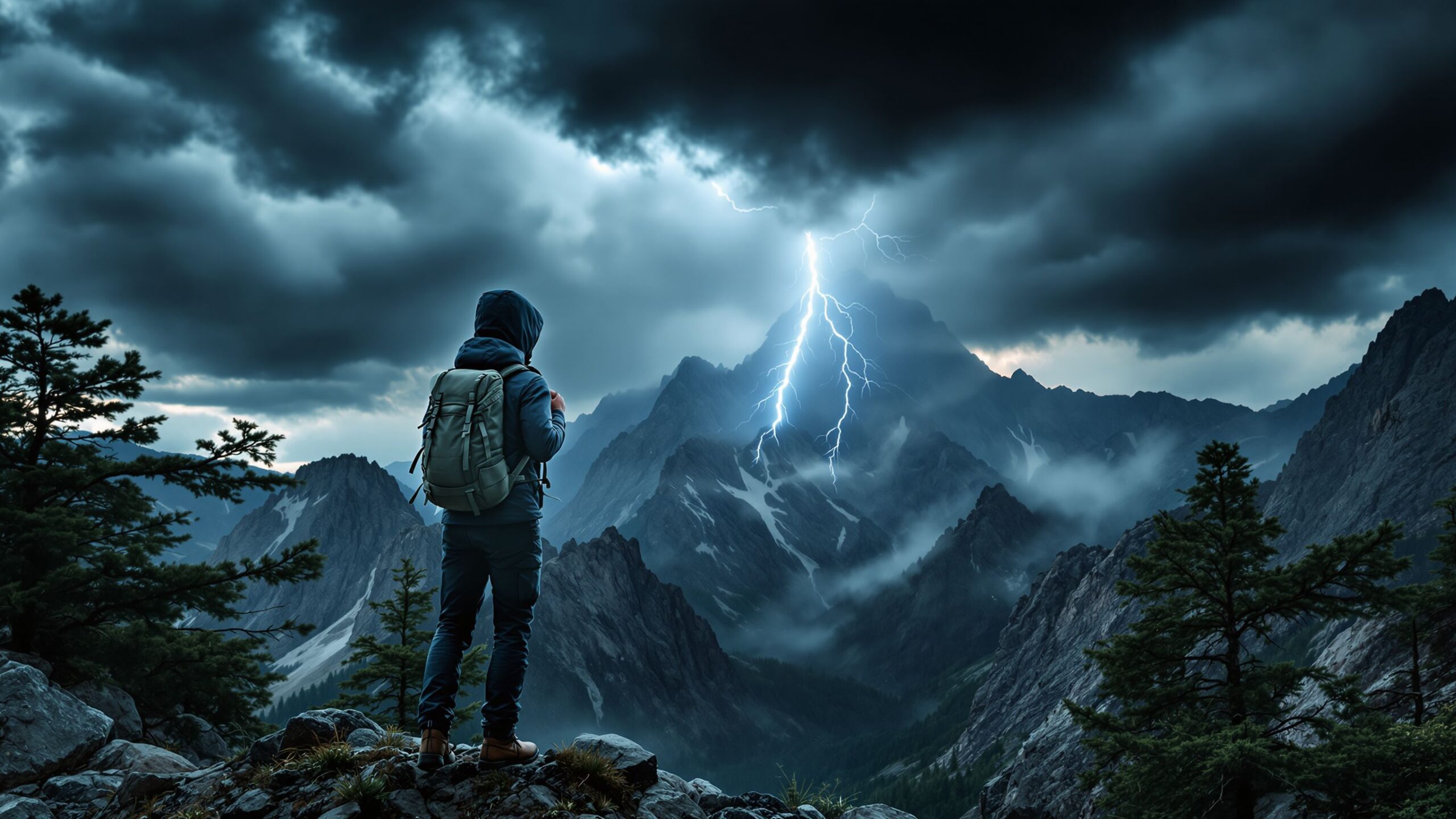
Storms are among the most dangerous weather events hikers encounter, particularly when they involve lightning. Being caught in an exposed area during a storm significantly increases the risk of injury or worse, making early detection and response essential.
When storms are likely, planning your route to avoid exposed ridges, summits, and open fields during peak hours is a smart strategy. If you hear thunder, it is important to act immediately, as lightning can strike even when a storm appears distant. Moving to lower ground, avoiding isolated trees, and distancing yourself from metal objects are key safety measures.
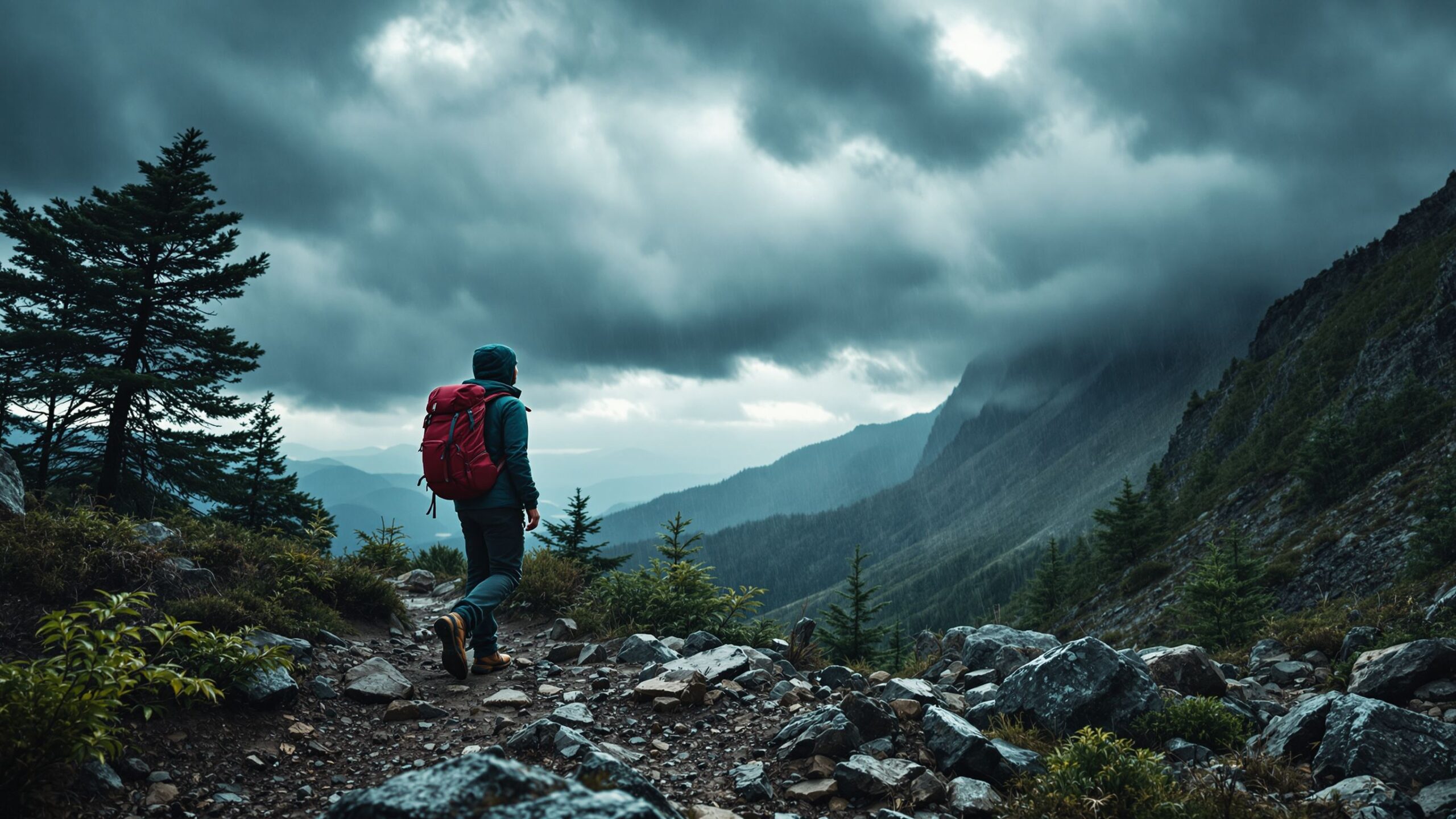
Rain and wind associated with storms can also create hazardous conditions, including slippery trails and falling debris. Adjusting your pace and choosing safer terrain reduces the likelihood of accidents during these events.
Wind, Visibility, and Navigation Challenges
Strong winds can affect more than just comfort—they can impact balance, increase fatigue, and make navigation more difficult. On exposed terrain, wind can be strong enough to knock hikers off balance, particularly when carrying heavy packs.
Visibility is another critical factor, especially in fog, rain, or snow. Reduced visibility makes it harder to follow trails and identify landmarks, increasing the risk of getting lost. Carrying a map and compass, along with knowing how to use them, becomes especially important in these conditions.
Adapting to these challenges requires awareness and flexibility. Slowing down, staying oriented, and choosing safer routes help mitigate the risks associated with poor weather conditions.
Packing for Weather Emergencies
Preparation extends beyond clothing to the gear you carry. Essential items for weather safety include waterproof layers, extra insulation, navigation tools, and emergency supplies. These items provide a buffer against unexpected conditions, giving you the ability to respond effectively.
A reliable shelter, such as a tent or emergency bivy, can make a significant difference if you are forced to wait out bad weather. Similarly, carrying extra food and water ensures that you have the resources needed to handle delays or extended exposure.
Packing with weather in mind is not about overloading your pack but about prioritizing items that enhance safety. Each piece of gear should serve a purpose, contributing to your ability to handle changing conditions.
Knowing When to Turn Back
One of the most important aspects of weather safety is recognizing when to change your plans. Turning back is not a failure—it is a decision that prioritizes safety over ambition. Weather conditions can deteriorate quickly, and pushing forward in the face of increasing risk can lead to dangerous situations.
Developing the judgment to turn back requires honesty and awareness. Pay attention to changes in the environment, your physical condition, and the behavior of your group. If conditions become unsafe, making the decision to retreat is a sign of experience and responsibility.
This mindset ensures that you can return to hike another day, preserving both your safety and your enjoyment of the outdoors.
Building a Weather-Smart Mindset
Weather safety is not just about knowledge—it is about mindset. It requires a willingness to observe, adapt, and respect the power of nature. By staying aware of your surroundings and remaining flexible in your plans, you can navigate changing conditions with confidence.
This mindset extends beyond individual trips, shaping how you approach every outdoor experience. It encourages preparation, curiosity, and a deeper connection to the environment, enhancing both safety and enjoyment.
The Role of Experience in Weather Awareness
Experience is one of the most valuable tools a hiker can develop. Each trip provides an opportunity to learn, refining your understanding of how weather behaves in different environments. Over time, patterns become more recognizable, and your ability to anticipate changes improves.
Reflecting on past experiences helps reinforce these lessons, allowing you to build a mental framework for interpreting weather conditions. This ongoing process of learning and adaptation is what transforms a cautious beginner into a confident and capable hiker.
Staying Safe Through Preparation and Awareness
Weather will always remain unpredictable, but it does not have to be overwhelming. By preparing thoroughly, understanding the risks, and staying attentive to changing conditions, you can navigate the wilderness with confidence and safety.
The knowledge of weather safety empowers you to make informed decisions, protect yourself and others, and fully enjoy the experience of hiking and backpacking. It is a skill that extends beyond the trail, fostering a deeper respect for the natural world and its ever-changing dynamics.