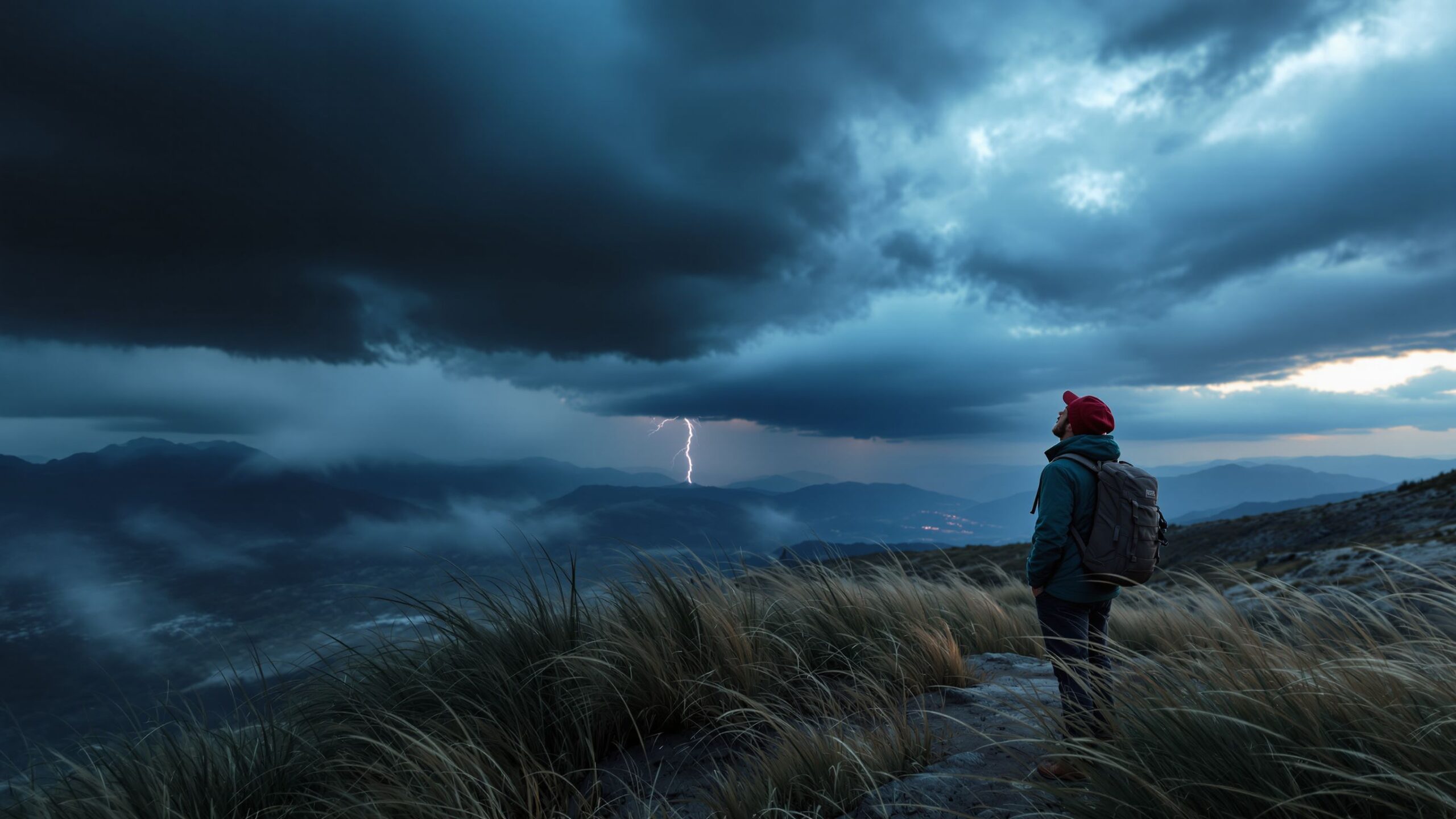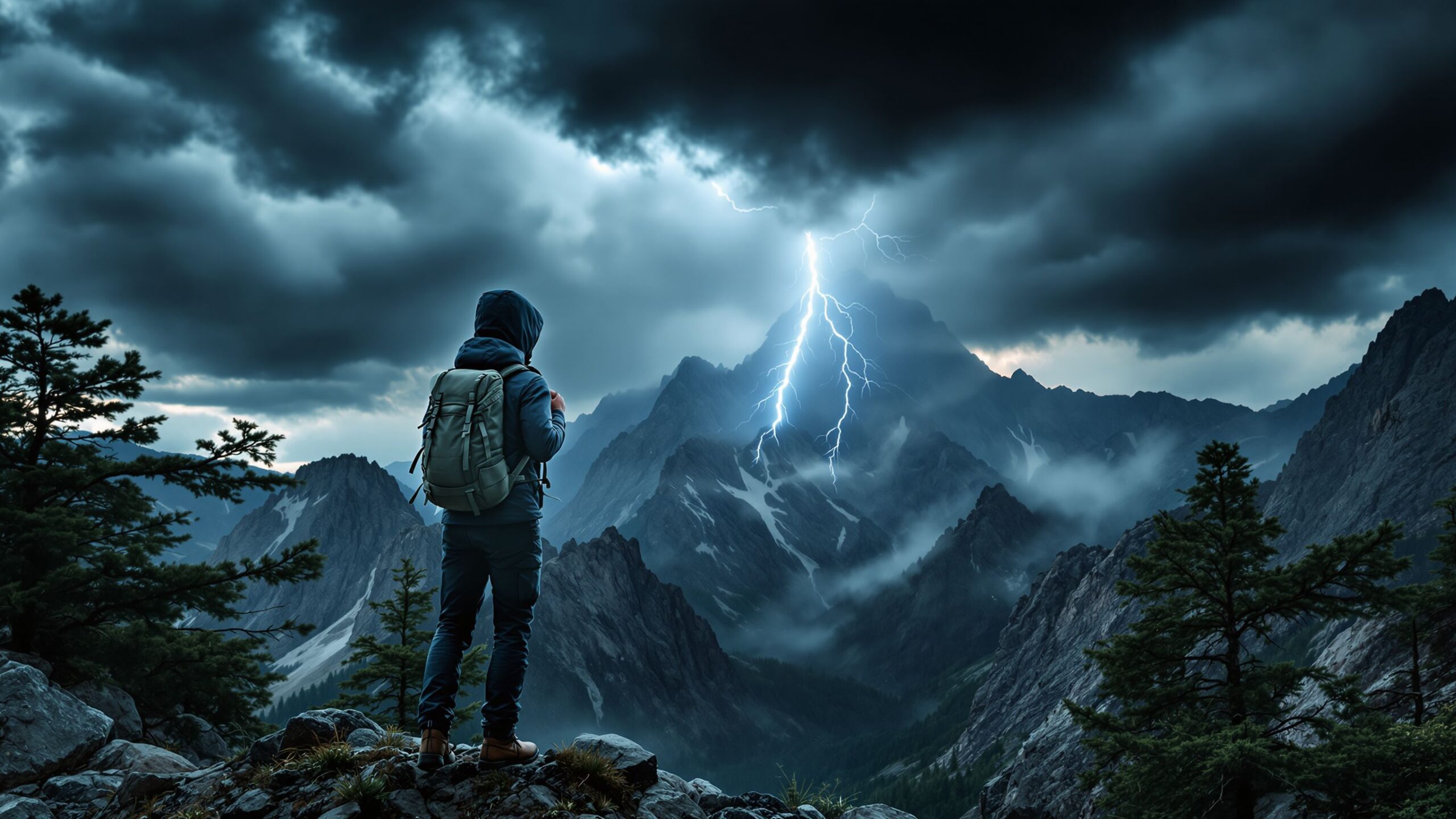
Sudden weather changes are one of the most unpredictable and dangerous elements of spending time outdoors. A calm, sunny morning can transform into a cold, wind-driven storm within minutes, especially in mountainous or remote environments. For hikers, backpackers, and outdoor adventurers, preparation is not just about comfort—it is about survival. Knowing how to anticipate, respond to, and endure rapid shifts in weather conditions can mean the difference between a memorable adventure and a hazardous situation. Developing this skill requires a combination of planning, awareness, and the right mindset.
A: Always be ready for conditions to worsen, even if the day starts clear.
A: Turn back at the first strong signs of worsening weather, not when it becomes dangerous.
A: Move to safer terrain, avoid exposed areas, and protect yourself from wind and rain.
A: Bring layers and stay dry to prevent rapid heat loss.
A: Yes, especially in unpredictable environments where weather can shift quickly.
A: No, always combine forecasts with real-time observation and preparation.
A: Waiting too long to react to changing conditions.
A: Avoid high ground, isolated trees, and open areas; seek lower terrain.
A: Stop, assess your position, and use navigation tools before moving.
A: Staying cautious, flexible, and willing to change plans at any moment.
Why Sudden Weather Changes Are So Dangerous
The danger of sudden weather changes lies in their speed and intensity. Unlike gradual shifts, these changes leave little time to react. A temperature drop can quickly lead to hypothermia, while an unexpected storm can create visibility issues, slippery terrain, and lightning risks. In many outdoor settings, especially at higher elevations, weather systems move faster and behave more unpredictably than in urban areas.
What makes these situations particularly challenging is the lack of immediate shelter and resources. When you are miles from a trailhead, you cannot simply retreat to safety without careful planning. This is why preparation must happen before you step onto the trail, ensuring that you are equipped to handle whatever conditions arise.
Planning for the Worst, Not the Best
Preparation begins with a shift in mindset. Instead of planning for ideal conditions, experienced hikers prepare for the worst-case scenario within reason. This does not mean expecting disaster, but rather acknowledging that conditions can change and being ready to adapt.
Checking weather forecasts is an important first step, but it should not be the only one. Forecasts provide a general overview, but they cannot account for every localized change. By understanding the potential for variation, you can pack and plan accordingly, ensuring that you are not caught unprepared.
Route planning also plays a critical role. Choosing trails with escape options, lower exposure, and access to shelter can significantly reduce risk. Knowing where you can descend, take cover, or shorten your route provides flexibility when conditions change unexpectedly.
Building a Weather-Ready Gear System
The gear you carry is your primary defense against sudden weather changes. A well-prepared pack includes layers, protection, and essential tools that allow you to adapt quickly. Clothing should follow a layering system, enabling you to add or remove insulation as conditions shift.
A waterproof and windproof outer layer is essential, even on days that appear clear. Rain and wind can develop quickly, and having immediate protection helps maintain body temperature and prevent exposure. Insulating layers provide warmth when temperatures drop, while moisture-wicking base layers keep you dry.
Beyond clothing, gear such as a hat, gloves, and extra socks can make a significant difference in maintaining comfort and safety. Small items often have a large impact when conditions become challenging.
Staying Dry and Managing Moisture
Moisture is one of the greatest threats in sudden weather changes, particularly in cold conditions. Rain, snow, or even sweat can rapidly reduce body temperature, increasing the risk of hypothermia. Staying dry is not just about avoiding rain—it is about managing all sources of moisture.
Waterproof gear helps protect against external moisture, but internal moisture from sweat must also be controlled. Adjusting your pace, removing layers during exertion, and ventilating clothing can help regulate temperature and prevent overheating. This balance is essential for maintaining comfort and safety.
If you do become wet, taking steps to dry off as soon as possible is critical. Changing into dry clothing, seeking shelter, and generating body heat can help prevent further heat loss. These actions may seem simple, but they are vital in preventing dangerous conditions.
Recognizing Early Warning Signs
Preparation is not only about gear—it is also about awareness. Recognizing early signs of changing weather allows you to act before conditions become severe. Darkening clouds, increasing wind, and sudden temperature drops are all indicators that weather may be shifting.
Paying attention to these signs requires constant observation. The more you tune into your environment, the more quickly you will notice changes. This awareness gives you valuable time to adjust your plans, seek shelter, or prepare for incoming conditions.
Trusting these observations is equally important. Ignoring warning signs in favor of continuing your planned route can lead to dangerous situations. Being willing to adapt is a key component of outdoor safety.
Knowing How to React Quickly
When weather changes suddenly, your response must be immediate and effective. Delaying action can allow conditions to worsen, reducing your options and increasing risk. Having a clear plan in mind helps you react without hesitation.
If a storm approaches, moving to lower ground and avoiding exposed areas is a priority. In cold conditions, adding layers and protecting extremities helps maintain body heat. In hot conditions, seeking shade and hydrating prevents heat-related illness.
These responses should become second nature through practice and experience. The more familiar you are with your gear and strategies, the more efficiently you can act when conditions change.
Shelter Strategies in Changing Weather
Finding or creating shelter is one of the most important steps in dealing with sudden weather changes. Natural features such as trees, rock formations, and terrain depressions can provide protection from wind and precipitation. Understanding how to use these features effectively enhances your ability to stay safe.
Carrying emergency shelter, such as a lightweight bivy or tarp, adds another layer of security. These items provide immediate protection when natural shelter is unavailable, allowing you to wait out storms or rest in difficult conditions.
Choosing a safe location for shelter is equally important. Avoid areas prone to flooding, falling debris, or lightning exposure. Taking the time to assess your surroundings ensures that your shelter provides safety rather than additional risk.
Navigating in Poor Conditions
Sudden weather changes often bring reduced visibility, making navigation more challenging. Fog, rain, and snow can obscure trails and landmarks, increasing the risk of getting lost. Maintaining orientation becomes critical in these situations.
Carrying a map and compass, along with knowing how to use them, provides a reliable navigation method when visibility is limited. GPS devices can also be helpful, but they should not be relied upon exclusively. Combining multiple navigation tools ensures that you can stay on course even in difficult conditions.
Moving slowly and deliberately reduces the risk of mistakes. Taking the time to confirm your position and direction helps prevent disorientation and keeps you on track.
The Importance of Turning Back
One of the most difficult decisions for any hiker is choosing to turn back. However, this decision is often the safest and most responsible action when weather conditions deteriorate. Continuing forward in the face of increasing risk can lead to dangerous situations that are difficult to recover from.
Turning back requires humility and awareness. It means recognizing that conditions are beyond your control and prioritizing safety over goals. This decision is not a failure—it is a sign of experience and good judgment.
By making this choice when necessary, you ensure that you can return safely and continue exploring in the future.
Building Confidence Through Experience
Preparing for sudden weather changes is a skill that develops over time. Each outdoor experience adds to your understanding, helping you recognize patterns and refine your responses. The more you practice, the more confident and capable you become.
This confidence is not about eliminating risk but about managing it effectively. It allows you to approach the outdoors with respect and awareness, understanding that conditions can change and that you are prepared to handle them.
Staying Safe in an Unpredictable Environment
The outdoors will always be unpredictable, and sudden weather changes are an inherent part of that reality. However, unpredictability does not have to mean danger. With the right preparation, awareness, and mindset, you can navigate these changes safely and confidently.
Understanding how to prepare for sudden weather changes transforms your outdoor experience, turning uncertainty into a manageable challenge. It empowers you to explore with confidence, knowing that you are equipped to handle whatever the environment presents.