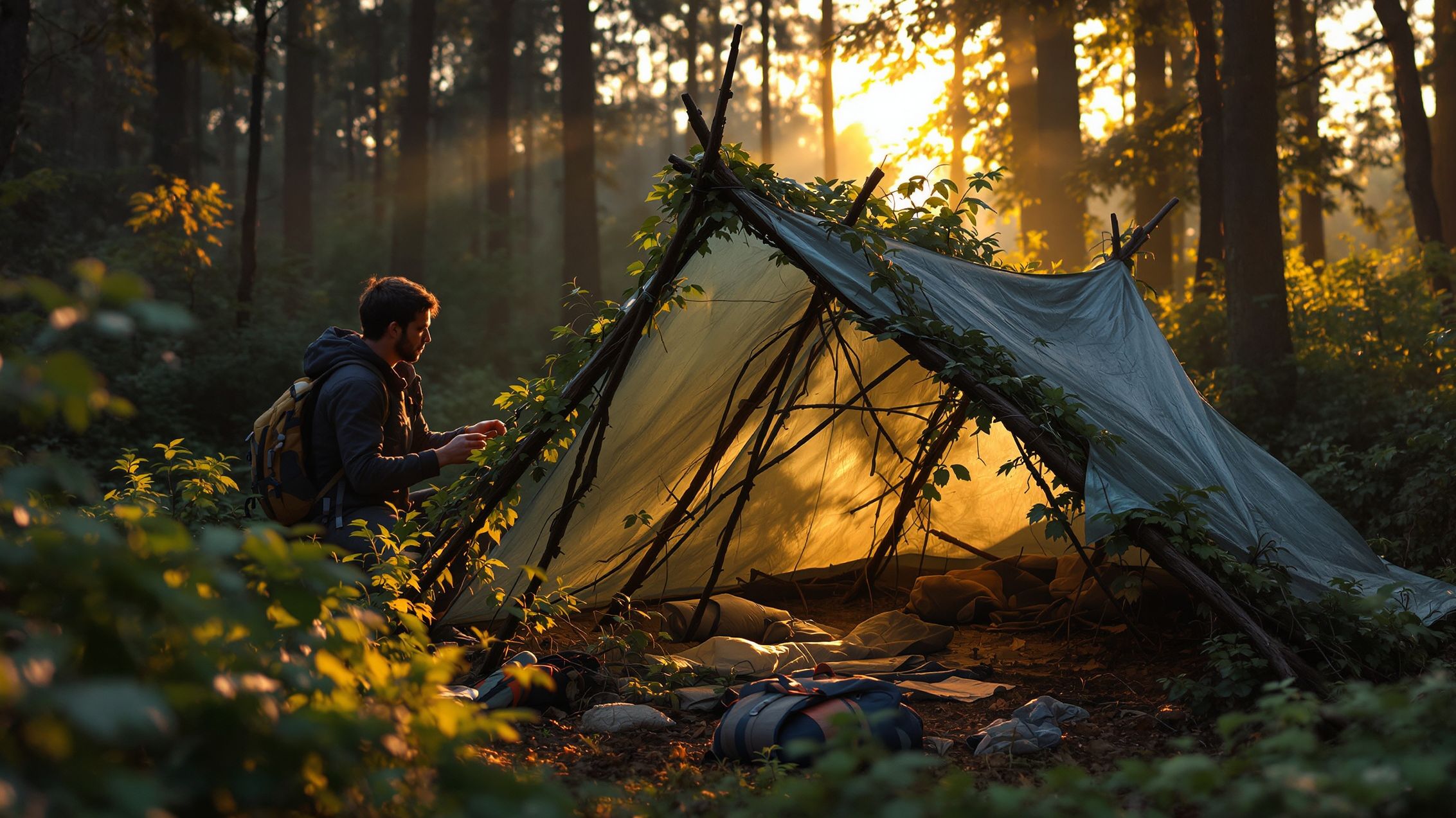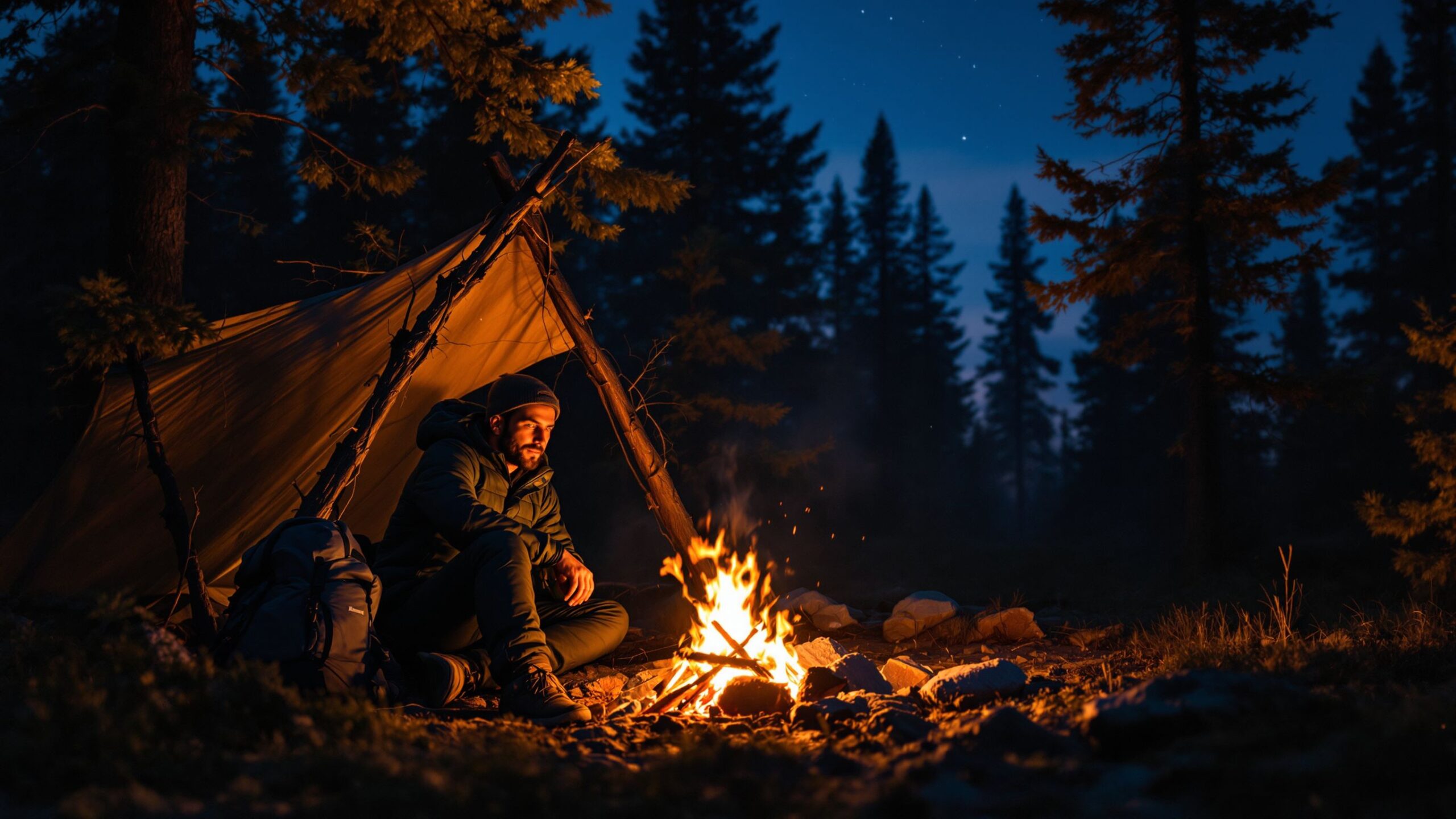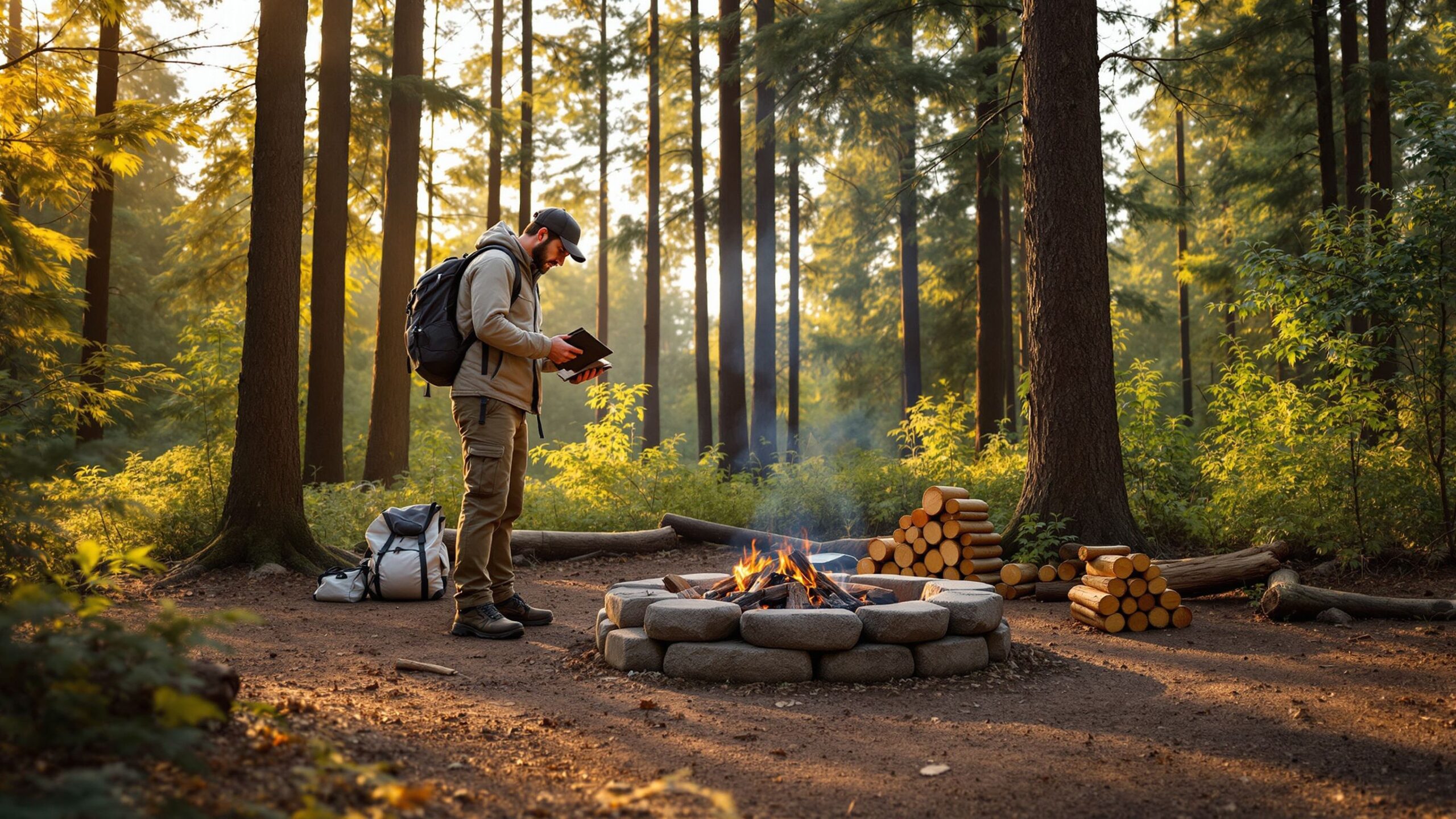
Fire has always been one of humanity’s greatest survival tools. In the wilderness, it becomes even more important. A well-built fire provides warmth during cold nights, helps cook food, purifies water, creates light after sunset, keeps insects away, and offers comfort in unfamiliar surroundings. For beginners, learning how to build a fire in the wilderness is one of the most valuable outdoor skills to master. At first, building a fire may seem simple—just light some wood and wait. In reality, a strong and safe campfire requires planning, preparation, and awareness of your surroundings. Weather conditions, wood quality, fire safety rules, and the way you arrange your materials all make a major difference. A careless fire can quickly become dangerous, while a properly managed one can be the heart of a successful camping trip. Understanding the basics of wilderness fire building helps you stay safe and confident outdoors. Whether you are backpacking through the mountains, camping near a lake, or preparing for an emergency survival situation, knowing how to create fire responsibly is an essential outdoor skill.
A: A teepee or lean-to fire is usually easiest because both allow good airflow around tinder.
A: Dry grass, bark shavings, cotton balls, dryer lint, or feather-stick curls can work well.
A: Gather more than you think you need, especially small kindling for the first few minutes.
A: No. Follow local rules, fire bans, land restrictions, and current wildfire conditions.
A: The fuel may be damp, the tinder may be too compact, or the fire may need more oxygen.
A: Coals are usually better because they give steadier, more even heat.
A: Drown it with water, stir the ashes, add more water, and make sure everything is cold.
A: Split sticks open, look for dry inner wood, and use a strong fire starter if available.
A: Use established fire rings when possible and follow Leave No Trace guidance for the area.
A: Starting with pieces that are too large instead of building gradually from tiny tinder upward.
Why Fire Matters in the Wilderness
A fire is more than just a source of heat. It creates a sense of security in the wild. When temperatures drop unexpectedly, especially at night, a fire can help prevent dangerous exposure to cold. In wet conditions, it can help dry clothing and gear. For hikers and campers far from modern conveniences, fire becomes a practical necessity.
Cooking over an open flame is another major benefit. Simple meals become easier to prepare, and boiling water for purification can be critical in survival situations. Fire also produces smoke, which can deter insects and sometimes help signal for help in emergencies.
There is also a mental side to fire. Sitting near a campfire brings calm and focus. It creates a natural center for camp life, where people gather, rest, and reflect. In the wilderness, that feeling of warmth and stability can be just as valuable as the practical benefits.
Check Fire Rules Before You Start
Before building any fire outdoors, always check local fire regulations. Many parks, forests, and camping areas place restrictions on open flames, especially during dry seasons or periods of high wildfire risk. Some locations may only allow fires in designated fire rings, while others may ban them completely.
Ignoring fire restrictions can lead to serious consequences, including wildfires, fines, and damage to natural habitats. A beginner should never assume fire is allowed just because others have done it before. Conditions change quickly, and yesterday’s safe campsite may be under a fire ban today.
If fires are prohibited, use a portable camping stove instead. Responsible outdoor skills always start with respecting nature and protecting the environment around you.
Choosing the Right Spot
Location is one of the most important parts of building a safe fire. Never start a fire too close to dry grass, overhanging branches, tents, or loose leaves. Wind can carry sparks farther than expected, turning a small flame into a dangerous situation.
If a designated fire ring exists, use it. These areas are built to contain flames safely and reduce environmental damage. If there is no fire ring and fires are allowed, choose a flat, open area away from flammable materials. Clear the ground of leaves, pine needles, and dry debris in a wide circle around your fire.
Some campers place stones around the fire area to help contain it, but be cautious. Avoid using wet river rocks, as they can crack or explode when heated. Safety should always come before convenience.
Understanding the Three Fire Ingredients
Every successful fire depends on three things: heat, fuel, and oxygen. This is often called the fire triangle. Remove one of these elements, and the fire goes out.
Heat is your ignition source, such as matches, a lighter, or a fire starter. Fuel includes everything that burns, from tiny dry grass to large logs. Oxygen comes naturally from the air and helps flames grow stronger.
Beginners often focus only on lighting the fire, but the real secret is balance. Too much large wood too early smothers the flame. Too little airflow prevents ignition. Learning how these three elements work together makes fire building much easier.
Gathering Tinder, Kindling, and Firewood
A strong fire is built in stages. You do not start with large logs. You begin with the smallest materials and gradually work upward.
Tinder is your first layer. It catches fire quickly and creates the first flame. Good tinder includes dry grass, leaves, pine needles, bark shavings, cotton balls, paper, or small wood curls. The key is dryness. Even the best tinder will fail if it is damp.
Kindling comes next. These are small sticks about the size of pencils or slightly larger. Kindling helps the small flame grow into a stable fire. Dry twigs from dead branches work well.
Firewood is the final stage. These are the larger sticks and logs that keep the fire burning for a longer time. Always collect dead and fallen wood rather than cutting live branches. Green wood contains moisture and burns poorly, producing more smoke than heat.
Gather more materials than you think you need. Beginners often underestimate how quickly a fire consumes fuel.
Popular Fire Structures for Beginners
The way you arrange your materials affects how well your fire burns. Two of the easiest structures for beginners are the teepee fire and the log cabin fire.
The teepee fire is built by placing tinder in the center and leaning small sticks around it like a cone. This design allows strong airflow and makes ignition easier. It is excellent for quick lighting and works especially well in calm weather.
The log cabin fire starts with tinder and kindling in the center, then larger sticks are stacked around it in a square pattern like a tiny cabin. This method burns steadily and provides a stable cooking fire.
Many campers start with a teepee structure and later transition into a log cabin shape as the fire grows. Both methods are simple, reliable, and beginner-friendly.
Lighting the Fire
Once your materials are prepared and arranged, it is time to light the fire. Use a lighter, waterproof matches, or a fire starter. Light the tinder from multiple sides if possible, helping the flame spread evenly.
Be patient. Do not immediately pile on large wood. Let the tinder fully catch and allow the kindling to begin burning first. Rushing this stage is one of the most common beginner mistakes.
If the fire struggles, gently blow near the base to increase oxygen flow. Avoid strong blasts of air, which can scatter ash or extinguish small flames. A calm, steady approach works best.
As the flames grow stronger, gradually add larger sticks. Build slowly rather than all at once. A good fire grows naturally instead of being forced.
What to Do in Wet Conditions
Rain and moisture make fire building more difficult, but not impossible. The secret is finding dry material. Look under fallen logs, beneath thick trees, or inside dead standing branches where the inner wood may still be dry.
Peeling bark can reveal dry wood underneath. Splitting small sticks often exposes a dry center even when the outside feels damp. Carrying emergency fire starters, such as waterproof matches or fire cubes, can make a major difference.
In wet conditions, preparation matters even more. Gather extra tinder and kindling, protect your ignition source, and take your time. Frustration leads to mistakes, but patience leads to success.
Fire Safety Every Beginner Should Know
A wilderness fire should never be left unattended. Even a small flame can shift quickly with changing wind or dry surroundings. If you leave camp, the fire must be fully extinguished first.
Keep water, dirt, or sand nearby in case the flames spread unexpectedly. Do not build fires larger than necessary. A small, controlled fire is safer and often more effective than a large dramatic blaze.
Avoid using flammable liquids like gasoline or lighter fluid. These are extremely dangerous and can cause sudden flare-ups. Safe fire building relies on good technique, not shortcuts.
Children should always be supervised near a fire, and campers should stay aware of loose clothing, sparks, and shifting logs. Respect for fire is part of learning how to use it well.
Cooking Over a Wilderness Fire
One of the most rewarding parts of a campfire is cooking over it. Simple foods like soup, foil meals, roasted vegetables, and classic campfire favorites become part of the outdoor experience.
The best cooking heat usually comes from hot coals rather than large flames. Flames are unpredictable and can burn food quickly, while coals provide steady, even heat. Let your fire settle before placing cookware over it.
A metal grate, cast iron pan, or camping pot makes outdoor cooking easier. Always handle cookware carefully and use proper tools to avoid burns. Cooking over fire is both practical and memorable, especially for first-time campers.
How to Properly Put Out a Fire
Extinguishing a fire is just as important as building one. Never assume a fire will burn out safely on its own. Hidden embers can stay hot for hours and reignite later.
Pour water slowly over the entire fire, including glowing coals and ashes. Stir the ashes with a stick or shovel and add more water until everything is cool to the touch. If water is limited, use dirt carefully, but remember that water is always more reliable.
Do not leave until the fire pit is completely cold. If it is still warm, it is not fully out. This final step protects the forest, the campsite, and everyone who comes after you.
Leave No Trace and Respect Nature
Responsible campers follow the Leave No Trace principle. Fire should never damage the natural beauty of the wilderness. Use existing fire rings when possible, avoid scarring the land, and leave the area cleaner than you found it.
Do not burn trash like plastic, cans, or foil. These leave harmful residue and damage the environment. Only burn natural wood and approved materials.
Respecting nature means understanding that fire is a privilege, not a right. The wilderness should remain beautiful and safe for future hikers, campers, and wildlife.
Final Thoughts on Mastering Wilderness Fire Building
Learning how to build a fire in the wilderness is one of the most rewarding beginner outdoor skills. It connects you to ancient survival knowledge while making modern camping safer, warmer, and more enjoyable. The process teaches patience, awareness, and responsibility.
A successful fire starts long before the first spark. It begins with choosing the right location, gathering dry materials, understanding structure, and respecting fire safety rules. With practice, what once felt difficult becomes second nature.
The best wilderness fires are not the biggest ones. They are the safest, smartest, and most purposeful. Whether you are warming your hands after a long hike or cooking dinner beneath the stars, a well-built fire becomes part of the adventure itself.
For every beginner stepping into the outdoors, mastering this skill is a step toward confidence and independence. In the wilderness, fire is not just survival—it is a lesson in preparation, respect, and connection with the natural world.