Cold weather in the wilderness can turn from uncomfortable to dangerous much faster than most beginners expect. Whether you are hiking in the mountains, camping during fall, caught in unexpected rain, or facing an overnight survival situation, staying warm becomes one of the most important outdoor priorities. Heat loss affects energy, decision-making, and physical safety, and once your body temperature begins to drop too far, the risks increase quickly. Knowing the best ways to stay warm in the wilderness is not just about comfort. It is about preventing hypothermia, maintaining strength, and protecting your ability to think clearly. Even mild cold can become serious when wind, moisture, and exhaustion combine. The wilderness does not need freezing temperatures to create dangerous conditions. The good news is that warmth can often be managed with simple knowledge and preparation. Proper clothing, shelter, fire, food, movement, and smart decision-making all work together to protect your body heat. Learning these survival basics helps beginners feel more confident and much safer outdoors.
A: Get dry, block wind, add layers, and insulate yourself from the cold ground immediately.
A: Yes. Cotton holds moisture and loses warmth fast when wet, making it risky in cold conditions.
A: Close enough for warmth, but far enough to avoid sparks, smoke, and carbon monoxide risks.
A: Dry wool socks, proper circulation, insulated boots, and staying off frozen ground.
A: Yes. Dry leaves, pine needles, and grass can help insulate your sleeping area well.
A: Yes. Your body needs calories to produce heat, especially before sleeping in the cold.
A: It is an early warning sign that your body is working hard to stay warm.
A: Usually no. They work best combined with shelter, dry clothing, and ground insulation.
A: Not always. Remove layers before sweating too much to avoid getting wet and cold later.
A: Ignoring wet clothing and cold ground while focusing only on building a fire.
Why Body Heat Matters So Much
Your body constantly works to maintain a safe internal temperature. In cold conditions, it burns extra energy trying to stay warm. When that balance begins to fail, the body loses heat faster than it can produce it, leading to cold stress and eventually hypothermia.
Hypothermia does not only happen during snowstorms. Wet clothes after rain, strong mountain winds, sleeping on cold ground, or long exposure to chilly temperatures can all create serious danger. Early signs include shivering, fatigue, confusion, clumsiness, and poor decision-making.
Once your body starts losing heat rapidly, recovery becomes much harder. That is why staying warm is always easier than trying to warm up later. Prevention is one of the strongest survival tools you have.
Dress in Layers, Not Just Thick Clothes
One of the best wilderness warmth strategies is layering. Instead of wearing one heavy jacket, multiple layers trap warm air and allow you to adjust based on activity and weather.
The base layer sits against your skin and should pull moisture away from your body. Sweat becomes dangerous in cold weather because wet clothing steals heat. Materials like wool and moisture-wicking synthetic fabrics work far better than cotton, which holds water and dries slowly.
The middle layer provides insulation. Fleece, wool, and insulated jackets trap body heat and help maintain warmth. The outer layer protects against wind, rain, and snow. A waterproof and wind-resistant shell prevents outside conditions from reaching your inner layers.
Layering allows flexibility. You can remove layers while hiking to prevent sweating and add them again when resting or sleeping.
Keep Cotton Out of Cold Conditions
Many outdoor beginners make the mistake of wearing cotton because it feels comfortable in daily life. In wilderness survival, cotton is often called the enemy of warmth.
When cotton gets wet from sweat, rain, or snow, it stays wet for a long time. Wet fabric pulls heat away from your body rapidly and increases the risk of hypothermia. A soaked cotton hoodie can become dangerous in surprisingly mild temperatures.
Wool and synthetic materials perform much better because they retain warmth even when damp and dry faster. Socks, shirts, gloves, and base layers should all be chosen with moisture control in mind.
In cold outdoor conditions, staying dry is often just as important as staying warm.
Protect Your Head, Hands, and Feet
A large amount of body heat escapes through areas with high blood flow and less natural insulation. Your head, hands, and feet are especially important.
A warm hat can make a major difference, especially at night or in strong wind. Gloves protect your fingers from losing function in cold temperatures, and dry socks help maintain circulation and comfort during long hikes.
Wet boots quickly become dangerous. If your feet stay cold and wet, the rest of your body struggles to stay warm. Waterproof footwear and spare socks are small choices that create huge improvements in survival situations.
Even when the rest of your body feels warm, exposed hands or wet feet can quickly change everything.
Build Shelter Before You Need It
Shelter is one of the strongest defenses against cold weather. Wind and moisture increase heat loss dramatically, and even a simple shelter can create life-saving protection.
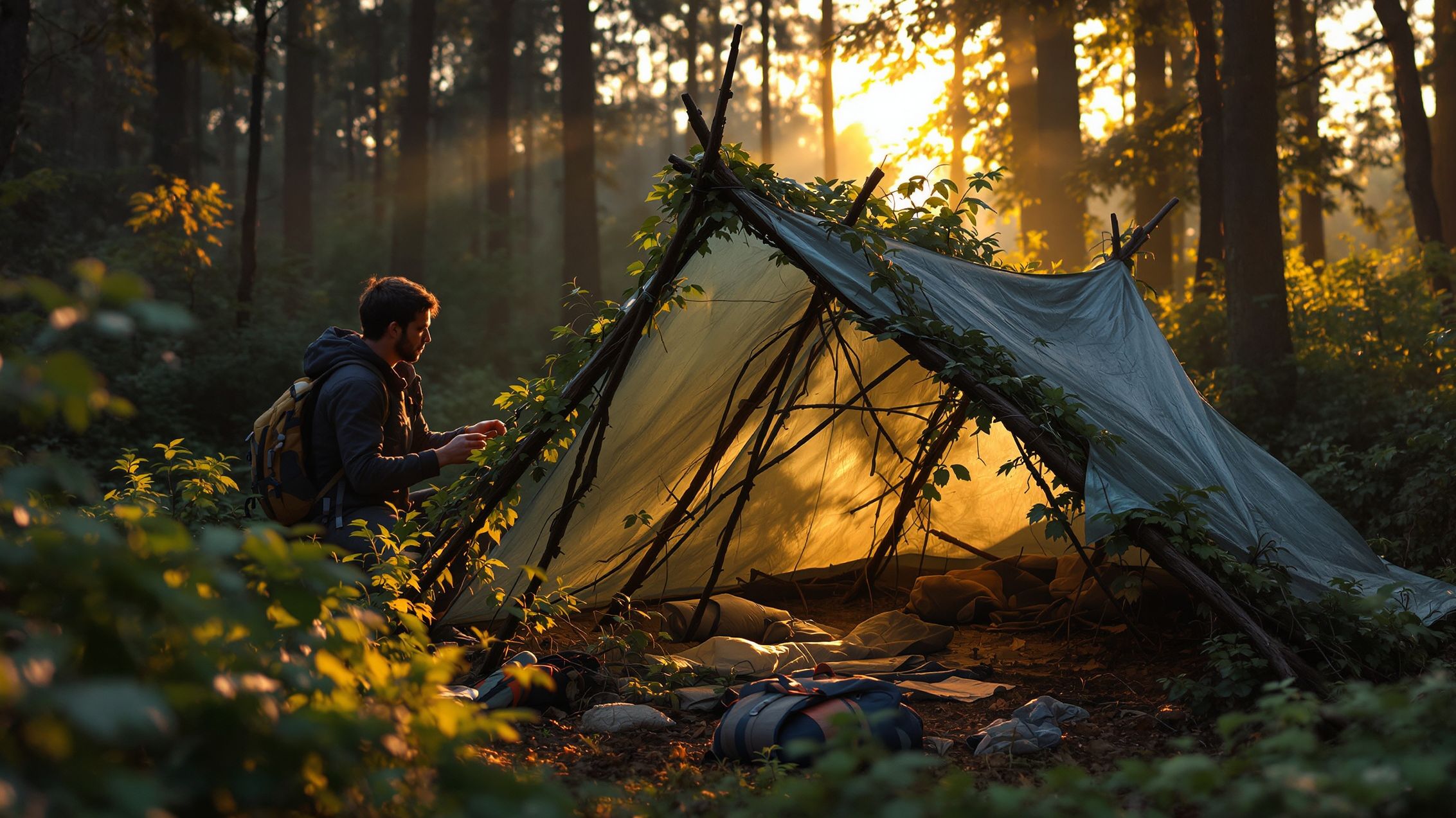
A lean-to, tarp shelter, debris hut, or tent blocks wind and helps trap warmth. In survival situations, building shelter before darkness arrives is critical. Once temperatures drop at night, everything becomes harder.
Ground insulation matters just as much as overhead protection. Sleeping directly on cold soil drains body heat quickly. Use dry leaves, pine needles, evergreen branches, or a sleeping pad to create a barrier between your body and the ground.
The goal of shelter is simple: reduce exposure and hold warmth where it matters most.
Fire as a Survival Tool
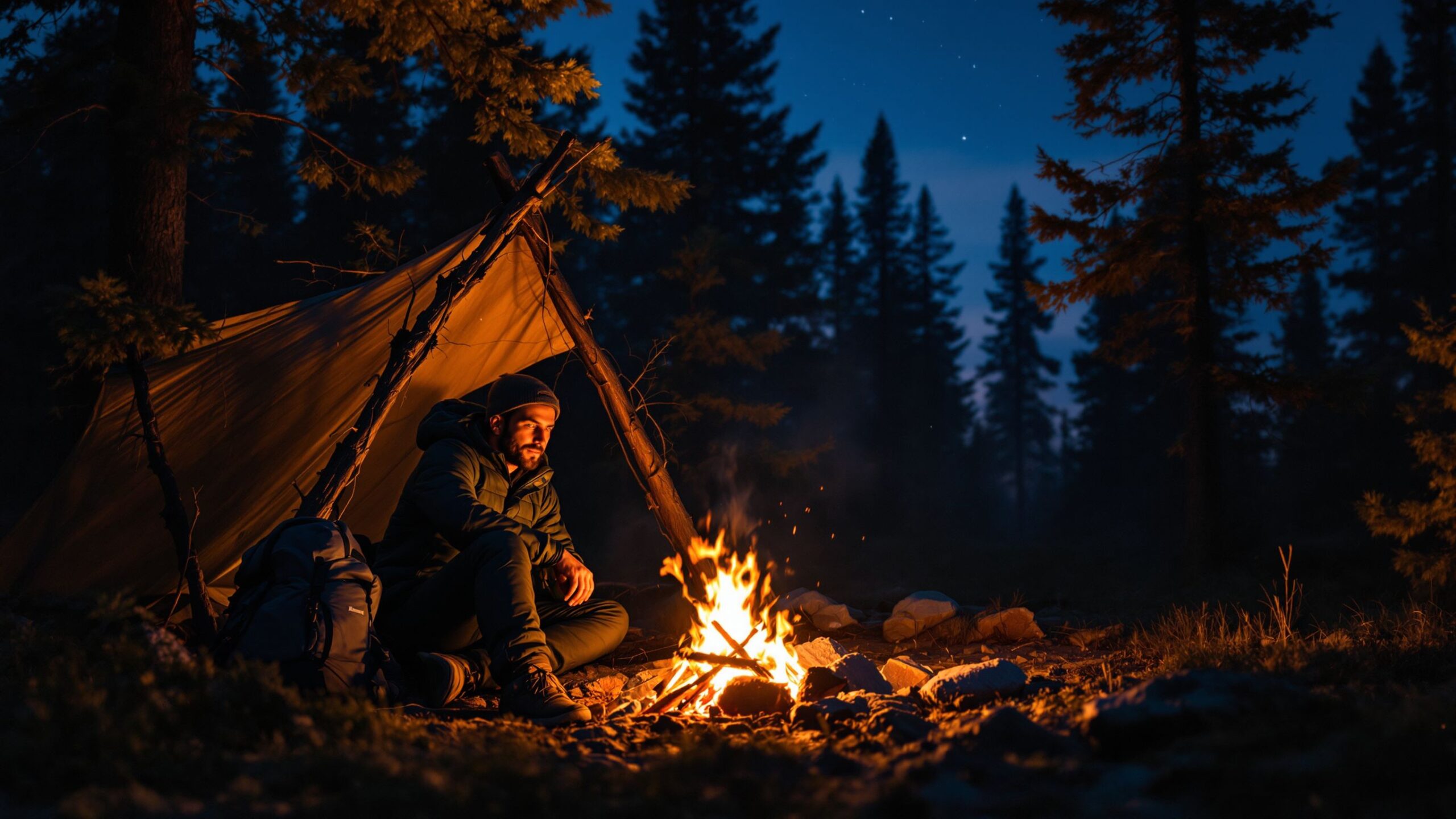
A properly built fire provides warmth, light, comfort, and the ability to dry wet clothing. In cold wilderness conditions, fire becomes one of the most valuable tools you can create.
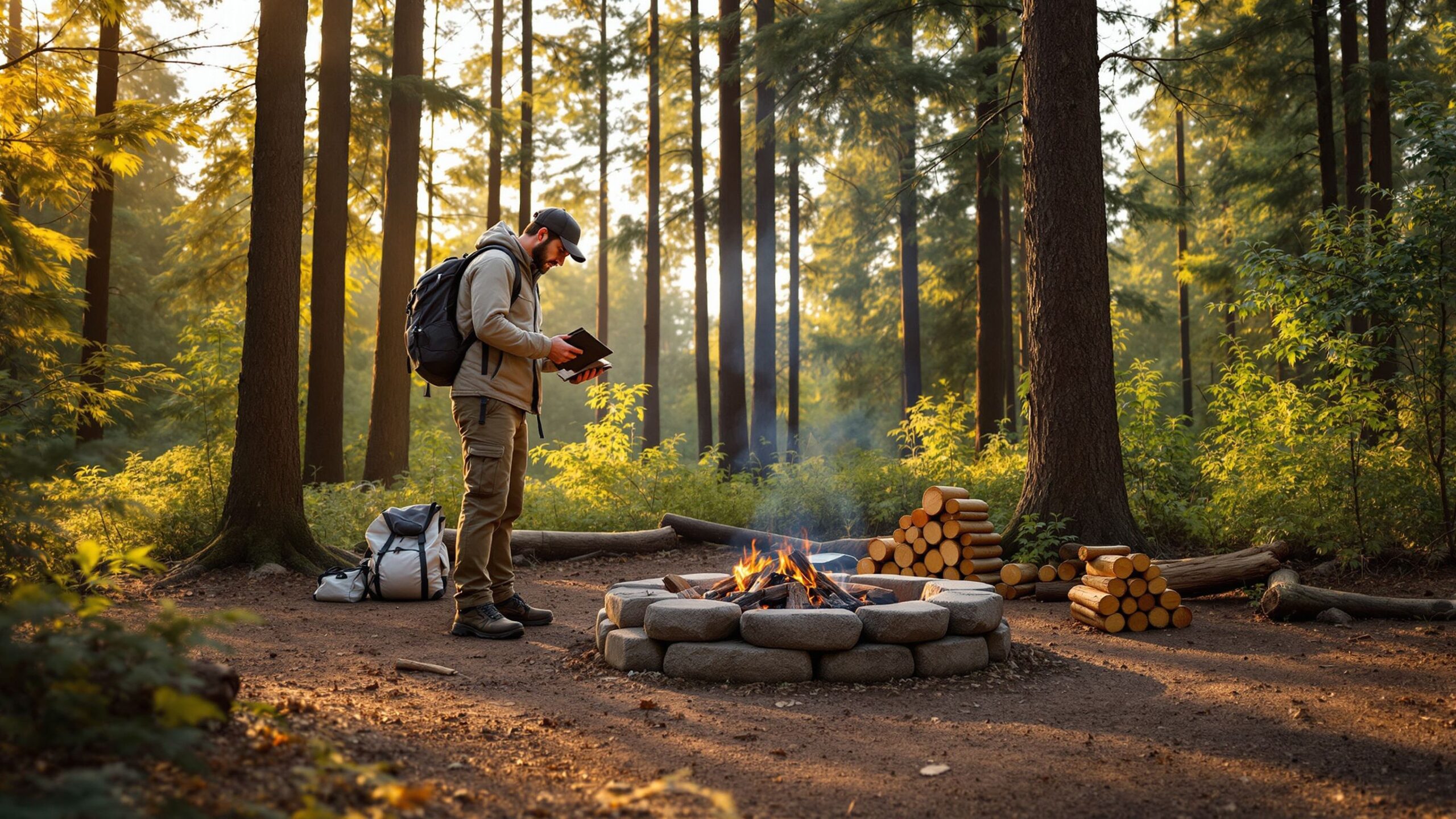
Start with dry tinder, kindling, and fuel gathered before temperatures drop. Wet wood wastes energy and creates frustration, so preparation matters. If possible, use an existing fire ring or safe cleared area away from dry brush and tents.
A small controlled fire is usually better than a large dramatic blaze. Large fires burn through fuel quickly and create unnecessary risk. Steady coals provide better long-term warmth and are more useful for cooking.
Always follow local fire restrictions and fully extinguish the fire before leaving or sleeping.
Eat Enough Food to Fuel Warmth
Your body creates heat by burning energy. When you are cold, you need more fuel. Skipping meals during outdoor activity weakens your body’s ability to stay warm.
Foods rich in calories, fats, and carbohydrates help maintain body temperature. Nuts, trail mix, oatmeal, peanut butter, jerky, and warm soups are excellent wilderness choices because they provide energy without requiring complicated preparation.
Hot drinks also improve both warmth and morale. Warm water, tea, or soup can make a huge psychological and physical difference after hours in the cold.
In survival situations, food is not only about hunger—it helps power the heat your body depends on.
Stay Hydrated Even in Cold Weather
People often forget hydration when the weather feels cold, but dehydration makes it harder for your body to regulate temperature. Cold air can be dry, and physical effort like hiking or gathering firewood still causes fluid loss.
Many people drink less because they do not feel thirsty, but the body still needs water to function properly. Warm drinks are often easier to consume and provide both hydration and comfort.
Avoid excessive alcohol in wilderness situations. While it may create the feeling of warmth, it actually increases heat loss and reduces judgment, making cold-weather risks worse.
Water is part of warmth, even when snow surrounds you.
Move Carefully to Generate Heat
Physical movement helps create body heat, but it must be balanced carefully. Light activity like walking, gathering wood, or building shelter improves circulation and keeps your body warm.
Overexertion creates sweat, and sweat becomes dangerous in the cold. Once clothing becomes damp, body heat disappears quickly. The goal is steady movement, not exhaustion.
If you begin sweating heavily, remove a layer before continuing. If you stop moving, add insulation again quickly. Managing effort and clothing together is one of the smartest cold-weather survival habits.
Movement should create warmth, not moisture problems.
Stay Dry Above Everything Else
Rain, snow, wet grass, and soaked clothing all increase heat loss. Staying dry is often the single most important rule for wilderness warmth.
Change wet socks immediately. Protect clothing from rain whenever possible. Avoid sitting directly on wet logs or snow-covered ground. Keep sleeping gear dry at all costs.
Even condensation inside a tent or shelter can create problems if ignored. Small amounts of moisture become bigger risks over time, especially overnight.
A dry person in cool weather is often safer than a wet person in mild weather. Dryness changes everything outdoors.
Sleep Smarter in Cold Conditions
Night is when temperatures drop fastest and the body becomes most vulnerable. Preparing for sleep properly helps prevent dangerous heat loss.
Use insulated sleeping bags rated for the expected temperature. Add extra ground insulation beneath you. Wear dry clothing to sleep, not the damp layers used during the day. Loosen tight boots or clothing that restrict circulation.
A hat and dry socks often improve sleep warmth more than people expect. Some campers also warm water and place it safely in a sealed bottle inside their sleeping bag for extra heat.
Never ignore nighttime cold. Many wilderness emergencies become worse after sunset.
Use Natural Windbreaks
Wind steals heat fast. Even if the temperature itself does not seem severe, strong wind can make conditions far colder and more dangerous.
Set camp near natural barriers like rock walls, dense trees, or hillsides that block wind. Build shelters with the entrance facing away from the strongest wind direction. Avoid open ridges where wind exposure increases rapidly.
Wind protection is often overlooked by beginners, but it can matter as much as heavy clothing or fire.
Warmth is easier to keep than to replace.
Know the Signs of Hypothermia
Recognizing hypothermia early can prevent serious emergencies. Shivering is usually the first warning sign, followed by fatigue, numb hands, slurred speech, poor balance, and confusion.
As hypothermia worsens, people may stop shivering entirely, which is a dangerous sign. Judgment becomes impaired, making self-rescue harder.
If someone shows symptoms, focus on shelter, dry clothing, warm drinks, food, and safe heat sources. Do not ignore mental confusion in cold conditions—it is often one of the strongest warning signs.
Awareness saves lives in the wilderness.
Final Thoughts on Staying Warm Outdoors
The best ways to stay warm in the wilderness come down to preparation, awareness, and simple survival habits. Warmth is not created by luck. It comes from smart layering, dry clothing, shelter building, careful movement, fire management, and respect for changing weather.
Cold conditions challenge even experienced hikers, but beginners who understand the basics can stay safe and confident outdoors. The goal is not to fight nature—it is to work with it by protecting your body’s natural ability to stay warm.
A dry pair of socks, a small fire, a well-built shelter, and a calm mindset often matter more than expensive gear. Survival skills are built from small decisions made early.
In the wilderness, warmth is security. Learning how to protect it turns every outdoor adventure into a safer and far more enjoyable experience.