Venturing into the wilderness is one of the most rewarding ways to reconnect with nature, challenge yourself, and experience true freedom. But with that freedom comes responsibility. When you step beyond the reach of immediate medical care, even minor injuries can quickly escalate into serious situations. Wilderness first aid is not just a skill—it’s a mindset. It teaches you how to stay calm under pressure, think creatively, and use the resources around you to protect yourself and others. Whether you are hiking, camping, backpacking, or exploring remote landscapes, understanding the fundamentals of wilderness first aid can make the difference between a manageable incident and a life-threatening emergency.
A: It is basic emergency care used when professional help may be delayed by distance, terrain, or weather.
A: No, but they need a practical kit with wound care, blister care, wraps, gloves, and emergency basics.
A: Make sure the scene is safe, check the person’s condition, and call or signal for help if needed.
A: Stop early, clean and dry the area, pad the hot spot, and reduce friction before it worsens.
A: Turn around for worsening weather, injury, illness, lost route, low daylight, or unsafe group fatigue.
A: Thirst, dark urine, headache, dizziness, dry mouth, fatigue, and reduced focus can be warning signs.
A: Keep them still, support the injury, avoid unnecessary movement, and seek evacuation help.
A: Only move them if the area is unsafe or breathing/airway positioning requires it.
A: Share your route, check weather, pack essentials, bring water treatment, and know your exit options.
A: Reading helps, but a hands-on wilderness first aid class is the best way to build real confidence.
Understanding Wilderness First Aid
Wilderness first aid differs significantly from standard first aid practiced in urban environments. In cities or populated areas, emergency services are often minutes away. In the wilderness, help could be hours or even days away. This delay means you must focus not only on immediate care but also on long-term management of injuries and illnesses. Wilderness first aid emphasizes stabilization, prevention of worsening conditions, and safe evacuation planning.
The environment itself becomes a major factor in treatment decisions. Weather, terrain, available supplies, and group dynamics all influence how care is delivered. A sprained ankle on a city sidewalk is inconvenient, but the same injury miles from the nearest trailhead becomes a serious logistical challenge. Wilderness first aid prepares you to adapt, improvise, and prioritize effectively.
The Importance of Preparation
Preparation is the foundation of wilderness safety. Before you even set foot on a trail, your first aid strategy should already be in place. This includes packing the right supplies, understanding the risks associated with your destination, and knowing your own physical limits. Preparation also involves informing someone about your plans, including your route and expected return time.
Mental preparedness is just as critical as physical readiness. Emergencies in remote environments can be stressful and unpredictable. Staying calm, thinking clearly, and maintaining a positive mindset can significantly improve outcomes. The more familiar you are with first aid principles, the more confident and effective you will be in a real situation.
Building a Wilderness First Aid Kit
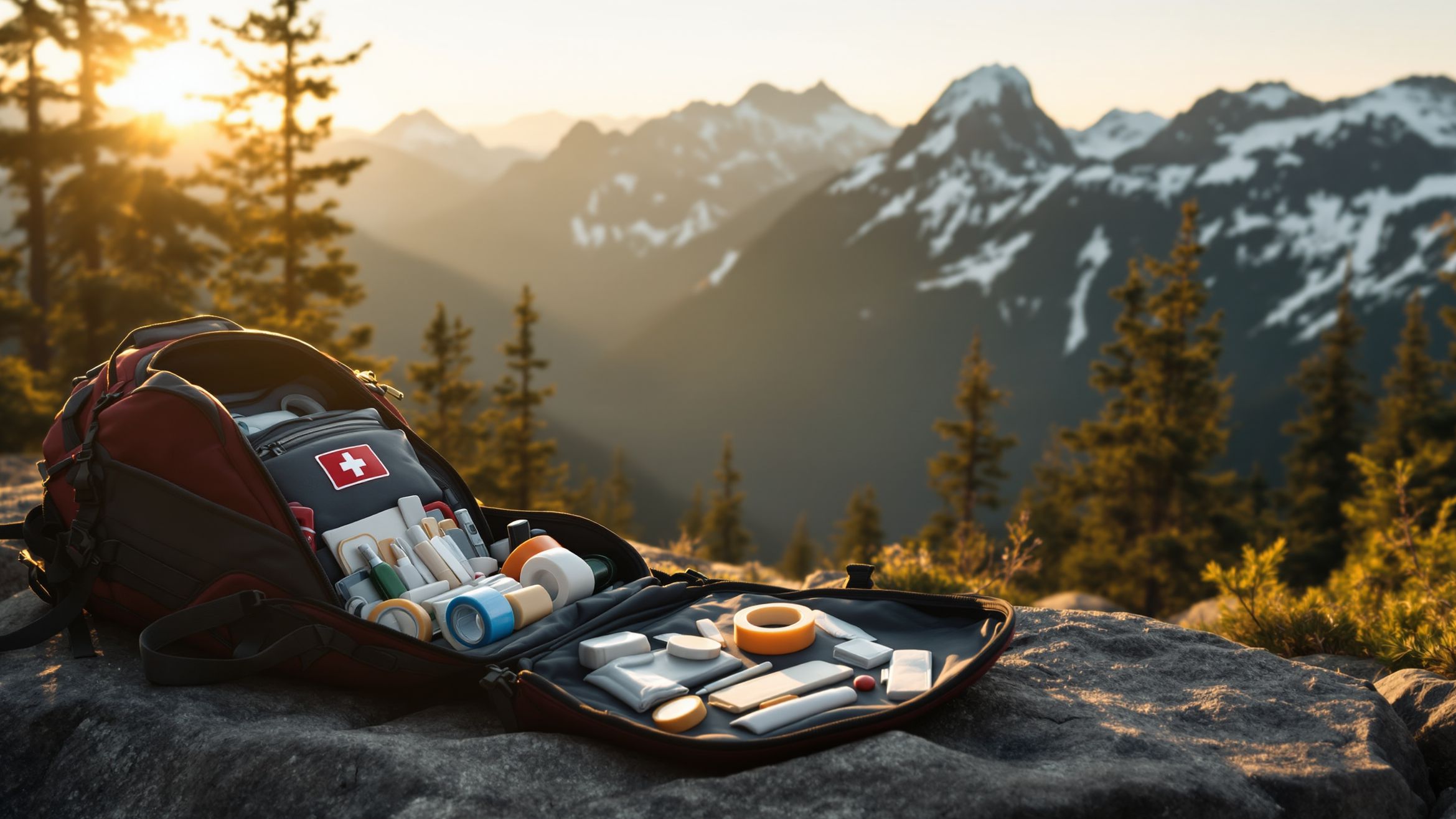
A well-stocked wilderness first aid kit is essential, but it should also be lightweight and practical. Unlike bulky home kits, wilderness kits are designed for portability and versatility. They typically include bandages, gauze, adhesive tape, antiseptic wipes, blister treatment supplies, pain relievers, and tools such as tweezers and small scissors.
However, the true value of your kit lies in your ability to use it creatively. In wilderness settings, items often serve multiple purposes. A bandana can act as a sling, a tourniquet, or a filter. Duct tape can secure splints or repair gear. The goal is not to carry everything you might need but to carry items that can adapt to a variety of situations.
Assessing the Situation
When an injury or illness occurs, your first priority is to assess the scene. Ensure that the environment is safe for both you and the injured person. Hazards such as falling rocks, unstable terrain, or extreme weather conditions must be addressed before providing care.
Next, evaluate the patient using a systematic approach. Check for responsiveness, breathing, and circulation. Look for obvious injuries and ask questions to understand what happened. In wilderness first aid, assessment is ongoing. Conditions can change rapidly, and continuous monitoring is essential.
Treating Common Injuries
In the wilderness, certain injuries are more common than others. Cuts and abrasions are frequent and usually manageable with proper cleaning and bandaging. Preventing infection is crucial, as access to medical treatment may be delayed. Keeping wounds clean and covered helps reduce complications.
Sprains and fractures require stabilization. Improvised splints made from sticks, trekking poles, or other rigid materials can immobilize injured limbs. Elevation and rest are important to reduce swelling and pain. In more severe cases, evacuation may be necessary.
Burns can occur from campfires, cooking equipment, or sun exposure. Cooling the affected area and protecting it from further damage are key steps. Blisters, often caused by friction during hiking, should be treated early to prevent worsening. Proper footwear and regular breaks can help avoid these issues altogether.
Managing Environmental Emergencies
Environmental factors play a major role in wilderness first aid. Hypothermia and heat-related illnesses are among the most serious threats. Hypothermia occurs when the body loses heat faster than it can produce it, leading to dangerous drops in body temperature. Symptoms include shivering, confusion, and fatigue. Treatment involves warming the person gradually, providing dry clothing, and offering warm fluids if possible.
Heat exhaustion and heatstroke result from excessive heat and dehydration. Early signs include dizziness, nausea, and heavy sweating. Cooling the body, providing hydration, and resting in a shaded area are essential steps. Severe cases require immediate evacuation.
Altitude sickness is another concern in mountainous regions. It can cause headaches, nausea, and shortness of breath. Descending to a lower elevation is often the most effective treatment.
Dealing with Wildlife Encounters
Encounters with wildlife are an inherent part of wilderness exploration. While most animals avoid humans, understanding how to respond to bites, stings, or attacks is important. Insect stings can cause allergic reactions in some individuals, requiring prompt attention. Carrying antihistamines or an epinephrine auto-injector, if prescribed, can be lifesaving.
Snake bites, though rare, should be treated seriously. Keeping the affected limb immobilized and seeking medical care as quickly as possible is crucial. Avoid outdated practices such as cutting the wound or attempting to suck out venom.
Navigation and Communication
Getting lost is one of the most common wilderness emergencies. Navigation skills, including map reading and compass use, are essential for prevention. Carrying a GPS device or a smartphone with offline maps can provide additional security, but these tools should not replace fundamental navigation knowledge.
Communication devices such as satellite messengers or personal locator beacons can be invaluable in emergencies. They allow you to call for help even in areas without cell service. However, reliance on technology should be balanced with self-sufficiency and preparedness.
Evacuation and Decision-Making
One of the most challenging aspects of wilderness first aid is deciding when and how to evacuate. Not all injuries require immediate evacuation, but delaying too long can worsen outcomes. Factors such as the severity of the injury, weather conditions, distance to help, and available resources must be considered.
Evacuation plans should be flexible and realistic. In some cases, it may involve assisting the injured person to walk out. In others, it may require building a stretcher or signaling for rescue. Clear communication within your group and careful planning are essential for a successful evacuation.
The Role of Training
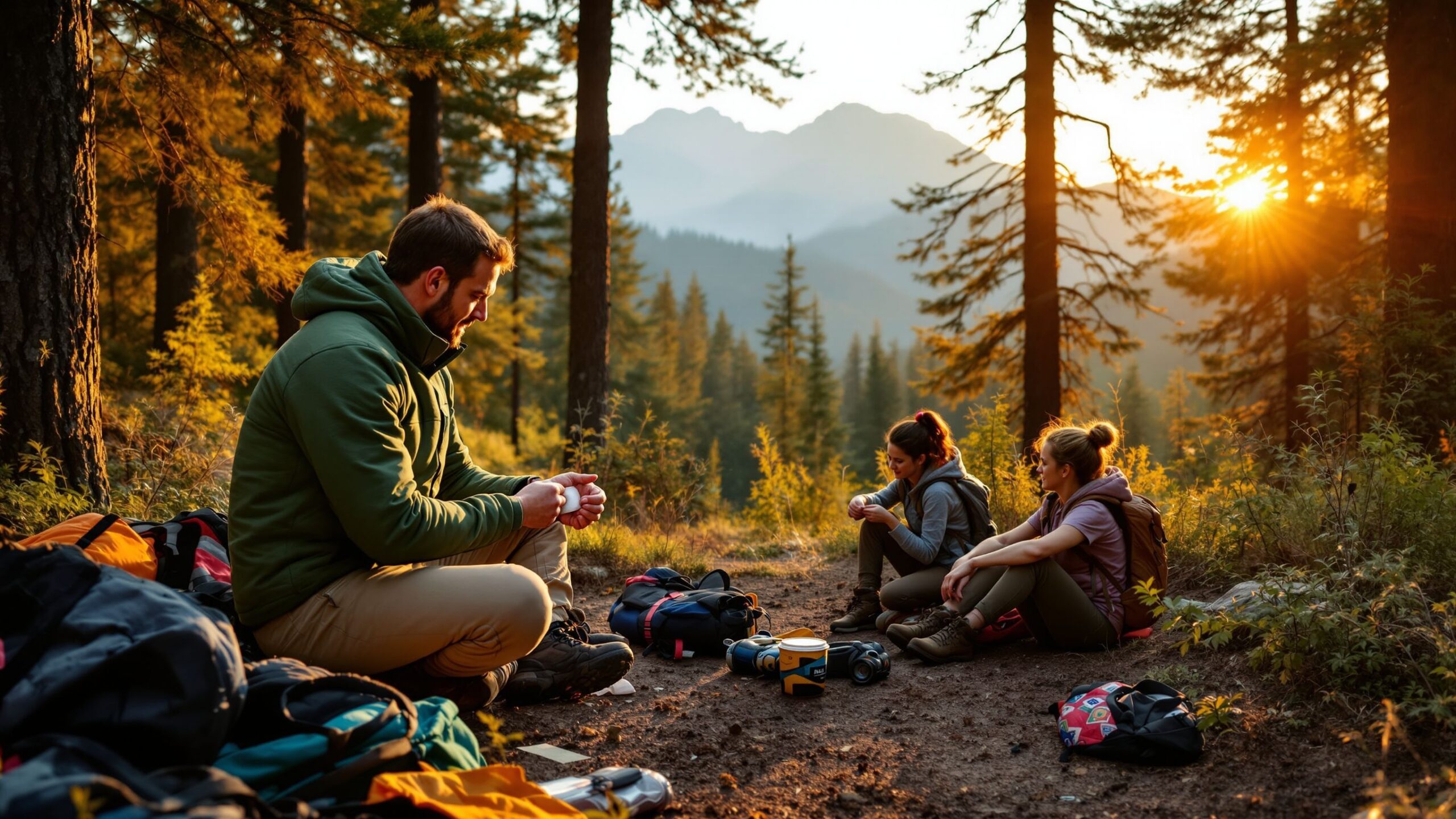
While reading about wilderness first aid is valuable, hands-on training is even more effective. Courses designed for outdoor enthusiasts provide practical experience and build confidence. They teach you how to apply techniques in realistic scenarios, often under time pressure.
Training also helps you develop critical thinking skills. Wilderness first aid is not about memorizing procedures but about understanding principles and adapting them to unique situations. The more you practice, the more intuitive these skills become.
Preventing Emergencies
Prevention is always better than treatment. Many wilderness injuries and illnesses can be avoided with proper planning and awareness. Staying hydrated, wearing appropriate clothing, and pacing yourself during physical activity are simple but effective strategies.
Understanding the environment you are entering is equally important. Researching weather patterns, terrain, and potential hazards allows you to prepare accordingly. Listening to your body and recognizing early signs of fatigue or illness can help you address issues before they escalate.
Building Confidence in the Wilderness
Confidence in the wilderness comes from knowledge, preparation, and experience. The more time you spend outdoors, the more comfortable you become with its challenges. Wilderness first aid is a key component of that confidence, empowering you to handle unexpected situations with clarity and composure.
It also fosters a deeper connection to the environment. When you understand how to care for yourself and others in remote settings, you gain a greater appreciation for the balance between risk and reward. This awareness enhances every outdoor experience, making it safer and more fulfilling.
The Human Element of Wilderness Care
Beyond techniques and tools, wilderness first aid is fundamentally about people. It involves compassion, communication, and teamwork. Supporting an injured person emotionally can be just as important as providing physical care. Reassurance, encouragement, and a calm presence can significantly impact recovery.
Working effectively as a group also plays a crucial role. Assigning tasks, sharing responsibilities, and maintaining clear communication help ensure that everyone contributes to the situation. In challenging moments, collaboration can make all the difference.
Adapting to the Unexpected
No two wilderness emergencies are the same. Each situation presents unique challenges that require flexibility and creativity. Adapting to the unexpected is a core principle of wilderness first aid. It involves using available resources, thinking critically, and making informed decisions under pressure.
Improvisation is often necessary. Whether it’s creating a splint from natural materials or finding shelter in adverse weather, your ability to adapt can determine the outcome. This adaptability is what sets wilderness first aid apart from conventional approaches.
Empowerment Through Knowledge
The wilderness offers unparalleled opportunities for adventure, exploration, and personal growth. But it also demands respect and preparedness. Learning wilderness first aid equips you with the skills and confidence to navigate this environment safely. It transforms uncertainty into capability and fear into readiness.
For beginners, the journey starts with understanding the basics and building a solid foundation. Over time, experience and training will deepen your knowledge and refine your skills. Ultimately, wilderness first aid is not just about responding to emergencies—it’s about embracing the responsibility that comes with exploring the natural world.
When you step into the wilderness prepared, you are not just protecting yourself. You are ensuring that every adventure remains a positive, memorable, and safe experience.