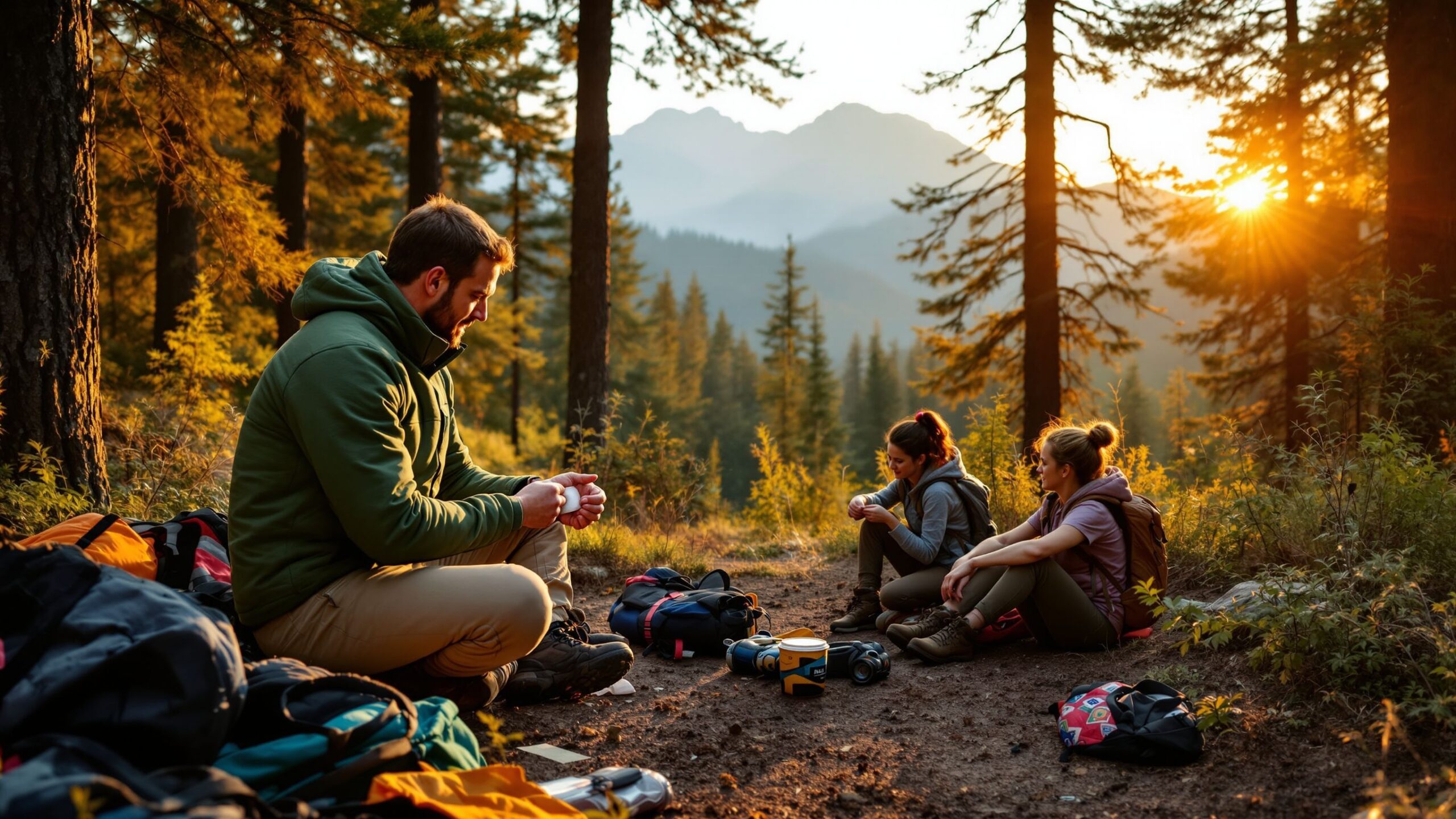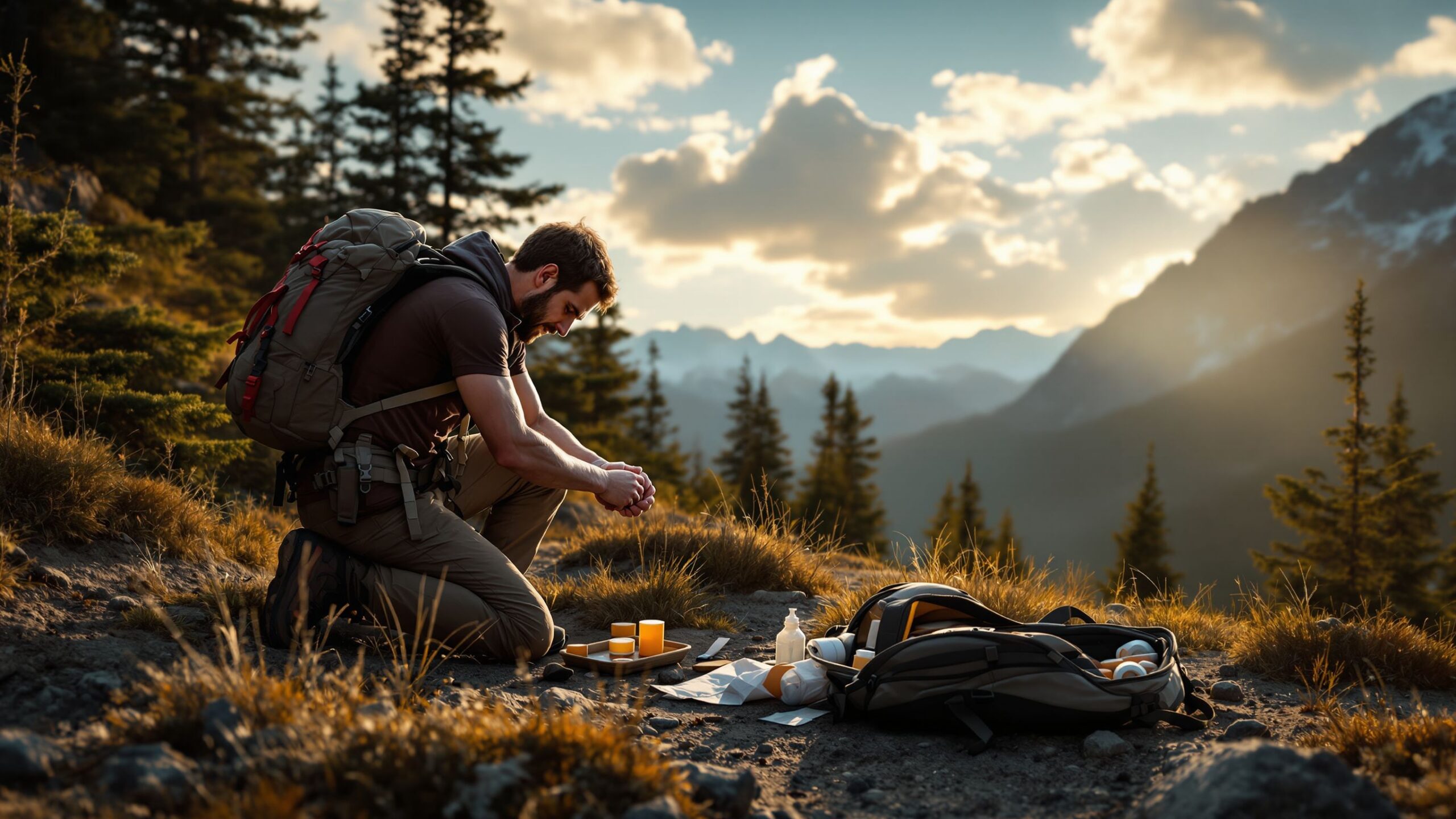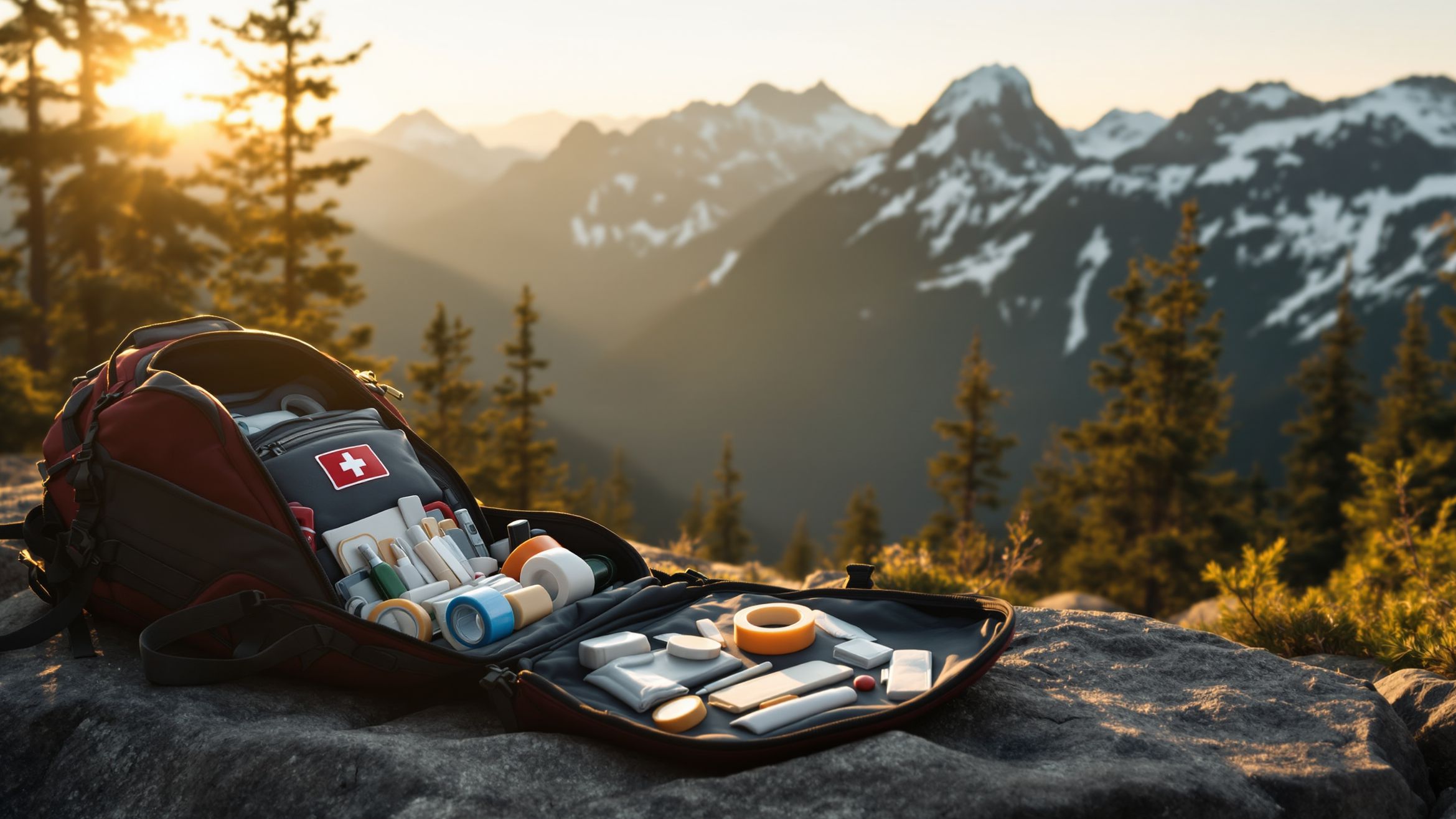
Heading into the wilderness without a well-prepared first aid kit is like setting out on a journey without a map. It may seem manageable at first, but the moment something goes wrong, the lack of preparation becomes immediately clear. A wilderness first aid kit is more than just a collection of supplies—it is your safety net, your problem-solving toolkit, and your first line of defense when injuries or emergencies arise far from help. For hikers, building the right kit is an essential step toward safe and confident exploration. The key to an effective wilderness first aid kit is balance. It must be comprehensive enough to handle common injuries and unexpected situations, yet compact and lightweight enough to carry comfortably over long distances. This guide will walk you through how to build a practical, efficient, and reliable first aid kit tailored specifically for hiking adventures.
A: Include wound care supplies, wraps, blister care, gloves, tools, and emergency basics.
A: It should be large enough for your group and trip length but small enough to carry easily.
A: A lightweight splint is helpful, but you can also improvise using gear if needed.
A: Before every trip and after each use to replace items and check expiration dates.
A: Yes, but only medications you understand and know are safe for your group.
A: Use waterproof bags, dry sacks, or sealed containers inside your pack.
A: Blister care supplies and bandages are used most often on typical hikes.
A: Yes, start with basics and add specialized items as your trips become more advanced.
A: Keep it near the top or in an outer pocket for fast access during emergencies.
A: Training is highly recommended because it helps you use your kit effectively under pressure.
Understanding the Purpose of Your Kit
Before you begin assembling supplies, it is important to understand what your kit is designed to do. In a wilderness setting, your first aid kit is not meant to provide complete medical treatment. Instead, its primary purpose is to stabilize injuries, prevent complications, and support the injured person until they can reach professional care.
This perspective changes how you approach packing. Rather than focusing on quantity, you focus on versatility and effectiveness. Every item in your kit should serve a clear purpose and, ideally, multiple functions. This mindset ensures that your kit remains efficient without becoming unnecessarily heavy.
Choosing the Right Container
The container you choose for your first aid kit plays a significant role in its usability. It should be durable, water-resistant, and easy to access. In outdoor environments, exposure to moisture, dirt, and rough handling is inevitable, so your container must protect its contents effectively.
Organization is equally important. Using compartments or small pouches within the kit helps you locate items quickly during emergencies. When time matters, the ability to find what you need without digging through clutter can make a critical difference.
Visibility is another factor to consider. A brightly colored or clearly marked container ensures that your kit is easy to spot, even in low-light conditions or chaotic situations.
Essential Wound Care Supplies
Cuts, scrapes, and abrasions are among the most common injuries encountered while hiking. Proper wound care is essential to prevent infection and promote healing, especially when access to medical facilities is limited.
Your kit should include a variety of bandages, sterile gauze, and adhesive tape to handle different types of wounds. Antiseptic wipes or solutions are necessary for cleaning injuries, while antibiotic ointments can provide additional protection against infection.
Having multiple sizes and types of dressings allows you to adapt to various situations. A small cut may require only a simple bandage, while a larger wound may need layered gauze and secure wrapping. Flexibility is key when dealing with unpredictable conditions.
Tools That Make a Difference
In addition to basic supplies, certain tools can significantly enhance your ability to provide care. Tweezers are invaluable for removing splinters, ticks, or debris from wounds. Small scissors allow you to cut tape, gauze, or clothing as needed.
A pair of disposable gloves adds an important layer of protection, reducing the risk of contamination for both you and the injured person. A thermometer can help monitor signs of illness, while a small flashlight or headlamp ensures that you can provide care in low-light conditions.
These tools may seem simple, but their impact is substantial. They enable precision, efficiency, and safety in situations where improvisation alone may not be enough.
Medications and Personal Needs
Medications are a critical component of any wilderness first aid kit. Pain relievers can help manage discomfort and keep a situation under control, while antihistamines are useful for allergic reactions.
If you or members of your group have specific medical conditions, personal medications must be included. This may involve carrying extra doses of prescription drugs or emergency treatments. Planning for these needs ensures that you are prepared for both general and individual health concerns.
It is also important to understand how and when to use each medication. Carrying supplies without the knowledge to use them effectively limits their value. Familiarity with your kit is just as important as the items it contains.
Preparing for Blisters and Foot Care
Foot care is a crucial aspect of hiking safety that is often underestimated. Blisters can develop quickly and turn a pleasant hike into a painful ordeal. Addressing hotspots early prevents them from becoming more serious issues.
Your kit should include blister treatment supplies such as moleskin, specialized bandages, or padding materials. Keeping your feet dry and protected is essential for maintaining comfort and mobility throughout your journey.
Regularly checking your feet and making adjustments as needed helps prevent small problems from escalating. In the wilderness, maintaining mobility is vital, and proper foot care plays a significant role in achieving that.
Supporting Injuries with Splinting Materials
Sprains and fractures require immediate stabilization to prevent further damage. While you may not carry a full medical splint, your kit should include materials that can be used for immobilization.
Elastic bandages or wraps are versatile tools for providing support and compression. When combined with natural materials like sticks or trekking poles, they can create effective improvised splints.
The ability to stabilize an injury can make a significant difference in comfort and safety. It allows the injured person to rest while you plan the next steps, whether that involves continuing cautiously or initiating evacuation.
Protecting Against the Elements
Environmental conditions are a major factor in wilderness first aid. Your kit should include items that help protect against heat, cold, and exposure. Emergency blankets are lightweight yet highly effective for retaining body heat in cold conditions.
Sun protection is equally important. Sunscreen and lip balm prevent burns and dehydration, while insect repellent reduces the risk of bites and irritation. These items may not seem like traditional first aid supplies, but they play a crucial role in preventing health issues.
By addressing environmental risks, you reduce the likelihood of emergencies and enhance overall safety during your hike.
Keeping Your Kit Lightweight and Efficient
One of the biggest challenges in building a wilderness first aid kit is avoiding overpacking. It is tempting to include every possible item, but this approach can lead to unnecessary weight and reduced mobility.
Prioritization is key. Focus on items that address the most common and serious risks associated with your hiking environment. Consider the length of your trip, the number of people in your group, and the level of remoteness when deciding what to include.
Efficiency also involves regular review and maintenance. Checking expiration dates, replacing used items, and adjusting your kit based on past experiences ensure that it remains effective and reliable.
Customizing Your Kit for Each Adventure
No two hiking trips are the same, and your first aid kit should reflect that. A short day hike requires different supplies than a multi-day backcountry expedition. Adjusting your kit based on the specific conditions and challenges of each trip enhances its effectiveness.
Factors such as weather, terrain, and group size all influence your needs. For example, a desert hike may require additional hydration support, while a mountainous trek may demand more emphasis on altitude-related concerns.
Customization ensures that your kit is not only prepared but also optimized for the journey ahead.
Learning to Use Your Kit Effectively
A well-stocked kit is only as valuable as your ability to use it. Taking the time to familiarize yourself with each item builds confidence and efficiency. Practicing basic techniques, such as bandaging or splinting, prepares you for real-world scenarios.
Understanding the principles behind first aid allows you to adapt when necessary. In the wilderness, you may need to improvise or modify your approach based on available resources. Knowledge and creativity work together to overcome challenges.
Investing in training or educational resources further enhances your skills. The more prepared you are, the more effectively you can respond to emergencies.
The Role of Prevention in First Aid
Building a first aid kit is only part of the equation. Preventing injuries and illnesses is equally important. Staying hydrated, wearing appropriate gear, and pacing yourself during hikes reduce the likelihood of problems.
Awareness of your surroundings and listening to your body help you identify potential issues early. Addressing minor concerns before they escalate is one of the most effective ways to maintain safety.
Prevention and preparation go hand in hand. Together, they create a strong foundation for successful and enjoyable outdoor experiences.
Prepared for Every Step
A wilderness first aid kit is more than just a collection of supplies—it is a reflection of your commitment to safety and preparedness. By carefully selecting, organizing, and understanding your kit, you equip yourself with the tools needed to handle a wide range of situations.
For hikers, this preparation transforms uncertainty into confidence. It allows you to explore with peace of mind, knowing that you are ready to respond when challenges arise. In the end, building a wilderness first aid kit is not just about what you carry—it is about how you think, plan, and act in the face of the unexpected.
With the right approach, every step you take into the wilderness becomes safer, more enjoyable, and more rewarding.