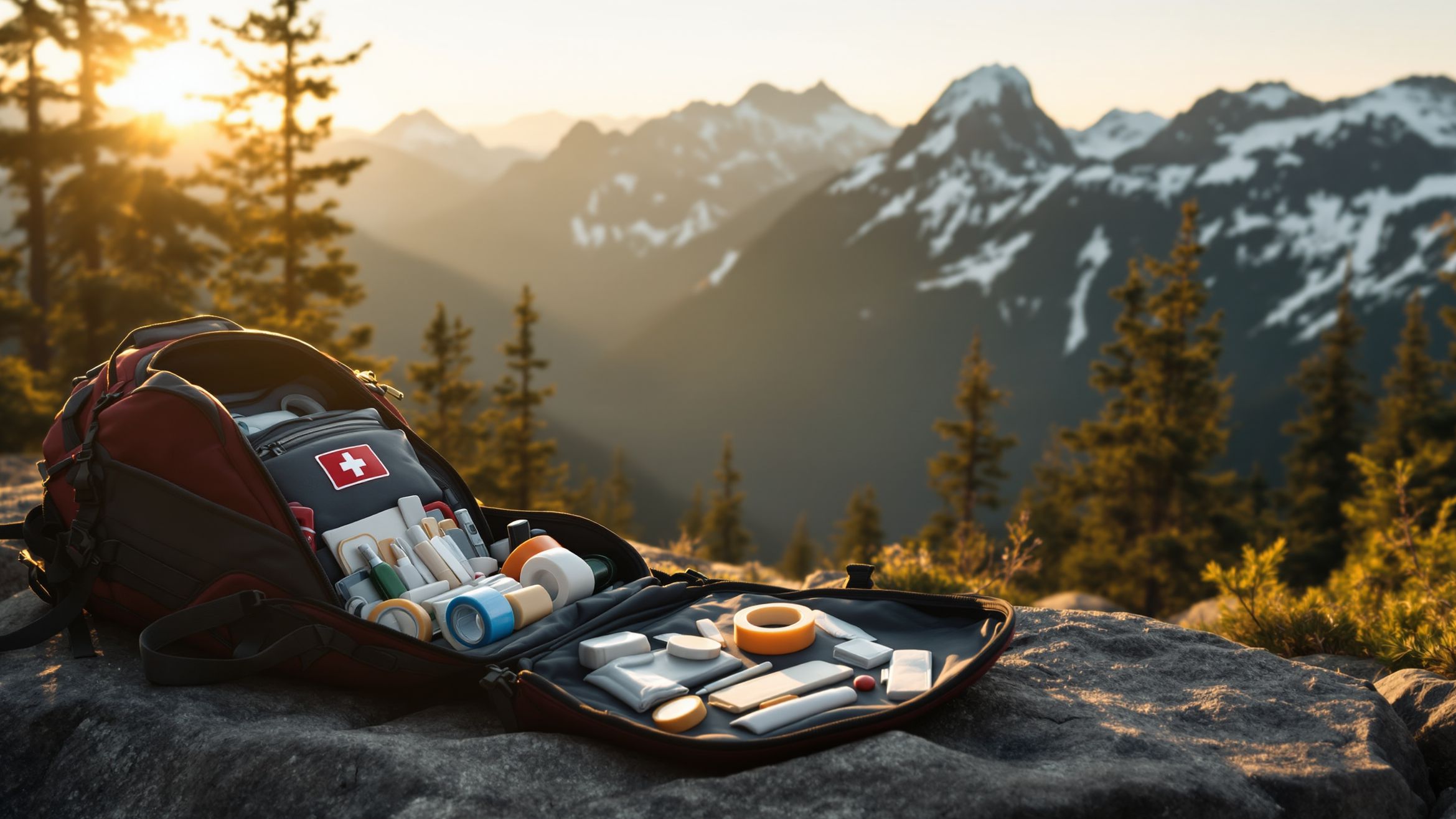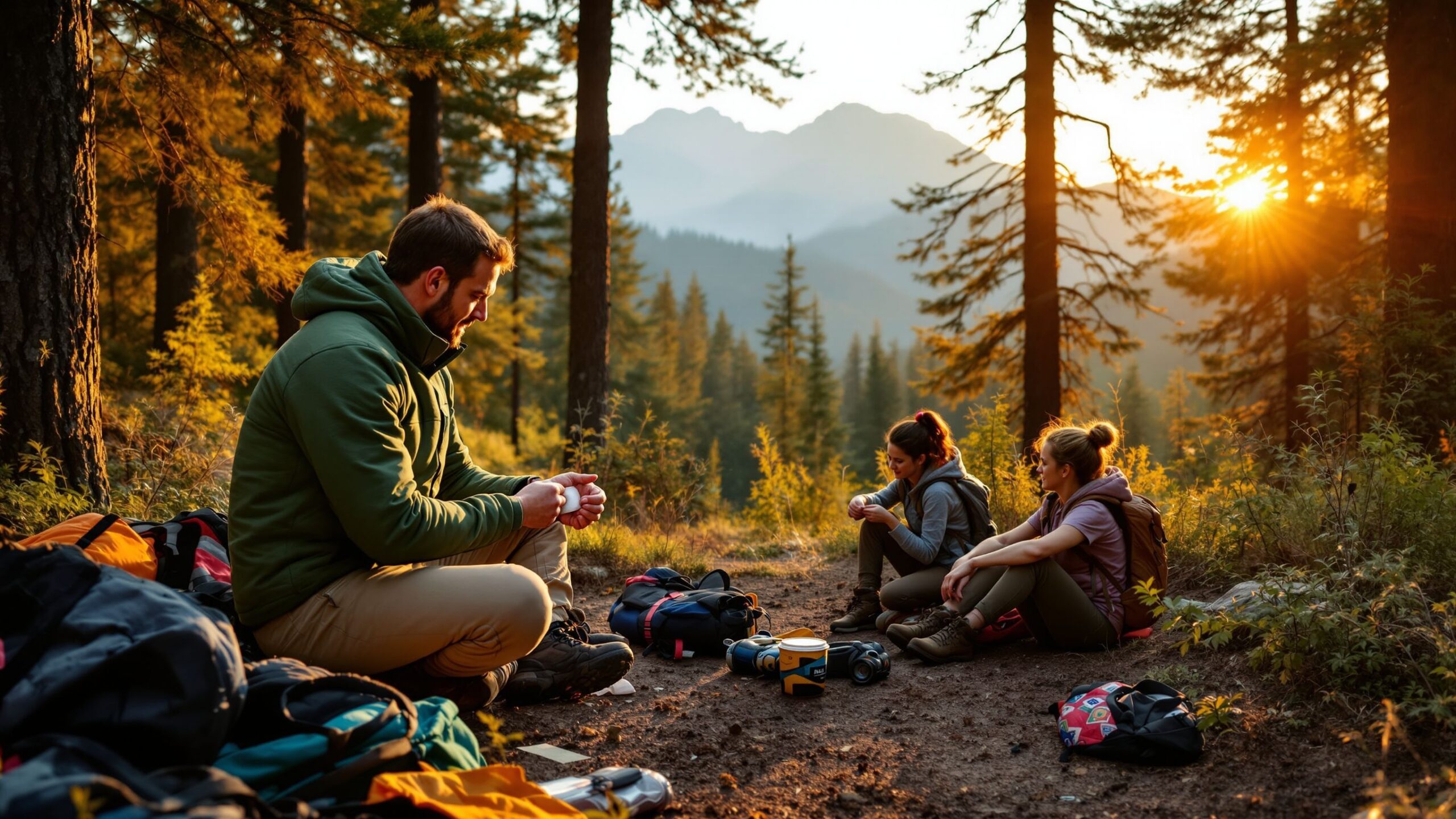
Stepping into the outdoors is an invitation to explore, discover, and challenge yourself in ways everyday life rarely offers. Whether you are hiking deep into forest trails, camping beneath open skies, or trekking across rugged terrain, the wilderness demands both respect and readiness. While the beauty of nature is unmatched, it also presents unpredictable risks. This is where first aid becomes more than a helpful skill—it becomes a vital part of your outdoor experience. For every outdoor explorer, understanding essential first aid skills means being prepared to act when it matters most. In remote environments where help may not arrive quickly, your ability to assess, treat, and stabilize injuries can make a life-changing difference. This guide explores the core first aid skills every outdoor adventurer should know, helping you build confidence, awareness, and readiness for any situation.
A: Staying calm, checking safety, and recognizing life-threatening problems early are the most important first steps.
A: Apply firm direct pressure with clean gauze or cloth and keep pressure steady.
A: Stop activity, support the ankle, reduce swelling, and decide carefully whether walking out is safe.
A: Watch for thirst, headache, dizziness, dry mouth, dark urine, fatigue, or confusion.
A: Shivering, clumsiness, slurred speech, confusion, tiredness, and cold skin can be warning signs.
A: Avoid popping it when possible; protect it, reduce friction, and keep it clean.
A: Monitor closely and seek help for confusion, vomiting, worsening headache, fainting, or unusual behavior.
A: Call when someone cannot safely walk out, has severe pain, serious bleeding, breathing trouble, or worsening symptoms.
A: Training is strongly recommended because hands-on practice builds confidence for real emergencies.
A: Carry a first aid kit, water, layers, navigation, light, food, whistle, and emergency communication plan.
The Foundation of Outdoor First Aid Awareness
The first and most important skill in any emergency is awareness. Before you treat an injury, you must understand the situation. In outdoor environments, this begins with observing your surroundings. Hazards such as unstable terrain, sudden weather changes, or wildlife presence can escalate an already difficult situation if not addressed immediately.
Awareness also includes recognizing when something is wrong. Subtle signs like fatigue, dizziness, or discomfort can be early indicators of more serious conditions. By paying attention to both your environment and the people around you, you can often prevent emergencies before they fully develop.
Remaining calm is equally critical. Panic can cloud judgment and lead to poor decisions. A calm mindset allows you to think clearly, prioritize actions, and provide effective care. This mental discipline is one of the most powerful tools you can carry into the wilderness.
Assessing Injuries with Confidence
Once you identify an issue, the next step is assessing the injury. This involves checking responsiveness, breathing, and circulation while looking for visible signs of trauma. In outdoor settings, this process must be both thorough and efficient.
Communication plays a key role during assessment. Asking simple questions helps you understand what happened and how the person is feeling. It also reassures the injured individual, reducing anxiety and building trust. In many cases, clear communication can reveal important details that guide your next steps.
Assessment is not a one-time action. Conditions can change rapidly, especially in remote environments. Continuously monitoring the situation ensures that you can respond quickly if symptoms worsen or new issues arise.
Treating Cuts, Scrapes, and Wounds
Minor wounds are among the most common injuries in outdoor activities. While they may seem insignificant, improper care can lead to infection, which becomes a serious concern when far from medical facilities.
Cleaning the wound is the first priority. Removing dirt and debris helps prevent complications. Once clean, covering the wound with a sterile dressing protects it from further contamination. Keeping the area dry and monitoring it regularly are essential steps in ensuring proper healing.
Even simple injuries require attention in the wilderness. A small cut can become a major problem if ignored. By treating wounds promptly and carefully, you reduce the risk of infection and keep the situation under control.
Stabilizing Sprains and Fractures
Injuries to muscles and bones can significantly impact mobility, making them particularly challenging in outdoor environments. Sprains and fractures often occur due to uneven terrain, slips, or falls.
Stabilization is the primary goal when dealing with these injuries. Keeping the affected area still prevents further damage and reduces pain. Improvised splints using items like sticks, trekking poles, or clothing can provide effective support until proper care is available.
Rest is essential for recovery. Continuing to move on an injured limb can worsen the condition and complicate evacuation efforts. Recognizing when to stop and prioritize safety is a critical decision every outdoor explorer must be prepared to make.
Managing Burns and Blisters
Burns can result from campfires, cooking equipment, or prolonged sun exposure. Immediate cooling of the affected area helps minimize damage and relieve pain. Protecting the burn with a clean covering prevents infection and supports healing.
Blisters, though less severe, can quickly become debilitating if not treated early. They are often caused by friction during long hikes. Addressing hotspots before they develop into blisters is the best prevention strategy. Proper footwear, moisture control, and regular breaks play a key role in avoiding this common issue.
Taking care of your skin is an often-overlooked aspect of first aid. In the wilderness, even small irritations can impact your ability to continue safely.
Responding to Environmental Emergencies
Environmental conditions can pose serious threats to outdoor explorers. Hypothermia, heat exhaustion, and dehydration are among the most common and dangerous issues.
Hypothermia occurs when the body loses heat faster than it can produce it. Recognizing early signs such as shivering and confusion allows for timely intervention. Warming the person gradually and providing dry clothing are essential steps.
Heat-related illnesses, on the other hand, result from excessive heat and fluid loss. Symptoms like dizziness, nausea, and fatigue should not be ignored. Cooling the body and rehydrating are critical actions to prevent more severe conditions.
Understanding how the environment affects the body is key to staying safe. By recognizing symptoms early and responding appropriately, you can prevent these conditions from becoming life-threatening.
Handling Allergic Reactions and Bites
Outdoor environments expose you to insects, plants, and animals that can cause allergic reactions or injuries. Insect stings are common and usually mild, but some individuals may experience severe reactions that require immediate attention.
Recognizing symptoms such as swelling, difficulty breathing, or hives is crucial. Having access to appropriate medication, such as antihistamines or prescribed emergency treatments, can be lifesaving.
Animal bites and scratches also require careful handling. Cleaning the wound and monitoring for signs of infection are essential steps. Understanding how to respond calmly and effectively ensures that these encounters do not escalate into serious problems.
Navigation and Emergency Planning
First aid is not limited to treating injuries. It also includes preventing situations that lead to emergencies. Navigation skills are a fundamental part of outdoor safety. Knowing how to read a map, use a compass, and understand your surroundings reduces the risk of getting lost.
Emergency planning involves preparing for unexpected situations. This includes carrying essential supplies, understanding your route, and having a clear plan for evacuation if needed. Communication tools, such as emergency beacons, can provide an additional layer of security.
Preparation and awareness work hand in hand. By planning ahead and staying alert, you significantly reduce the likelihood of emergencies.
Making Smart Evacuation Decisions
Knowing when to evacuate is one of the most important decisions in wilderness first aid. Some situations can be managed on-site, while others require immediate action.
Factors such as the severity of the injury, distance to help, and environmental conditions all influence this decision. Evacuation may involve assisting someone to walk, creating a support system, or signaling for rescue.
Clear thinking and careful planning are essential during this process. Acting too quickly or delaying too long can both have serious consequences. Finding the right balance is a skill that develops with experience and knowledge.
The Role of Practice and Training
While reading about first aid is valuable, hands-on practice is what truly builds confidence. Training courses provide real-world scenarios that help you apply what you have learned. They also teach you how to adapt to different situations and think critically under pressure.
Practice reinforces knowledge and prepares you for unexpected challenges. The more familiar you are with first aid techniques, the more effectively you can respond in real situations. Continuous learning is an important part of becoming a capable and confident outdoor explorer.
Building a Safety-First Mindset
First aid skills are most effective when combined with a safety-first mindset. This means making decisions that prioritize well-being over convenience or ambition. Knowing your limits, respecting the environment, and staying aware of potential risks all contribute to safer outdoor experiences.
Confidence in the wilderness comes from preparation and knowledge. When you understand how to handle emergencies, you are better equipped to enjoy your adventures without unnecessary worry.
Conclusion: Confidence Through Preparation
Outdoor exploration offers incredible opportunities for adventure, growth, and connection with nature. However, it also requires responsibility and readiness. Essential first aid skills empower you to handle challenges with confidence and clarity.
By learning how to assess injuries, provide care, and make informed decisions, you become a more capable and prepared explorer. These skills not only protect you but also those around you, creating a safer and more enjoyable outdoor experience for everyone.
In the end, first aid is about more than responding to emergencies. It is about being prepared, staying aware, and embracing the responsibility that comes with exploring the natural world.