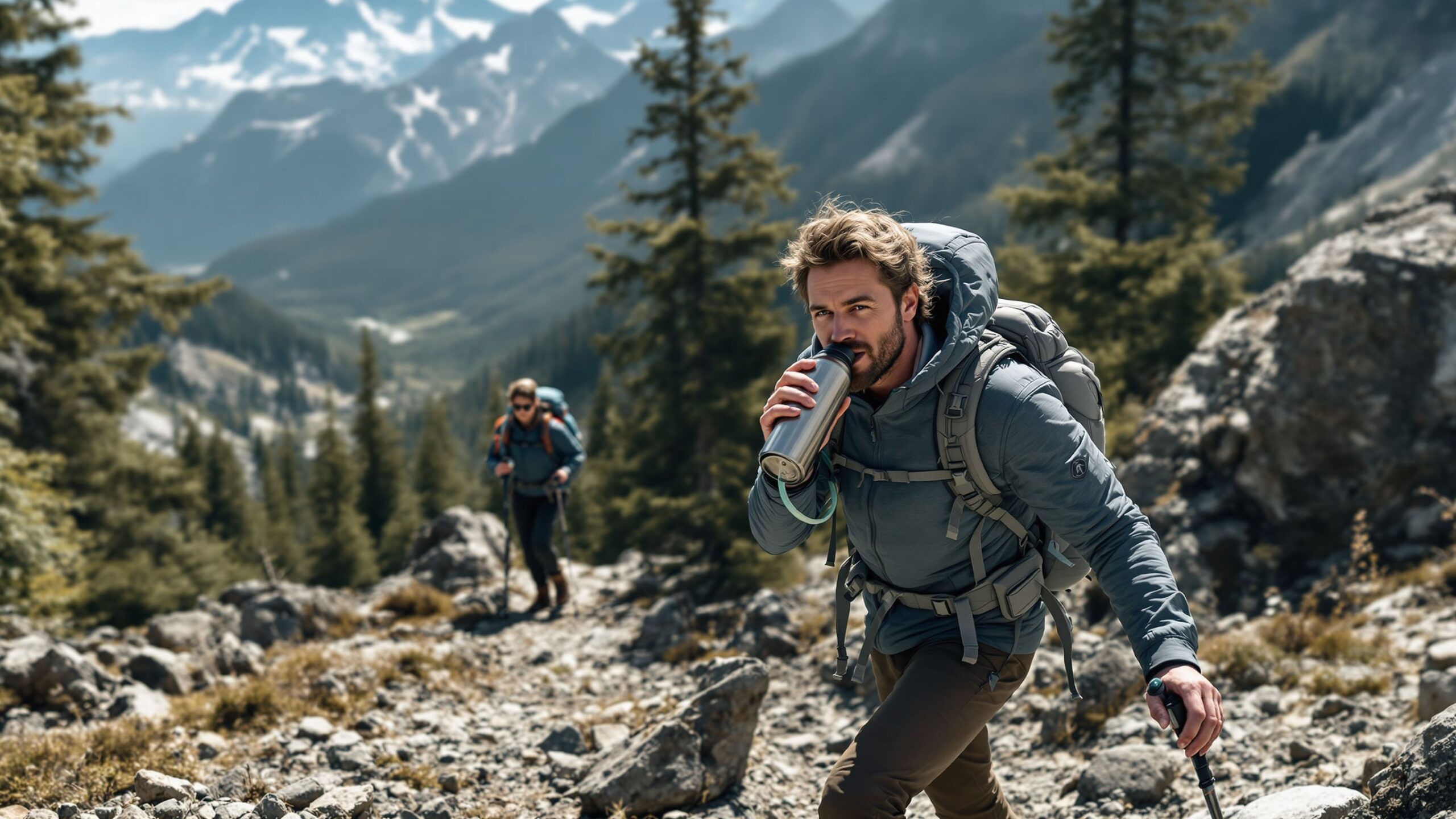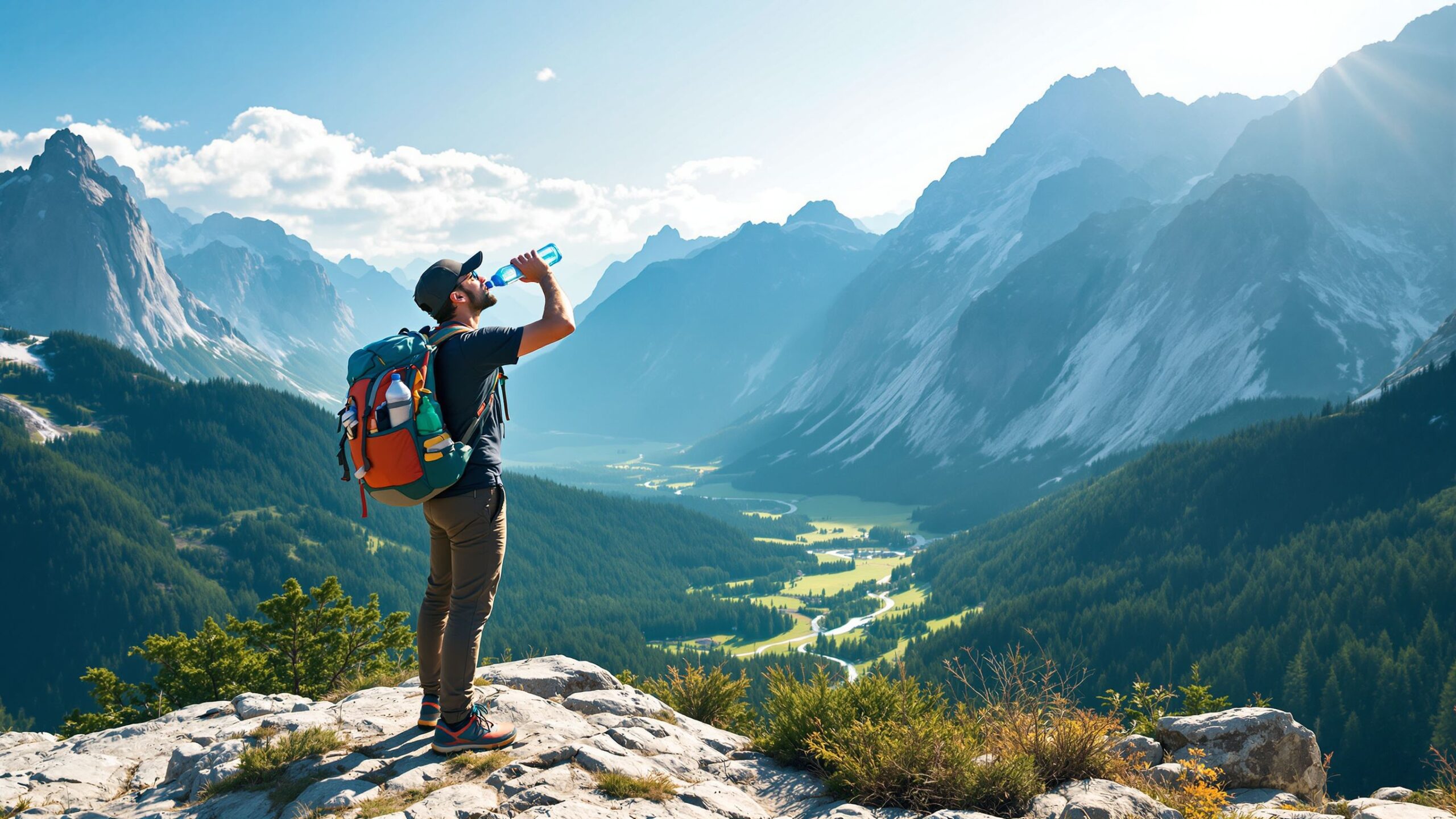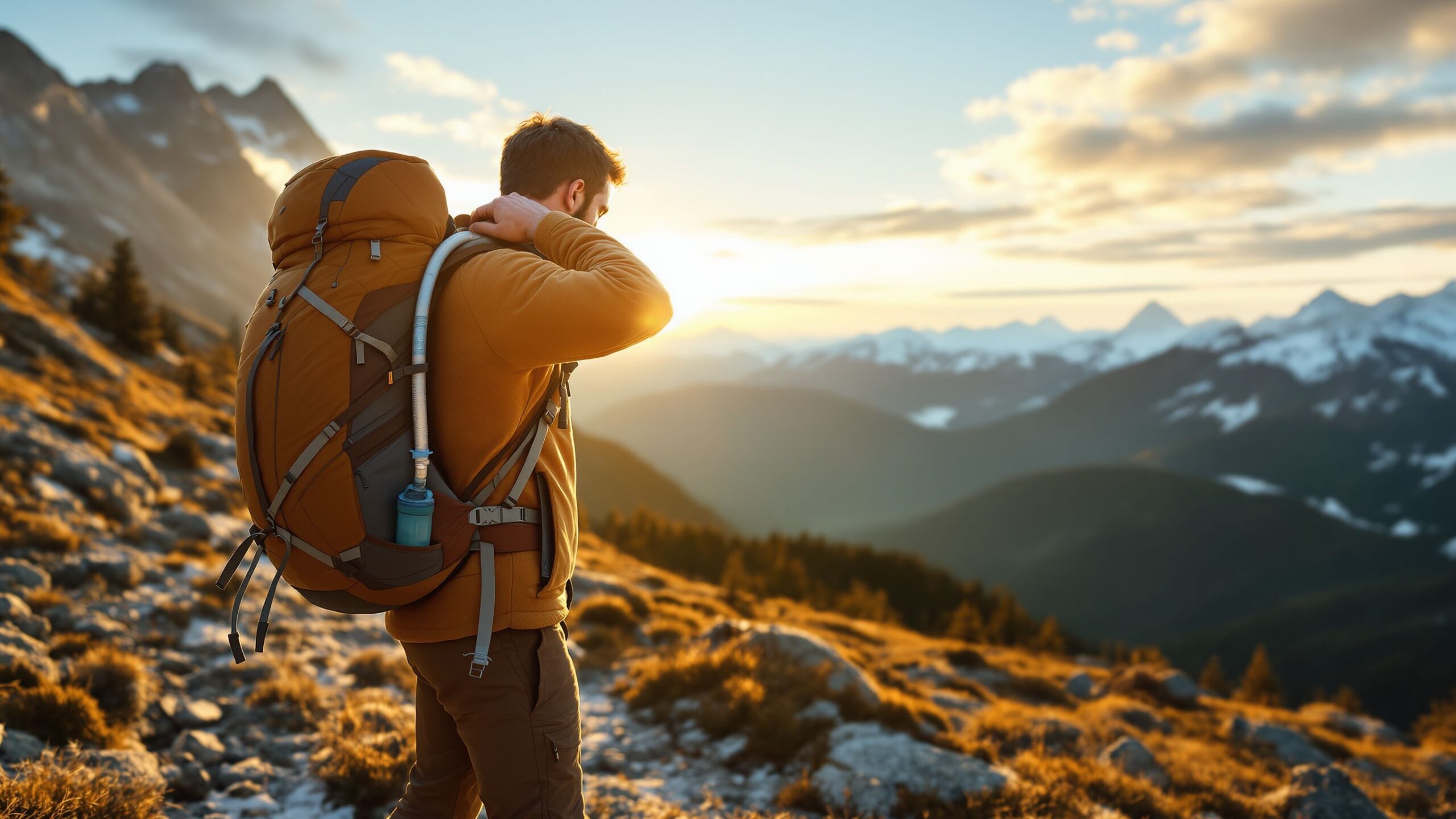
Hydration is the silent force behind every successful hike and backpacking journey, shaping your endurance, focus, and overall experience on the trail. When you step into the wilderness, your body immediately begins working harder than it does in daily life, burning energy, regulating temperature, and steadily losing fluids. Without proper hydration, even the most scenic trail can become physically draining and mentally overwhelming. Choosing the right hydration system is not just about convenience, it is about building a reliable foundation that supports every step of your adventure. Modern hikers have more options than ever before, ranging from simple water bottles to advanced hydration reservoirs and integrated filtration systems. Each type of system offers unique advantages, and understanding how they fit into different environments and hiking styles is essential. The goal is not to find a one size fits all solution, but to create a hydration strategy that aligns with your route, your pace, and your personal comfort.
A: A bladder is easier for constant sipping, while bottles are simpler to clean, measure, and refill.
A: Many hikers carry 1.5 to 3 liters, but heat, distance, elevation, and water access matter most.
A: Yes, it is safest to filter, boil, or chemically treat natural water before drinking.
A: Check the bite valve, hose connection, cap seal, and quick-disconnect fitting before each hike.
A: Rinse after every trip and deep clean regularly, especially after using electrolyte or flavored mixes.
A: Yes, but plain water is cleaner; drink mixes require more thorough cleaning afterward.
A: A 2 or 3-liter reservoir works well, often paired with bottles or extra camp storage.
A: Use insulation, keep bottles inside your pack, sip often, and blow water back through the hose.
A: Lightweight plastic bottles and collapsible bags are usually lighter than heavy insulated bottles.
A: Yes, tablets or drops are small, light, and helpful if a filter clogs or fails.
Why Proper Hydration Is Essential on the Trail
Every movement on the trail requires energy, and every ounce of energy depends on hydration. Your body uses water to regulate temperature, transport nutrients, and maintain muscle performance. As you hike, especially under the sun or at higher elevations, your fluid loss increases rapidly. Sweat evaporates, breath carries moisture away, and the physical effort of climbing and navigating terrain accelerates dehydration.
Even mild dehydration can begin to affect your performance before you fully notice it. You may feel slower, less focused, or more fatigued than usual. Over time, these small effects can compound, increasing the risk of poor decisions or physical strain. In more extreme cases, dehydration can lead to heat exhaustion or more serious conditions that require immediate attention. Staying consistently hydrated ensures that your body can keep up with the demands of the trail and helps you maintain clarity and control throughout your journey.
Understanding the Different Types of Hydration Systems
Hydration systems have evolved to match the diverse needs of hikers and backpackers, offering solutions for everything from quick day hikes to multi day wilderness expeditions. At the most basic level, these systems fall into several categories, each designed to solve a specific challenge on the trail.
Hydration reservoirs provide a streamlined way to carry water inside your backpack while allowing you to drink through a tube without stopping. This system is ideal for maintaining a steady pace and encourages frequent hydration without disrupting your rhythm. Water bottles remain a dependable and versatile option, valued for their simplicity, durability, and ease of use. Collapsible containers offer lightweight storage for extended trips, shrinking as water is consumed and saving valuable pack space.
Filtration and purification systems add another layer of functionality by allowing hikers to safely collect water from natural sources. Instead of carrying all the water you need from the start, you can refill along your route, significantly reducing pack weight and increasing flexibility. Many hikers combine these systems to create a setup that adapts to changing conditions and terrain.
Hydration Reservoirs and Their Advantages
Hydration reservoirs have become a favorite among hikers who prioritize efficiency and convenience. The ability to sip water without stopping allows for a smoother and more consistent pace, especially on challenging trails where frequent breaks can disrupt momentum. This design naturally encourages more regular hydration, which can make a noticeable difference in energy levels over time.
Reservoirs are designed to fit comfortably inside backpacks, conforming to available space and distributing weight evenly. They often include features such as wide openings for easy filling, detachable hoses for cleaning, and bite valves that control water flow. Capacities typically range from one to three liters, giving hikers flexibility based on the length and intensity of their trip.
Despite their advantages, reservoirs require proper care to remain effective. Cleaning can be more involved than with bottles, and it is important to ensure that hoses and valves are thoroughly dried to prevent buildup. Some hikers also prefer the visibility of water levels that bottles provide, as reservoirs can make it harder to gauge remaining supply without checking directly.
The Enduring Value of Water Bottles
Water bottles continue to hold a strong place in the hiking world because of their reliability and simplicity. They are easy to fill, easy to clean, and durable enough to withstand rugged conditions. Whether made from lightweight plastic or insulated metal, bottles offer a straightforward solution that requires minimal maintenance.
One of the key advantages of water bottles is their compatibility with many filtration systems. This makes them particularly useful for backpackers who rely on natural water sources. Bottles also allow for quick monitoring of water levels, helping hikers plan their intake and avoid running low unexpectedly.
While bottles may not offer the same hands free convenience as reservoirs, they remain a trusted option for hikers who prefer a more traditional approach. Many people choose to carry both a bottle and a reservoir, combining ease of access with reliable backup storage.
Filtration and Purification for Extended Trips
For longer backpacking journeys, hydration is not just about carrying water, it is about sourcing it. Filtration and purification systems make it possible to transform water from streams, lakes, and rivers into safe drinking water. This capability is essential for reducing pack weight and extending travel distances.
Filtration systems typically remove bacteria and protozoa, while purification systems go further by addressing viruses. Options range from compact squeeze filters to larger gravity systems that can process water for groups. Each method offers a balance between speed, convenience, and reliability, allowing hikers to choose based on their specific needs.
Using a filtration system requires awareness of your environment and access to reliable water sources. Planning your route with these factors in mind ensures that you can refill when needed and maintain a steady supply throughout your trip.
Choosing the Right Capacity for Your Adventure
Determining how much water to carry is one of the most important decisions a hiker can make. The right capacity depends on factors such as trail length, climate, elevation, and personal hydration needs. Short hikes may require only a small amount of water, while longer or more demanding routes call for larger reserves.
In hot or dry environments, your water needs increase significantly, and it becomes essential to carry extra or plan for frequent refills. In cooler climates, the risk of dehydration still exists, even if it feels less obvious. Many hikers underestimate their needs in these conditions, leading to gradual fatigue over time.
Balancing weight and availability is key. Carrying too much water can slow you down, but carrying too little can quickly become dangerous. Understanding your route and preparing accordingly allows you to find the right balance for your journey.
Managing Water Temperature in Different Conditions
Temperature plays a subtle but powerful role in hydration. In warm environments, water can quickly become unappealing if it heats up, making it harder to drink consistently. Insulated bottles and hydration sleeves help maintain cooler temperatures, encouraging regular intake and improving overall comfort.
In cold conditions, the challenge shifts to preventing water from freezing. Hydration tubes and valves can become blocked by ice, making reservoirs less practical without proper insulation. Bottles can also freeze, but careful storage and positioning can help keep them usable.
Adapting your hydration system to match the environment ensures that water remains accessible and enjoyable, which in turn supports consistent hydration habits.
Hydration Strategies for Different Environments
Every environment presents its own hydration challenges, and understanding these differences can help you prepare more effectively. In desert regions, water sources are limited, and carrying extra supply becomes essential. Planning ahead and using electrolyte supplements can help maintain balance in extreme heat.
In mountainous areas, cooler temperatures may mask thirst, leading hikers to drink less than they should. Despite the cooler air, the physical effort of climbing and the effects of altitude still demand proper hydration. Staying mindful of your intake helps prevent gradual dehydration.
In humid environments, sweat does not evaporate as efficiently, making it harder for the body to cool itself. This can lead to increased fluid loss and a higher risk of overheating. Drinking regularly and pacing your efforts become especially important in these conditions.
Cleaning and Maintaining Your Hydration System
Proper maintenance is essential for keeping your hydration system safe and effective. Reservoirs should be cleaned and dried thoroughly after each use to prevent mold and bacteria growth. Specialized cleaning tools can help reach hoses and valves, ensuring that every part of the system remains sanitary.
Water bottles are generally easier to maintain, but they still require regular cleaning, especially when used with flavored drinks or supplements. Taking the time to care for your equipment not only protects your health but also extends the lifespan of your gear.
Consistency in maintenance ensures that your hydration system performs reliably every time you head out on the trail.
Combining Systems for Maximum Flexibility
Many experienced hikers find that using a combination of hydration systems offers the best results. A reservoir can provide convenient access to water while hiking, while a bottle serves as a backup or works seamlessly with a filter. Collapsible containers can store additional water at camp, reducing the need for multiple trips to a source.
This flexible approach allows you to adapt to changing conditions and ensures that you always have options. If one system becomes less practical in a given situation, another can take its place, providing a level of reliability that is especially valuable in remote environments.
Building Your Ideal Hydration Setup
Creating the perfect hydration setup is a personal process that depends on your preferences, your environment, and your hiking goals. Some hikers prioritize speed and convenience, while others focus on simplicity and reliability. There is no single right answer, only the solution that works best for you.
Experimenting with different systems and configurations can help you discover what feels most natural and effective. Over time, your setup will evolve, becoming more refined and better suited to the types of adventures you pursue.
Final Thoughts on Staying Hydrated in the Wilderness
Hydration is the foundation of every successful hiking and backpacking experience. It supports your strength, sharpens your focus, and keeps you moving forward even when the trail becomes challenging. By understanding the different hydration systems available and learning how to use them effectively, you can create a strategy that enhances every aspect of your journey.
Out in the wilderness, water is more than just a resource, it is a lifeline. With the right hydration system in place, you can explore farther, hike longer, and fully embrace the beauty and challenge of the natural world with confidence and ease.