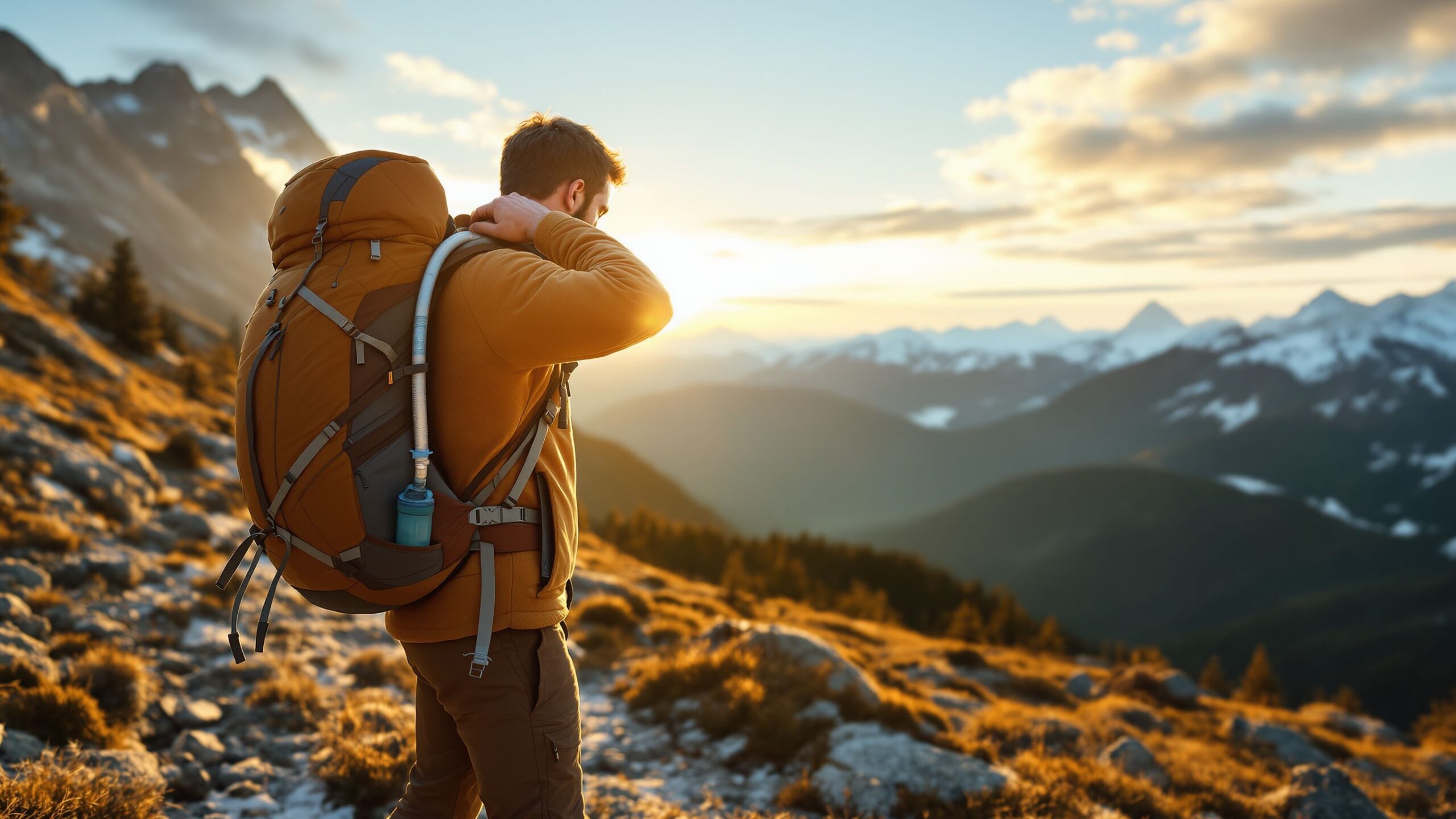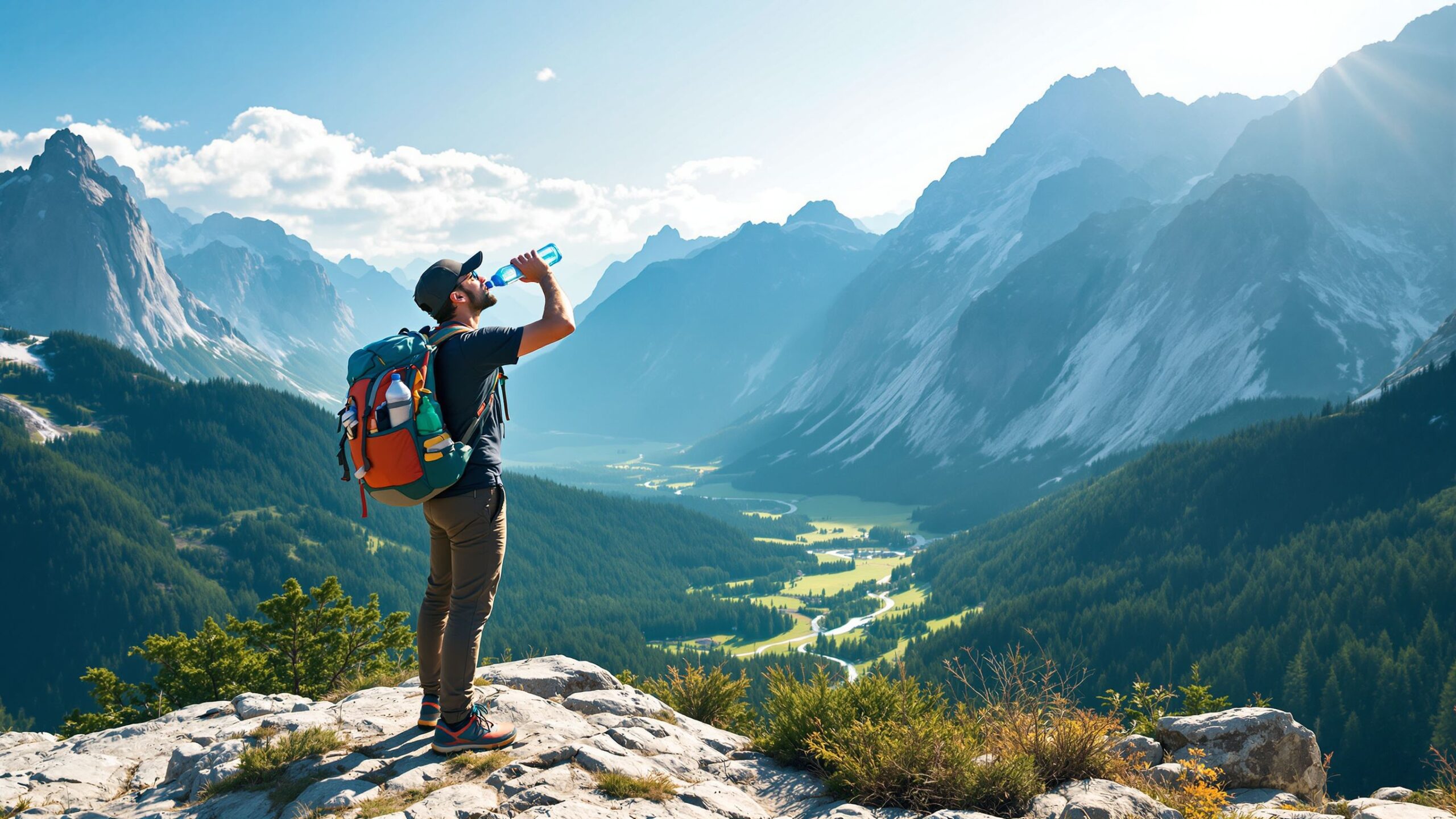
Choosing between hydration packs and water bottles is one of the most common decisions hikers and backpackers face, and the answer is not as simple as picking one over the other. Both systems are widely used in the outdoor world, and each offers unique advantages depending on how, where, and why you hike. The real question is not which is universally better, but which is better for your specific style of adventure. Hydration packs, often built around a flexible water reservoir with a drinking tube, are designed for convenience and continuous movement. Water bottles, on the other hand, represent simplicity, durability, and control. Understanding how these two systems compare across real trail conditions will help you make a smarter, more confident choice.
A: Bottles are simpler to use and maintain, making them beginner-friendly.
A: Yes, especially for long hikes where hands-free drinking improves hydration consistency.
A: Bottles are often easier for filtering and refilling, but many hikers combine both.
A: Not often, but leaks can happen and require careful maintenance. :contentReference[oaicite:17]{index=17}
A: Consider terrain, water availability, hiking speed, and personal comfort.
A: Yes, many hikers use a reservoir for drinking and bottles for backup or cooking.
A: Bottles are usually lighter and simpler, especially for ultralight setups.
A: Bottles are much easier to clean and dry than reservoirs. :contentReference[oaicite:18]{index=18}
A: Hydration packs help you drink more frequently, which is critical in heat.
A: It depends—hydration packs for convenience, bottles for simplicity, or both for versatility.
What Is a Hydration Pack?
A hydration pack is a wearable system that includes a water reservoir stored inside a backpack or vest, connected to a hose that allows you to drink hands-free while moving. These systems are commonly used in hiking, trail running, and other outdoor activities because they allow for continuous hydration without interrupting your pace.
Most hydration packs carry between one and three liters of water and are designed to distribute weight close to your center of gravity. The drinking tube typically ends in a bite valve, allowing you to sip water instantly without removing your pack. This hands-free design is one of the biggest reasons they have become so popular among modern hikers.
What Are Water Bottles for Hiking?
Water bottles are the most traditional hydration method and remain a staple for hikers of all experience levels. They can be made from lightweight plastic, durable stainless steel, or insulated materials designed to maintain temperature. Bottles are usually stored in side pockets of a backpack or carried by hand, making them easy to access but requiring a pause or adjustment to drink.
Unlike hydration packs, bottles provide immediate visibility of your water supply, making it easier to monitor consumption and plan refills.
Convenience and Accessibility on the Trail
One of the biggest advantages of hydration packs is convenience. With a drinking tube positioned near your shoulder, you can sip water continuously without stopping. This encourages better hydration habits, especially on long or strenuous hikes where stopping frequently can break your rhythm.
Water bottles, by contrast, typically require you to stop or at least slow down to drink. While this can be seen as a disadvantage, it can also encourage intentional breaks, giving your body time to rest and recover. However, the interruption can feel inconvenient during fast-paced or technical hikes.
Hydration Efficiency and Drinking Habits
Hydration packs often lead to more consistent hydration because they remove the barrier of effort. When water is always within reach, you are more likely to take small, frequent sips, which is ideal for maintaining energy and endurance over long distances.
Water bottles tend to promote less frequent but larger drinks. While this can still be effective, it relies more on discipline and awareness. Some hikers unintentionally drink less when using bottles simply because access is less immediate.
Weight Distribution and Comfort
Hydration packs are designed to carry water close to your back, distributing weight evenly and keeping your center of gravity stable. This can improve balance, especially on uneven terrain or during climbs and descents.
Water bottles, especially when stored in side pockets, can create uneven weight distribution if not balanced properly. While this is usually a minor issue, it can become noticeable on longer hikes or when carrying multiple bottles.
Capacity and Water Storage
Hydration packs typically offer larger capacity in a single system, making them ideal for hikes where water sources are limited. Carrying two to three liters in a reservoir is common and efficient for longer stretches without access to water.
Water bottles can match or exceed this capacity, but usually require multiple containers. This adds flexibility but can also increase bulk and require more careful packing. Some hikers prefer this modular approach because it allows them to spread weight across their pack.
Refilling and Filtration
Refilling is where water bottles often take the lead. Bottles are quick and easy to fill from streams, faucets, or filtration systems. Many filters are designed to attach directly to bottle openings, making the process simple and efficient.
Hydration packs can be more difficult to refill, especially when they are stored inside a packed backpack. Refilling often requires unpacking or partially removing the reservoir, which can be time-consuming during a long hike.
For backpackers who rely heavily on filtering water along the trail, bottles are often the more practical and efficient choice.
Durability and Maintenance
Water bottles are generally more durable and easier to maintain. They can handle drops, rough terrain, and repeated use without much concern. Cleaning is straightforward, and drying them is quick.
Hydration packs require more care. Reservoirs, hoses, and valves need regular cleaning to prevent buildup and maintain water quality. While modern designs have improved durability, they are still more complex systems that require attention after each trip.
Monitoring Your Water Supply
One of the simplest yet most important advantages of water bottles is visibility. You can instantly see how much water you have left, allowing you to manage your intake and plan your next refill.
Hydration packs make this more challenging because the reservoir is hidden inside your backpack. While some packs include indicators or allow you to feel the remaining water, it is not as precise or immediate as simply looking at a bottle.
This difference can be important on longer hikes where managing water carefully is essential.
Performance in Different Environments
Hydration packs excel in fast-paced, technical, or hands-busy environments. If you are using trekking poles, scrambling over rocks, or navigating uneven terrain, the ability to drink hands-free becomes a major advantage.
Water bottles perform better in situations where frequent refilling is needed or where simplicity is preferred. They are also more reliable in cold conditions, where hydration tubes can freeze and become difficult to use without insulation.
Matching your hydration system to the environment can make a significant difference in comfort and efficiency.
When Hydration Packs Are the Better Choice
Hydration packs are ideal for long day hikes, hot climates, and situations where maintaining a steady pace is important. They are especially useful when your hands are occupied or when stopping frequently is impractical.
They also provide better weight distribution, which can improve comfort on longer or more physically demanding trails.
When Water Bottles Are the Better Choice
Water bottles are often the better choice for backpacking trips, especially when you plan to filter water regularly. Their simplicity, durability, and ease of use make them highly reliable in a wide range of conditions.
They are also a great option for hikers who prefer a straightforward system with minimal maintenance and maximum control.
Why Many Hikers Choose Both
Many experienced hikers find that using both systems offers the best balance. A hydration pack allows for easy, hands-free drinking while moving, while water bottles provide a reliable backup and make refilling more convenient.
This combination creates flexibility and ensures that you are prepared for different situations, whether you are on a short hike or a multi-day adventure.
Final Verdict: Which Is Better for Hiking?
There is no single answer to the hydration pack versus water bottle debate because each system excels in different situations. Hydration packs offer unmatched convenience and encourage consistent hydration, making them ideal for fast-paced or physically demanding hikes. Water bottles provide simplicity, durability, and better control, making them a dependable choice for longer trips and varied environments.
The best choice ultimately depends on your hiking style, your environment, and your personal preferences. Many hikers discover that a combination of both systems provides the most reliable and versatile solution. No matter which option you choose, the most important factor is staying consistently hydrated so you can fully enjoy every step of your journey.