Compare Two Camping Systems, Then Choose a Fire Pit
Solo Stove and Breeo both attract campers who want a more deliberate campfire setup, but the brand names do not decide what fits in your vehicle or how you spend an evening. A fair comparison begins with portable models, the accessories needed to use them correctly, and the jobs you expect the fire to do. If conversation after dinner is the priority, a straightforward cylinder and carrying bag may be enough. If cooking over a managed wood fire is the attraction, an adjustable cooking arrangement deserves more weight in the decision. This comparison uses Solo Stove’s Bonfire and Breeo’s Y Series as useful reference points, explains where smaller alternatives change the answer, and separates published specifications from judgments you should make around your own campsite.
A: No. Compare portable models with similar intended jobs and include their accessories.
A: Its smaller size may suit a couple or a crowded vehicle better than the original shortlist.
A: The manufacturer's pit specification should be separated from additional equipment.
A: Y Series deserves attention for its adjustable stance and compatible cooking direction; compare complete supported setups.
A: No. Read the included-components list and exact model description.
A: Its integrated grip changes how the cold pit is lifted, but does not remove the listed thirty-one-pound load or the space it occupies. Test the complete route past the tailgate and surrounding cargo rather than treating the handle as a weight saving.
A: No. It explains design and ownership tradeoffs without claiming a controlled performance test.
A: Use only the operating positions specified for the selected model.
A: No. Align the jobs and required components before comparing costs.
A: Lifting comfort, real cargo fit, repeated cooking needs, and cold cleanup are useful deciding factors.
Keep the Comparison in the Portable Category
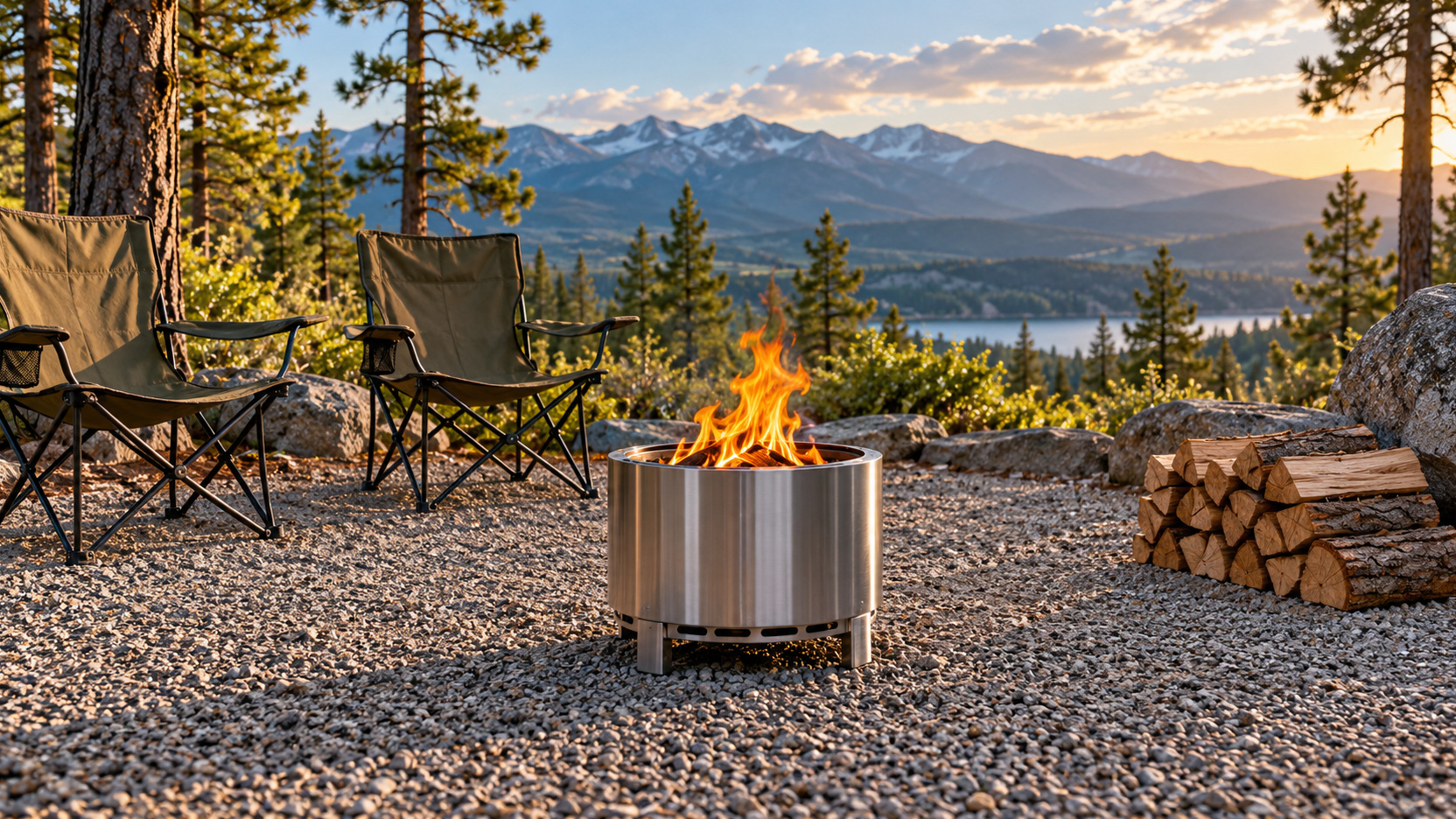
Breeo’s larger backyard pits and Solo Stove’s largest cylinders can dominate a patio conversation while being poor matches for a loaded camping vehicle. Start with equipment intended to travel. Bonfire and Y Series are reasonable comparison points because campers can transport either, yet they emphasize different aspects of the experience. They are reference models rather than a claim that their dimensions or functions are identical.
Also decide whether Bonfire is already larger than your needs. Solo Stove’s smaller Ranger changes the storage and carrying calculation, particularly for two people who want a modest evening fire. Moving down a size is more meaningful than arguing over an accessory on a unit that cannot fit comfortably in the car. Measure the available storage space before comparing bundles or finishes.
Accessories widen the difference. Include the case, required protection, cooking hardware, tools, and fuel when comparing actual transport. Try a cardboard footprint or a clean measured space in the cargo area before buying. Neither published weight tells you whether you can lift the full arrangement comfortably past a tailgate or carry it across uneven ground.
Read the Exact Generation and Bundle
Product-family names can outlast changes in construction, finishes, and accessory packaging. A retailer’s older listing may show a different weight from the manufacturer’s current bundle. Read the precise model description, included components, and dimensions, and save that information with the order. A photograph of a stand or cover does not establish that it comes in the box. Write the generation and finish into your own comparison, especially when moving between a manufacturer page and a retailer. Matching the bowl name alone can hide meaningful differences. If two specifications conflict, ask the seller to confirm the item before placing the order rather than choosing the more flattering number.
Compare the Published Carrying Load Carefully
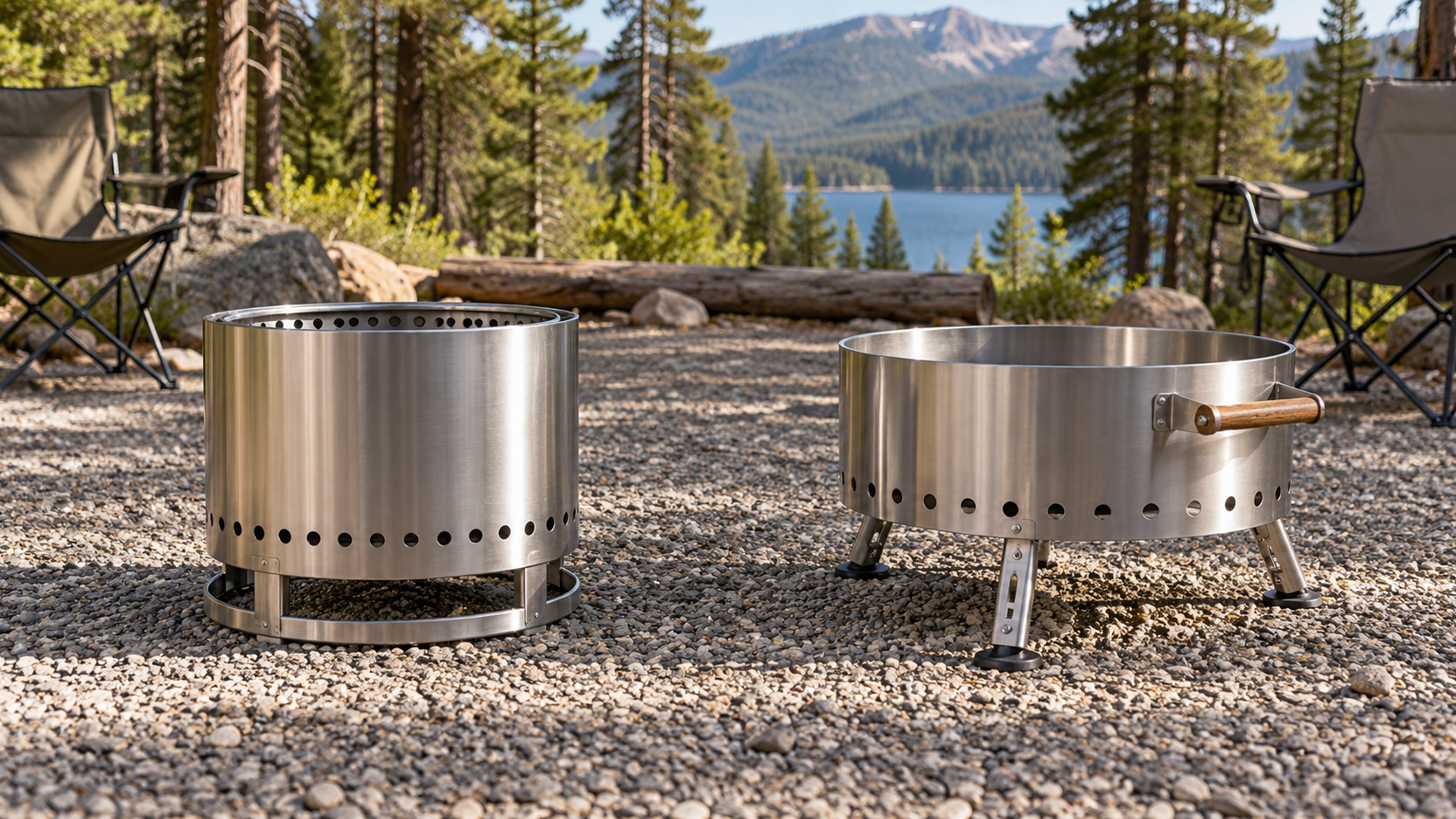
The current Solo Stove Bonfire and stand listing gives the fire pit a 19.5-inch diameter and a listed weight of 23.3 pounds, with the stand specified separately. Those numbers are useful for checking a real cargo opening. They should not be silently substituted for a different generation or treated as the entire camping load.
Breeo’s Y Series listing specifies a 31-pound pit and three leg positions for stowing, burning, and cooking. Its integrated carrying approach and adjustable stance make it a different package from a cylinder with a separate stand. The extra lifting may be worthwhile for an owner who uses those functions, but it remains extra lifting on every trip.
Decide How Much Cooking Matters
Breeo gives live-fire cooking a prominent role through its compatible grill system and raised cooking position. That direction suits campers who enjoy tending a fire and managing food height as part of the meal. It also creates components to transport and clean. A cooking-focused purchase makes sense when the activity itself is something you want to spend time doing.
Solo Stove also offers cooking accessories, but compatibility must be checked for the exact model and current system. Do not assume a grill shown with one fire pit fits every cylinder in the range. Compare the complete supported cooking setup rather than a bare Solo Stove against an accessorized Breeo. Then ask whether the meals justify dedicating that much cargo and attention to wood-fire cooking.
Consider how dinner ends as well as how it begins. Greasy grates and utensils need suitable cooling, cleaning, and storage before they travel with the pit. A camper who likes a long relaxed breakfast may value that process differently from someone leaving early for a hike. Walk through the entire meal using your actual cookware before assigning either brand a cooking advantage.
Understand Their Shared Low-Smoke Principle
Both brands use airflow and double-wall construction to encourage more complete combustion under suitable conditions. That shared idea does not remove startup smoke, damp-fuel problems, sparks, or the effect of wind. Keep fuel within each manufacturer’s loading instructions and maintain unobstructed vents. The practical promise is improved combustion when used correctly, not a smoke-free guarantee or a legal exemption from campfire restrictions.
Separate Flame Appearance From Seated Comfort
A neat ring of secondary flames can be satisfying to watch, but it is not a direct measurement of warmth where people sit. Wall height and shape influence what reaches your lower body, while the rising plume carries much of the heat upward. Wind can change the experience more quickly than a specification suggests. Plan a chair circle with required clearances rather than assuming campers will simply move closer.
Approved heat-management accessories may change a particular model’s behavior, but add their cost and bulk before assigning value to the feature. Warm layers, a comfortable chair, and an appropriately sheltered legal site still matter. If the evening is cold enough that everyone depends on the fire for basic comfort, improve the clothing and shelter plan first. There is no controlled side-by-side heat test behind this guide. Treat comments about design as buying considerations rather than measured performance rankings. If possible, see a properly operated unit in person at a dealer or an event where its use is permitted. Observe the seating distance, fuel tending, and surrounding space as carefully as the flame.
Examine the Ground Setup as a Complete Assembly
Bonfire’s separate stand and Y Series’ adjustable legs create different setup steps. Follow the supported operating position and surface requirements for each one; a low storage stance is not necessarily a burn stance. Check overhead and side clearances as well as the distance beneath the bowl. A manufacturer’s heat-protection accessory does not override a campground’s rule about where fires may occur.
The Rocky Mountain National Park fire page shows why location rules deserve their own check: designated areas and installed fire facilities can control permitted use. Your destination may use different wording. Ask specifically about the portable wood pit rather than relying on a general answer about campfires or gas stoves.
Walk around the cold assembly before deciding that it fits. Raised legs can occupy space beyond the rim, and a separate stand may shift how the bowl sits on uneven ground. Do not wedge supports or modify the base to compensate for an unsuitable location. A level, approved site is part of both products’ practical operating requirements, regardless of which one looks more self-contained.
Look Beyond the First Clean Carry
A new stainless pit feels quite different from one that has burned a weekend’s wood. Soot, ash, and accessories become part of the storage routine, even if the outside remains tidy. Inspect how each system allows fully cold ash removal and how dirty components enter the carrying case. Choose a handling method that keeps grit out of sleeping gear without expecting a bag to perform any extinguishing function. Think about the first item you need to touch during unloading and the last one packed before driving home. An integrated handle, separate sling, or rigid case can feel very different when the surrounding cargo is already in place. Cold practice with the complete load can settle a close preference without a single fire.
Match Fuel to the Firebox
A shared woodpile does not guarantee that every log belongs in every pit. Compare the permitted log length, loading height, and fuel guidance for the actual models. Appropriate dry wood and an unobstructed burn chamber matter more than a larger bundle stacked above the intended fire area. Avoid a purchase that routinely requires cutting logs you expected to use directly from a campground bundle.
Also consider supply and transport restrictions. Buy suitable local wood where required and follow rules intended to prevent moving pests between regions. Neither brand’s design makes treated lumber or discarded packaging acceptable fuel. A convenient legal supply should be part of the comparison before a cooking plan or nightly fire becomes essential to the trip.
Calculate Price With Equivalent Accessories
Make two complete shopping lists with equivalent jobs. Each should include the appliance, required base arrangement, carrying solution, and any supported accessory you actually intend to use. A cooking kit and a basic conversation pit cannot be compared meaningfully by the price of their central bowls. Leave optional decorative extras out until the necessary systems are aligned.
Promotions change, so use current checkout totals rather than a remembered sale. Read shipping, return, and warranty terms for your location and exact model. A locally available replacement part or straightforward service process can matter more than a small initial saving, especially when a support component is needed before the next trip.
Resist paying for cooking capability merely because it looks versatile. The feature adds value only when you use it enough to justify the additional load and care. Likewise, the smallest purchase is not automatically economical if it repeatedly frustrates the group. Value comes from the number of successful ordinary weekends, not the size of the discount.
Choose Around Your Departure Routine
Wood fires require a shutdown and complete cooling period regardless of brand. Check how each manufacturer directs extinguishing and ash handling, then fit that work into your last evening. Do not plan to pack warm steel between bags or hurry the process with an improvised method. An early departure may mean ending fires earlier than expected.
Practice cold setup and disassembly before travel so every removable part has a known place. Give another adult the instructions if they might help manage the appliance. A system that only one person can carry or explain is less flexible at camp. Count that practical friction alongside the headline weight.
Which Brand Fits Your Camping Style?
Choose a Bonfire-based arrangement when its fixed cylinder fits your vehicle and you want a relatively straightforward route to a social wood fire, with accessories chosen deliberately. Consider Ranger instead when a smaller gathering and reduced bulk better describe the real trip. Give Y Series serious attention when its adjustable stance and supported cooking direction match a recurring live-fire meal habit. Neither is the universal winner: permissions, lifting comfort, complete packing volume, and your appetite for cleanup decide which system will earn repeat use. Make those decisions with the current manuals and exact bundles in front of you, and the brand comparison becomes a clear equipment choice rather than a contest between logos. Review the decision after a few ordinary weekends rather than immediately adding accessories. The best evidence is whether the system was easy to bring, permitted to use, and pleasant to manage. A purchase that repeatedly stays at home has little camping value even if its construction and features are impressive.