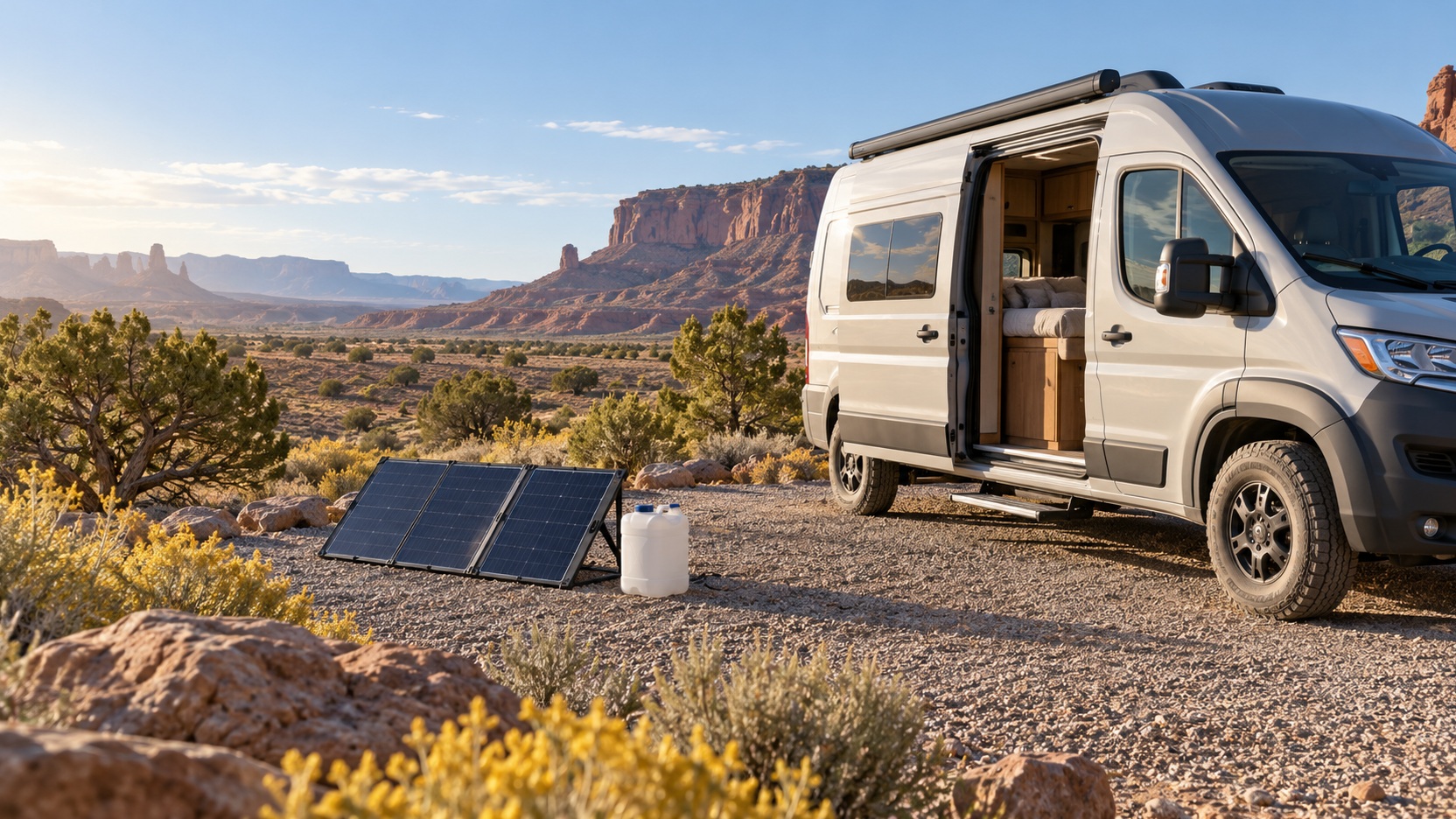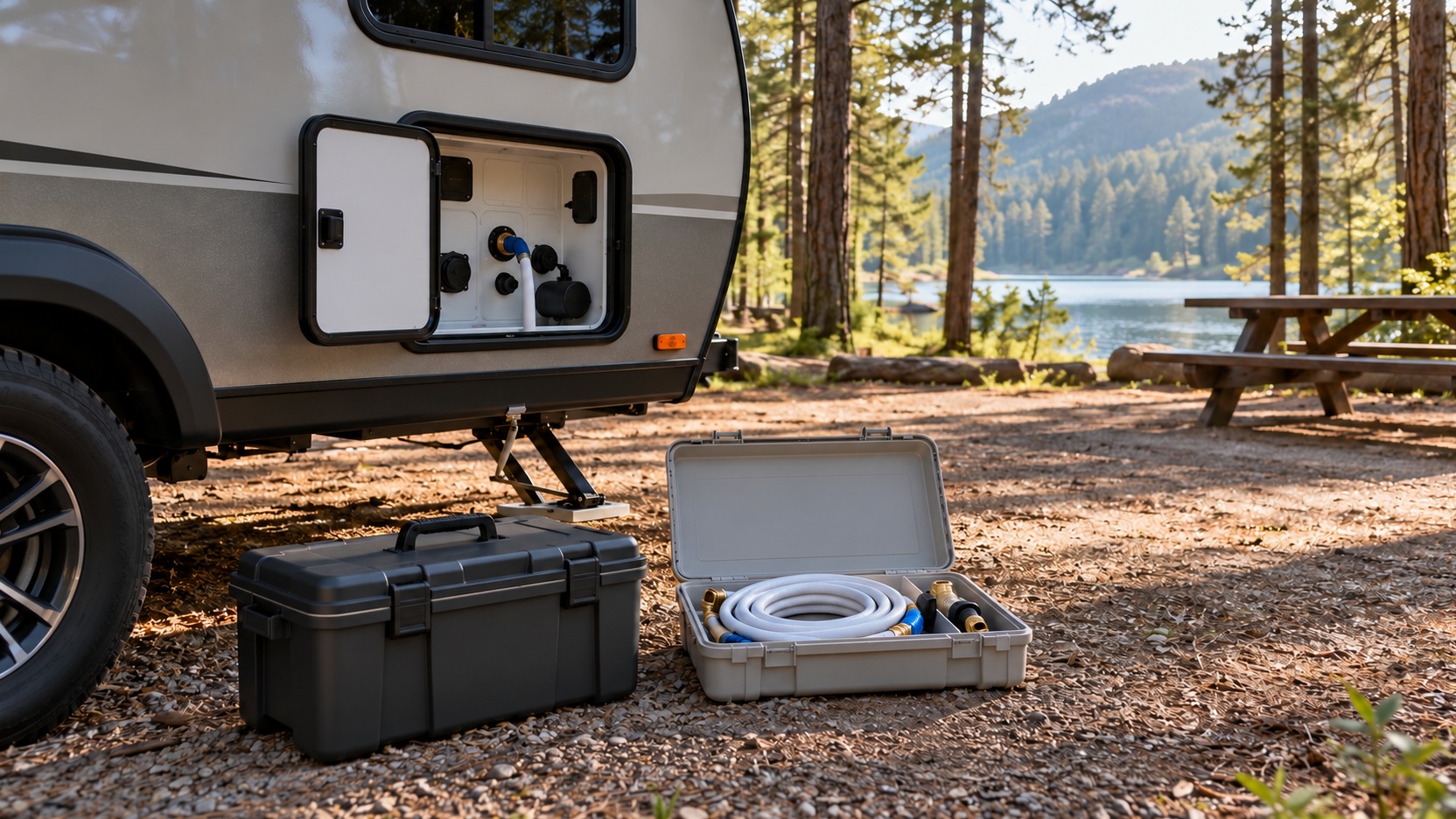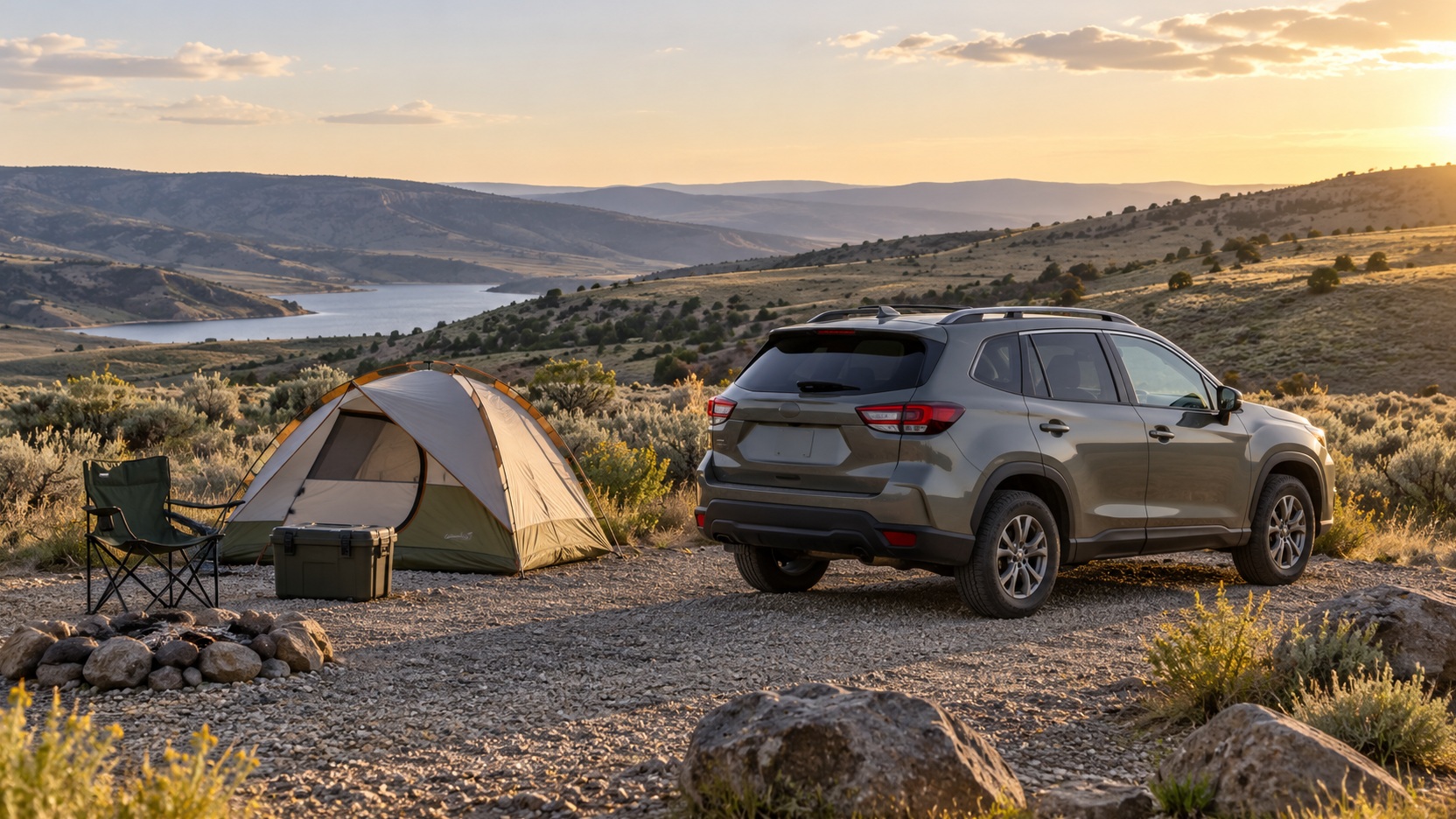
Let the Route Choose the Equipment
Overlanding can look like a vehicle accessory project when the first introduction comes through photographs of loaded roof racks and elaborate camp kitchens. For a beginner, it works better as a travel project: choose a modest journey, understand its roads and camping arrangements, and carry what allows you to complete that journey comfortably. The first useful setup may be the vehicle you already own, maintained properly and packed with ordinary camping equipment. Its limitations will shape the destination, which is a sensible place to start. Buying every accessory first reverses that relationship and can add weight, expense, and complexity before you know which problems need solving. Build your arrangement in stages, with each stage answering a need you have actually encountered or verified in the next trip’s plan.
A: Not necessarily. Start with a suitable maintained vehicle and choose a modest route it can handle.
A: No. An appropriate existing ground tent can support the first trips without a roof installation.
A: Consider one after ordinary cooking reveals a repeated problem simpler equipment cannot solve.
A: Begin with manageable travel, verified access, reachable alternatives, and demands within your experience.
A: No. Check current official route designations and restrictions for the land involved.
A: No. Equipment selection and safe use require appropriate instruction and vehicle compatibility.
A: Share the route, overnight plan, return expectation, and action to take after a missed check-in.
A: Fix verified obstacles to essential tasks before mild inconveniences or admired accessories.
A: Measure actual charging needs first, then assess any larger system as a complete compatible arrangement.
A: Add a manageable night or destination change while reassessing access, supplies, and communication.
Define a First Journey You Can Describe Clearly
Write down the number of nights, expected road surfaces, distance between services, weather exposure, and legal places to camp. Start with a route that leaves reasonable alternatives if conditions change. A maintained gravel road near established services can teach packing, navigation, and campsite routines without adding difficult driving. You do not need to make the first trip remote to make it worthwhile. Choose an outing that lets you pay attention to the vehicle and the camp instead of continually catching up with an ambitious schedule.
Separate a line on a map from permission to drive it. Check the land manager’s current route designations, seasonal restrictions, and camping rules. The Bureau of Land Management’s camping guidance is a useful starting point for its lands, but local restrictions still need checking. A navigation app or an old trip account does not establish current access. Save relevant information offline and contact the responsible office when the route’s status is uncertain.
Establish the Vehicle’s Baseline Before Adding Weight
Arrange appropriate maintenance and address known problems before spending the trip budget on accessories. Tires, the spare-wheel arrangement, fluids, brakes, and the manufacturer’s service requirements deserve attention from someone qualified to assess them. Verify that the vehicle is suitable for the proposed route in its present condition. A roof rack does not compensate for an unresolved mechanical issue. Keep service records and assistance information somewhere accessible during the trip.
Read the load limits that apply to the vehicle and any installed carrying system. Passengers, fuel, camping gear, water, and accessories all contribute to the traveling load. Roof systems can have separate limits, and equipment instructions may distinguish stationary use from travel. Ask the vehicle or rack manufacturer about an unclear rating. Avoid treating empty-looking space as evidence that additional weight can be carried safely.
Start with a packing layout that keeps heavy equipment secure and access sensible. Store things so braking or rough surfaces will not send them through the passenger compartment. Keep essential personal items available without unloading the campsite. Measure the usable space with the seats and occupants arranged as they will travel. A smaller kit with a clear place for every item is often easier to use than a sophisticated storage installation that fills the cargo area.
Borrow the Camping System Before Rebuilding It
Use an existing tent, sleep system, stove, and cooler when they suit the expected conditions. Inspect them, practice setting them up, and replace damaged or inadequate essentials before leaving. A ground tent may be a good first choice because it can separate the sleeping space from the parked vehicle and avoids committing to a rooftop installation. Borrowed equipment can also reveal preferences at modest cost. Check completeness and operating instructions with the owner rather than discovering missing poles, connectors, or fuel compatibility at camp. Try packing wet-weather clothing, shoes, and bedding as separate accessible groups. An arrangement that looks tidy in the driveway should still let someone change layers without standing in rain while the entire load is moved. Keep a suitable place for damp equipment after use, so the return journey does not mix it through dry bedding.
Carry Water and Food With a Defined Resupply Plan
Estimate water requirements around the people traveling, the weather, cooking, washing, and the interval to a reliable refill. Confirm the source and any treatment needed instead of assuming a blue line on a map supplies usable drinking water. Use suitable containers and secure them for travel. Divide the supply thoughtfully so a single leak does not quietly remove everything. Include the containers’ weight in the vehicle’s loading plan.
Choose meals that fit the equipment you already understand. A compact stove and simple cookware may be sufficient for a short outing, while an elaborate drawer kitchen adds cost and can constrain the rest of the cargo. Store food at the temperatures and in the manner it requires, and follow local wildlife-storage rules. Plan the first meal so it can be reached without emptying the vehicle. Save culinary experiments for a trip where extra time, water, and cleanup capacity are available.
Make Navigation Usable Without a Signal
Carry current navigation resources appropriate to the area and practice using them before departure. Download maps while reliable internet is available, then verify that the relevant detail actually opens offline. Keep a backup appropriate to the trip rather than relying on one charged device. Consider the physical conditions in which you will read the map: bright sunlight, rain, gloves, and a cramped passenger seat can all change how usable a familiar device feels. Test the mounting and viewing arrangement while parked. The driver should not need to handle a screen to resolve a navigation disagreement. Make sure the passenger helping with navigation understands the route and possible alternatives. A useful system supports a calm decision at a junction instead of encouraging a rushed guess.
For national forest travel, consult the applicable motor vehicle use information. The Forest Service explains the role of these maps through resources such as its Southwestern Region maps and guides. Read the map legend and the information for the specific district rather than generalizing a rule from a different forest. Current closures may add restrictions beyond an earlier map. Navigation preparation should therefore include checking conditions close to departure.
Give a trusted contact the intended route, overnight plan, expected return, and a clear action to take if you do not check in. Choose a communication arrangement that fits the actual coverage and consequence of delay. Learn any satellite communicator’s operation and service requirements before depending on it. Keep its charging method and carrying position practical. Equipment helps convey a problem, but it does not remove the need for a conservative route and an understandable trip plan.
Budget for Training Before Recovery Hardware
Learn what your vehicle can do through suitable instruction and modest practice. Driving on loose surfaces, recognizing an unsuitable obstacle, and turning around without pressure are skills, not accessories. Choose a course or qualified instructor appropriate to the vehicle and intended travel. Leave technical recovery procedures to training that covers the equipment, attachment points, and hazards in context. A bag of recovery gear is not a substitute for knowing whether a recovery should be attempted.
For an easy first trip, prevention often begins with route selection, road-condition checks, sensible spacing between vehicles, and willingness to retreat. Carry the ordinary emergency and roadside equipment recommended for the vehicle and learn its approved use. Understand what assistance can realistically reach the area. If the route demands advanced recovery capability you do not have, change the route rather than treating a shopping trip as the missing qualification. That decision preserves both the budget and room to learn.
Keep the Electrical System Small at First
List the devices that truly need charging during the planned interval away from a dependable supply. Phones, navigation equipment, lights, and any necessary personal device deserve specific attention. Check the vehicle’s charging instructions and avoid arrangements that could leave it unable to start. A modest, appropriately chosen charging solution may cover a short trip without an installed auxiliary system. Record what you use during the first outing before designing a larger electrical setup.
Think about where charging happens and how cables are protected. A device buried in a cargo bin may be technically chargeable but inconvenient to monitor or retrieve. Keep equipment within its temperature and operating limits, particularly inside a parked vehicle. Follow battery and charger instructions rather than improvising connections. Add complexity only when the simple system’s actual limitation is clear.
If refrigeration or longer stays become a real requirement, assess the whole energy arrangement together. Appliance demand, usable battery capacity, charging opportunities, installation, and vehicle compatibility all affect the decision. Qualified installation may be appropriate for changes to the vehicle’s electrical system. Compare that cost with the benefit for the trips you intend to take. Buying a single attractive component first can make the eventual system harder to match.
Create a Toilet and Rubbish Plan Early
Check whether the planned stops provide toilets and where waste may legally be disposed of. Pack the appropriate sanitation equipment for the location and learn its use before leaving established facilities. Keep rubbish contained securely and account for the space it occupies on the return drive. Avoid making a new camp area or driving across vegetation to improve a photograph or park closer to the tent. A beginner setup is complete only when it includes a practical way to leave the place clean and use the area within its rules.
Use a Purchase Queue Instead of a Wish List
After each short trip, record three kinds of observations: what prevented an ordinary task, what was mildly inconvenient, and what was simply something you admired on another vehicle. Solve the first category before the other two. Describe the problem precisely enough that several solutions remain possible. If bedding was hard to reach, moving a box may solve it without building drawers. If shade was missing, evaluate the expected campsite and wind conditions before choosing a permanently mounted awning.
For each proposed purchase, consider weight, packed volume, installation, maintenance, and how often it will be used. Include the time required to deploy and stow it during travel days. Check whether replacing a basic part will require a specialist supplier or whether the equipment can be serviced locally. A custom installation may also affect how the vehicle works for ordinary weekday use. These are ownership costs even when the initial price fits the budget. Borrow or rent an expensive item when that can clarify the decision. Allow an accessory to remain unpurchased if the existing arrangement works. The most useful improvement is the one that makes your next real journey easier without creating a larger problem elsewhere.
Expand the Trip When the Routine Is Ready
Progress can mean a longer interval between services, another night outdoors, or a less familiar region rather than a more difficult road. Change one part of the trip at a time so you can understand what the setup needs. Recheck access, weather, loading, and communication for each new destination. Keep the habit of turning back when the situation exceeds the plan. An effective beginner overlanding vehicle grows out of repeated, manageable journeys, with equipment added deliberately as experience gives each purchase a clear purpose.