Your Stay Lasts as Long as the Tightest Supply
Boondocking changes the way an RV’s comforts are managed. Without a campsite electrical connection, water supply, or sewer hookup, the question becomes how long the resources on board can support the people traveling. A large battery does not help when the freshwater tank is nearly empty, and a generous water supply is less useful when wastewater storage is already full. Preparing well means understanding those limits together, then choosing a first stay with an easy exit and reliable resupply nearby. You do not have to begin with a remote destination or a major equipment installation. Start by learning what your own RV consumes during an ordinary day, what its systems can safely provide, and which services must be available when you leave the site.
A: No. Verify permission, access, and restrictions for the exact location.
A: The tightest actual resource or condition limit determines the stay, not a single advertised capacity.
A: Use it only as context; occupancy, systems, conditions, and habits can differ substantially.
A: Try a short stay where services are easy to obtain and record ordinary daily use.
A: No. Wastewater storage, usable energy, or weather may limit the stay first.
A: Base the itinerary on observed charging and the complete system, allowing for conditions.
A: No. Check local operating rules and the equipment's safe operating requirements.
A: Choose dependable services or change the destination and timing rather than stretching an inadequate setup.
A: Confirmed access and hours leave time for an orderly departure and legal disposal.
A: Save the starting resources, occupants, weather, major uses, and what prompted departure.
Separate Camping Permission From Service Availability
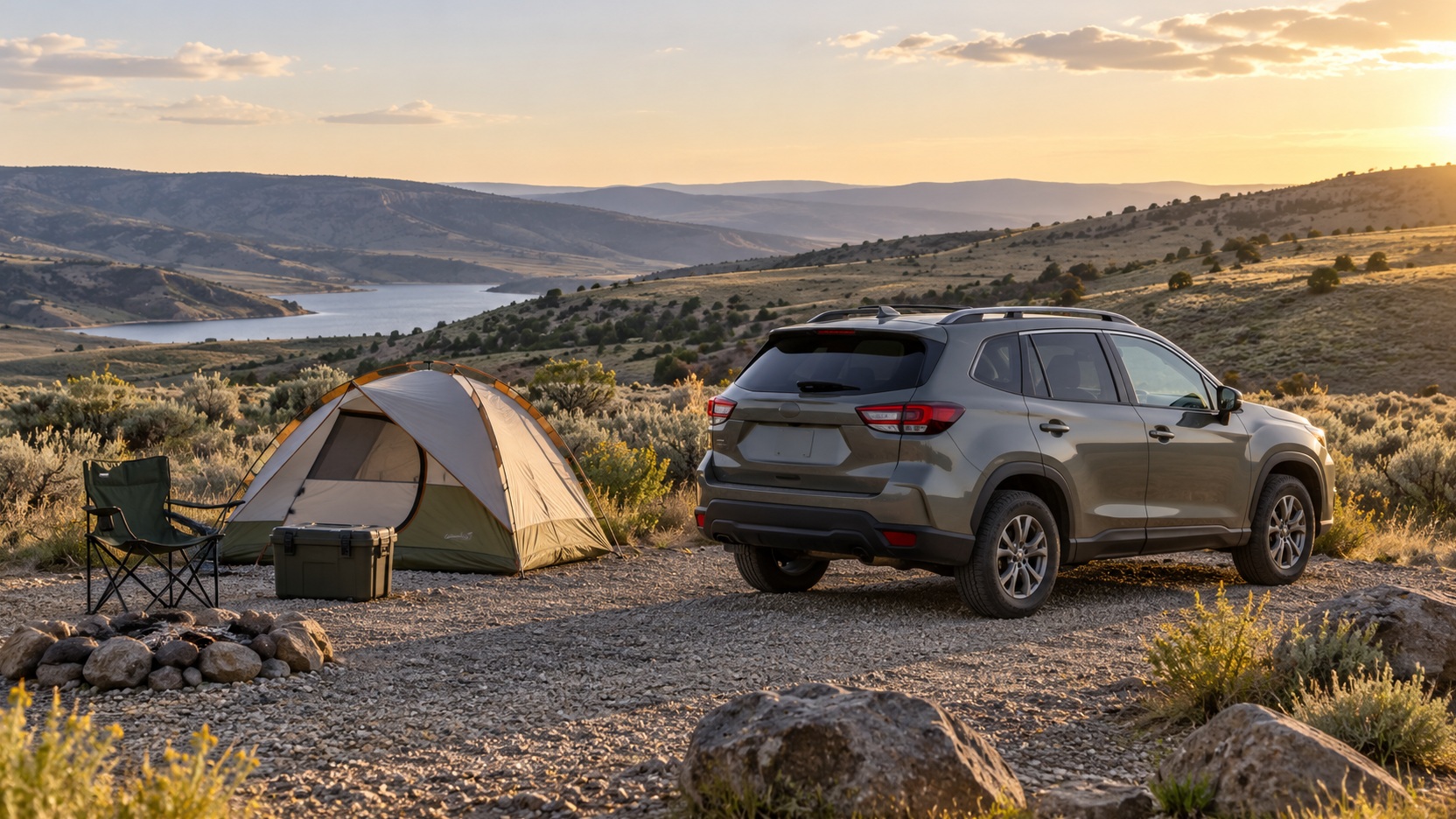
Confirm that overnight use is permitted at the exact location and that the approach suits the RV. Boondocking describes camping without hookups, but it does not by itself establish permission, road access, or the facilities available. A developed campground without hookups and an undeveloped dispersed site can demand different preparations. Ask the responsible operator or land manager about current restrictions. Read site-specific instructions rather than assuming a rule from a previous destination applies everywhere.
Check the surface, turning space, overhead clearance, and the condition of the exit route. Consider what rain, snow, or another weather change could do to access while the RV is parked. Choose an easier alternative if the situation exceeds the vehicle or driver’s capability. The first experiment with resource management is more useful when maneuvering and navigation remain straightforward. Save local contact details and an alternate overnight option before arrival.
Find the next dependable freshwater fill, approved wastewater disposal point, fuel stop, and grocery source. Confirm access and operating hours, especially outside the main camping season. A map symbol may describe a facility that is closed or unsuitable for your vehicle. Keep the resupply sequence realistic for a departure day. Consider how long the drive, queue, refilling, and disposal might take together. Leave space in the schedule for an unavailable facility rather than arriving at the next stop already committed to another unsupported night. The trip should not depend on reaching an uncertain service after the last usable resource has been consumed.
Write Down What the RV Can Actually Hold
Use the vehicle documentation to identify freshwater capacity, separate wastewater capacities, battery type, and the electrical equipment installed. Account for whether the RV has been modified since the manual was written. Verify uncertain details with the provider or a qualified technician. Do not transfer capacity claims from another floor plan that happens to share the same brand name. Your planning figures need to describe the RV you are taking.
Distinguish a tank’s listed capacity from what is available at the beginning of the stay. Existing contents, filling arrangements, sensor behavior, and the RV’s configuration affect the practical picture. Check readings in the context of known recent use and the manufacturer’s instructions. Avoid planning every night around an optimistic dashboard estimate. A reserve gives you time to leave deliberately when use differs from expectations. Check how much water or fuel may be carried during travel within the vehicle’s loading limits. Filling every container to its maximum is not automatically appropriate for every rig. Secure additional supplies using approved carrying arrangements and preserve access to service equipment. Ask the provider to explain an unfamiliar loading constraint before changing the plan.
Observe a Day Without Depending on Hookups
Conduct a short trial where services remain easy to obtain, following the RV’s operating instructions throughout. For example, a couple could record the fresh-water and waste-tank indications, battery-monitor reading, and weather before an overnight stay, then write down the same observations the next morning alongside cooking, lighting, refrigeration, and other appliance use. If the waste tank approaches the chosen service threshold while water and electrical reserves remain adequate, that tank becomes the first planning constraint for this trial. Treat gauge readings according to the equipment’s documented limitations and seek help interpreting unfamiliar monitors. This record supports a conservative first itinerary; it does not establish a guaranteed number of nights.
Repeat the observation when conditions are meaningfully different. Heating, cooling, daylight, occupancy, and meal choices can change consumption, so one pleasant afternoon is not a universal endurance test. Treat the trial as a baseline with limitations. If the upcoming trip requires a system you have not tested, shorten the first stay or arrange support. The purpose is to replace guessing with experience rather than to prove a maximum number of nights.
Make the findings understandable to everyone aboard. Agree on which uses are essential, which are optional, and what indication means the group will move to services. Keep the plan practical enough that ordinary routines do not become constant arguments about switches or taps. A shared understanding of the tightest resource is more useful than one person silently watching a display. Assign one simple record that several people can update consistently. A short list of starting state, major uses, and the evening check is easier to interpret than a collection of unexplained screenshots. Keep observations separate from guesses about what a component should have done. If a reading changes unexpectedly, investigate through the approved instructions instead of adjusting the record to fit the hoped-for stay. Decide these habits while rested, before the novelty of the first off-grid evening wears off.
Budget Water for Drinking and Daily Living
Count drinking, meal preparation, washing, toilet use where applicable, and personal needs across all occupants. Consider the expected weather and any pets traveling with you. Pack and handle drinking water in suitable containers, following the RV’s freshwater preparation requirements and the source’s suitability. Never reduce essential hydration to extend a campsite stay. If the supply becomes uncertain, resupply or leave. A successful boondocking plan makes daily water use visible without asking people to ignore basic needs.
Remember That Used Water Still Occupies Space
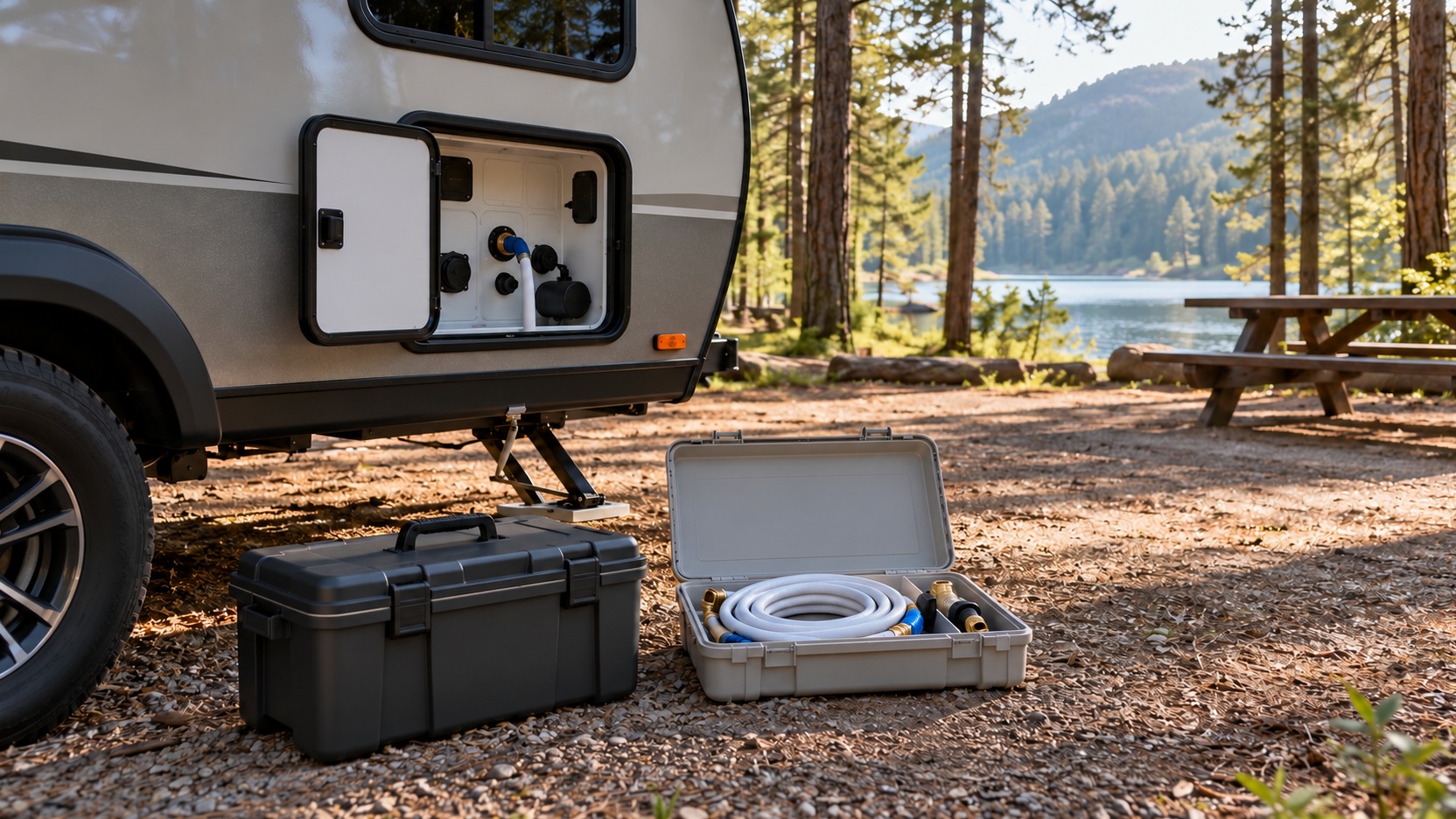
Freshwater conservation can help, but wastewater storage may become the limiting factor first. Know which activities feed each tank on your particular RV. Avoid assuming the remaining capacity of one tank can compensate for another tank approaching its limit. Use the model’s instructions to interpret readings and plan disposal. Keep the approved sewer equipment ready for the eventual service stop even when it will not be used at the campsite.
Do not release grey water at a dispersed site simply because it looks less objectionable than toilet waste. Follow local rules and use approved disposal facilities for the wastewater your RV generates. Requirements can be location-specific; for example, the BLM’s Midland Long Term Visitor Area information describes its own self-containment requirements. Read the requirements for your destination directly. Plan for rubbish and any separate toilet consumables as well as the built-in tanks.
Translate the Electrical Budget Into Everyday Choices
List each electrical function the RV must provide during the intended stay. Find out whether the refrigerator, furnace controls, fans, outlets, and water system rely on battery power in the mode you plan to use. The answer varies by installation. Ask for clarification if the relationship between shore power, converter, inverter, and battery is unfamiliar. Identify approved low-power alternatives where they fit the trip, without disabling equipment needed for safe operation.
Assess battery capacity and charging through the specifications of the actual components. Usable energy is affected by battery chemistry, operating limits, condition, temperature, and system design. A percentage on a display is only useful when you know how it is produced and what the manufacturer recommends. Do not improvise electrical changes to gain another night. Have incompatible, damaged, or uncertain systems evaluated by qualified help before relying on them away from services.
Build recharging into the itinerary instead of treating it as a vague possibility. Driving, solar, generator use, and shore power are different charging opportunities, each with limitations in a particular RV. A short journey or shaded campsite may not supply what an optimistic plan assumes. Keep a practical service stop in reserve. The simplest successful first setup may be a shorter stay with known charging access rather than a larger collection of unfamiliar components.
Choose Solar Around the Whole Charging System
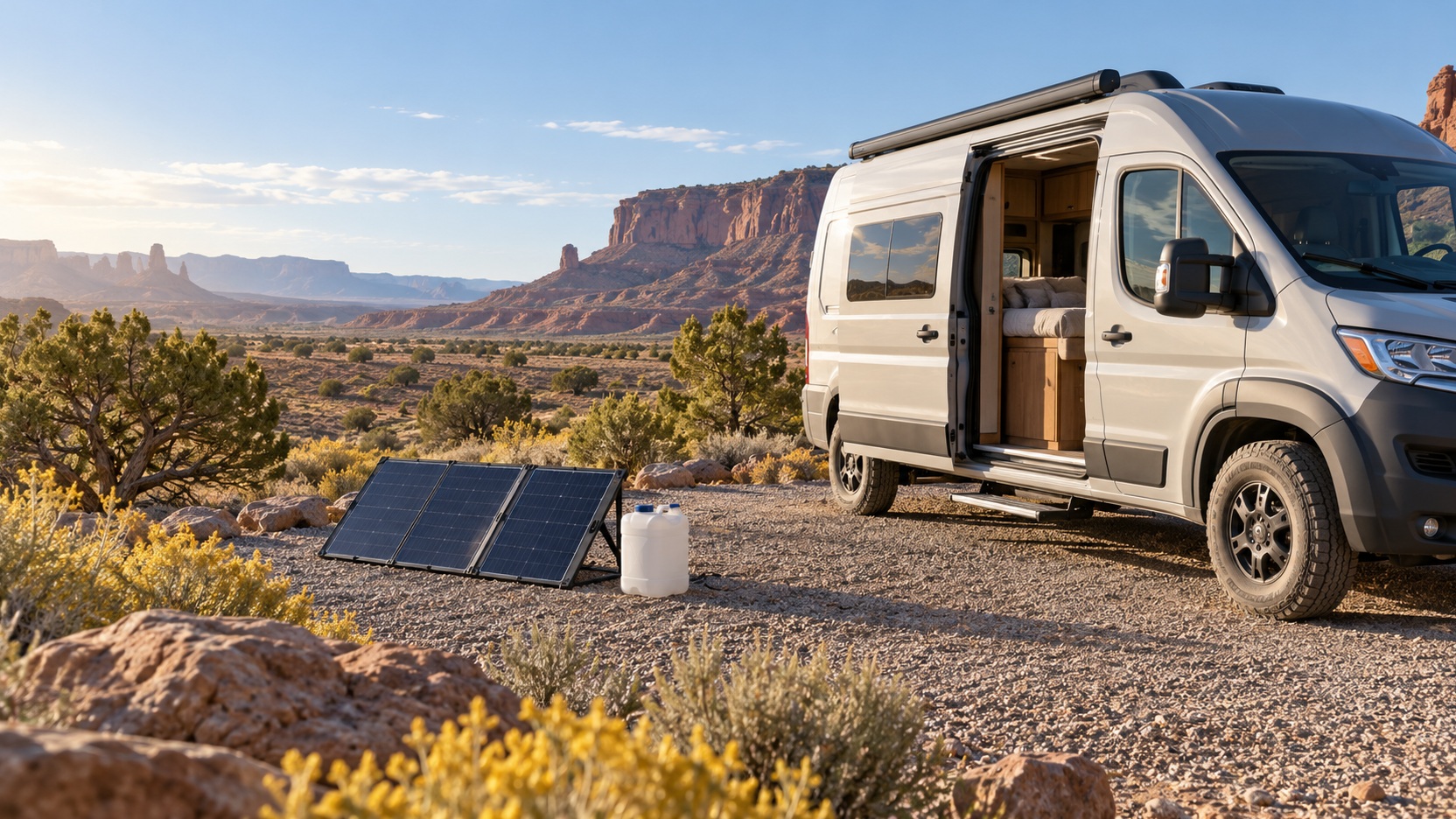
Solar can be useful, but panel output is not a guarantee of daily energy available to appliances. Panel orientation, shade, daylight, weather, controller compatibility, and the rest of the installation all influence the result. Follow the RV and charging-equipment instructions, including the intended connections and operating conditions. Secure portable equipment appropriately and account for where it will be stored during travel. Observe its actual contribution before using it to justify a longer unsupported stay. Think about the labor as well as the output of a portable panel. Repositioning, securing cables, monitoring the weather, and putting equipment away are tasks someone must be willing to do. A system that requires constant attention may fit a relaxed camp day differently from a day spent away from the RV. Include that daily routine in the purchase decision.
A permanent upgrade deserves a system assessment. Consider the loads, battery acceptance, wiring, protective components, installation, and vehicle limits together. Ask a qualified installer to explain the expected behavior and the assumptions behind any estimate. An attractive panel rating cannot resolve every bottleneck elsewhere. Compare the complete upgrade with the cost and convenience of arranging occasional hookups for the trips you actually take.
Treat Generator Use as a Specific Operating Plan
Check whether generator operation is permitted and which quiet hours or other limits apply. Follow the equipment manufacturer’s instructions for location, exhaust, clearances, fueling, and operating conditions. Consider nearby occupants as well as your own RV, because exhaust and noise do not respect campsite boundaries. Keep installed alarms functional and follow the RV’s checks for them. The National Park Service’s RV fire-safety guidance is a helpful overview, while your own equipment instructions provide the operating requirements. If safe permitted operation is not possible at the location, choose another power arrangement or another site.
Prepare Comfort for the Forecast, Not the Photograph
Choose clothing, bedding, and a destination suited to the expected conditions. Do not assume a battery-powered fan is an answer to every hot-weather situation or that familiar indoor heating will operate unchanged without hookups. Understand the RV’s approved heating and cooling modes and their resource demands. Never use cooking equipment as an improvised space heater. If comfortable conditions depend on power you cannot reliably provide, select a serviced campground or change the trip.
Arrange the camp so the exit remains easy. Keep essential tools, lights, communication equipment, and the travel checklist accessible. Stow unused equipment rather than gradually surrounding the vehicle with objects that make departure slow. Review weather and access information during the stay when possible. A relaxed camp still needs a straightforward way to leave when the plan’s resource or condition limits are reached.
Finish With a Resupply Record
After the first stay, record what ended it: water availability, a specific tank, battery reserve, weather, or simply the planned departure. Record useful context such as the number of occupants and which appliances were used. Avoid turning one result into an absolute endurance claim for every season. Use the observations to improve the next itinerary or justify one targeted upgrade. Boondocking becomes easier when the RV’s supplies are treated as connected parts of a measured travel routine, with an exit planned before any one of them runs out.