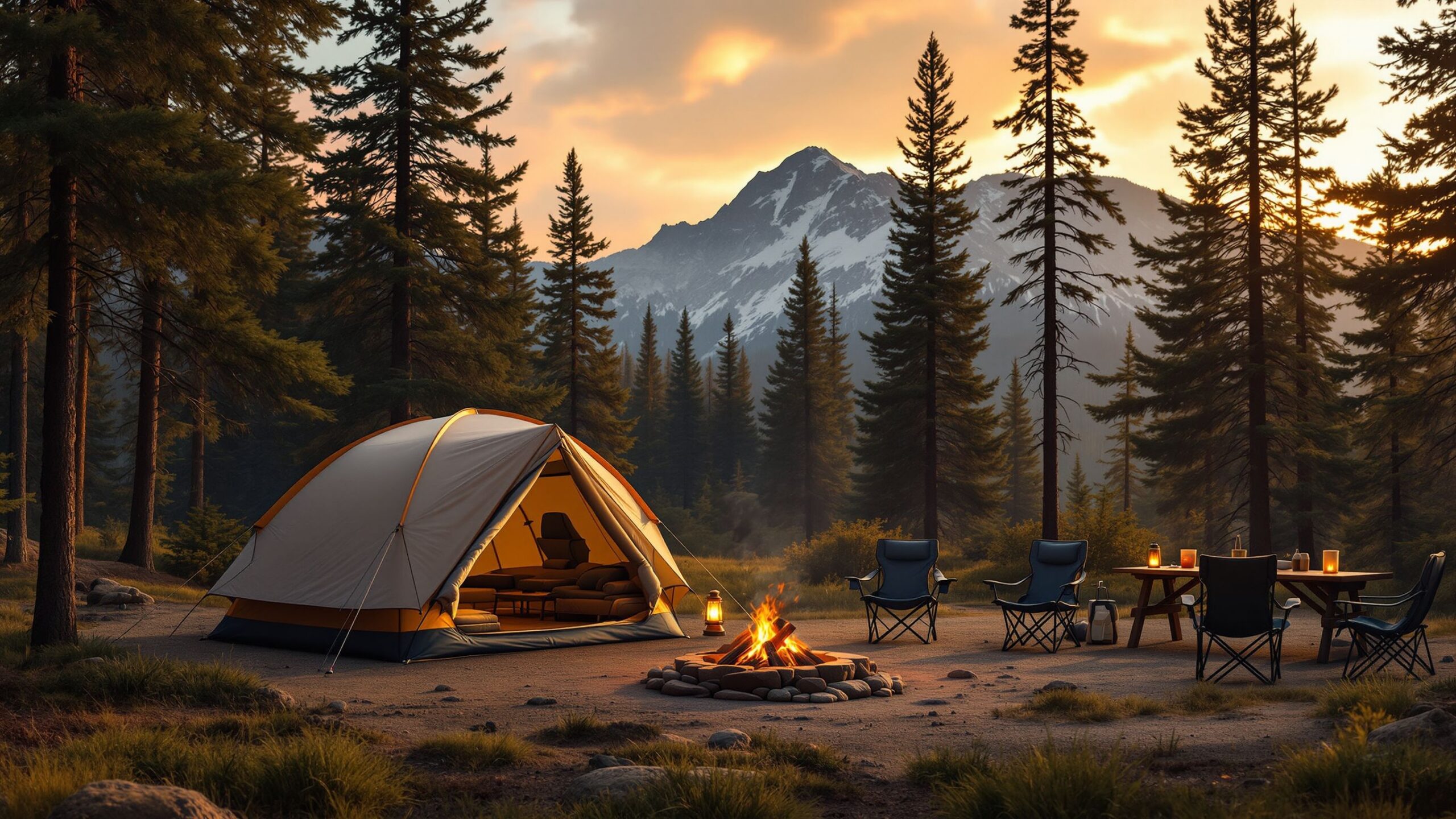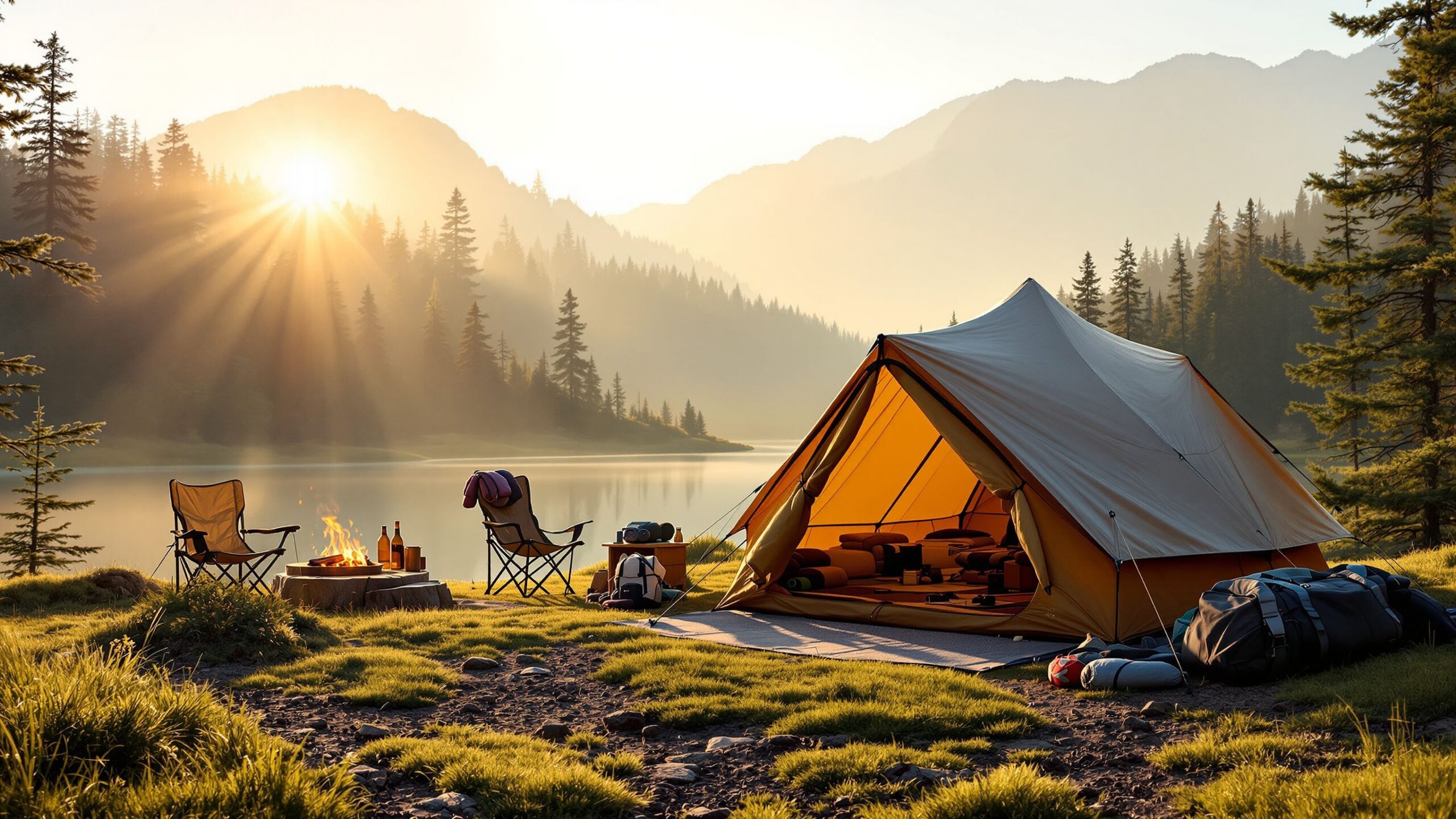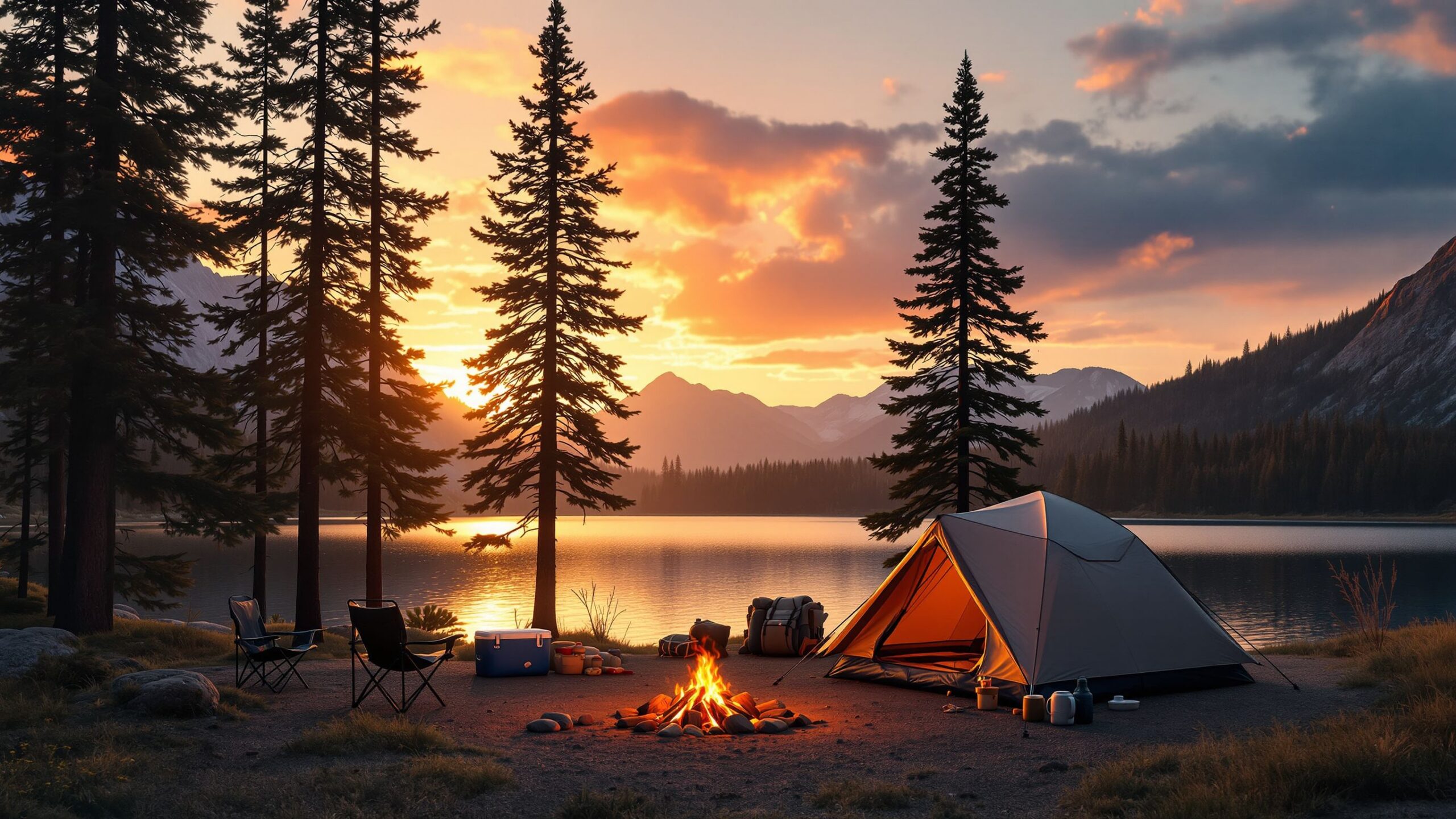
Camping is one of the most rewarding ways to experience the outdoors. Whether you’re spending a weekend in a national park, embarking on a multi-day hiking expedition, exploring remote backcountry wilderness, or enjoying a family camping trip, the quality of your campsite can dramatically influence your entire adventure. A well-planned campsite provides comfort, safety, convenience, and a place to relax after a day of exploration. On the other hand, a poorly chosen or poorly organized campsite can lead to discomfort, stress, and unnecessary challenges. Learning how to set up the perfect campsite is a skill that every outdoor enthusiast should develop. It goes far beyond simply pitching a tent and unloading gear. The ideal campsite functions as a temporary outdoor home, offering protection from the elements while maintaining harmony with nature. It should support your activities, keep you safe, and help you fully enjoy the beauty of the wilderness around you. This comprehensive guide explores everything you need to know about creating the perfect campsite for any outdoor adventure.
A: Choose a safe, flat, dry spot away from hazards, water edges, and heavy foot traffic.
A: Keep it far enough away to avoid sparks, smoke, heat, and tripping hazards.
A: Yes, setting up shelter first protects you if weather changes or darkness arrives.
A: It helps protect the tent floor from moisture, dirt, rocks, and wear.
A: Store it in a vehicle, bear box, bear canister, or approved wildlife-safe container.
A: Keep food sealed, trash packed away, tent doors closed, and lights away from sleeping areas.
A: Use a rainfly, secure your guy lines, keep gear covered, and avoid low spots.
A: Add a good sleeping pad, organized gear zones, camp lighting, and a clean kitchen area.
A: Never leave trash, food scraps, broken gear, fire debris, or anything unnatural.
A: A perfect campsite is safe, organized, weather-ready, comfortable, and respectful of the outdoors.
Understanding the Importance of Campsite Selection
Before any gear is unpacked or any tent is erected, choosing the right location becomes the most critical decision you’ll make. A campsite’s location determines comfort, safety, and environmental impact.
The best campsites combine convenience with natural protection. Look for flat ground that is free from rocks, roots, and other obstacles that can create an uncomfortable sleeping surface. A slight elevation can be beneficial because it allows rainwater to drain away from your campsite instead of pooling beneath your tent.
Many new campers are tempted to set up directly next to rivers, lakes, or streams. While the view may be spectacular, camping too close to water often leads to increased insects, colder nighttime temperatures, and potential flooding risks. Instead, choose a site that offers easy access to water while maintaining a safe distance.
Natural windbreaks such as trees, hills, or rock formations can help shield your campsite from strong gusts. However, always inspect trees overhead for dead branches, often called widowmakers, which can fall unexpectedly and pose serious hazards.
Evaluating Weather Conditions Before Setup
Weather can transform a pleasant camping trip into a challenging experience if you fail to prepare properly. Successful campsite setup begins with understanding current and expected weather conditions.
If rain is forecast, prioritize drainage when selecting your campsite. Avoid depressions, gullies, or dry creek beds that can rapidly fill with water during storms. Even light rain can create muddy conditions if your tent is placed in a low-lying area.
Wind direction should also influence your setup. Position your tent so the narrowest side faces prevailing winds whenever possible. This reduces stress on tent poles and improves overall stability.
Hot-weather camping requires a different approach. Seek areas that offer afternoon shade to prevent tents from becoming unbearably warm. Trees can provide natural cooling while helping maintain comfortable temperatures throughout the day.
Cold-weather camping benefits from protection against wind exposure and access to morning sunlight. The first rays of sunshine can help warm both campers and gear after a chilly night.
Creating a Functional Campsite Layout
The most effective campsites are carefully organized. Rather than placing gear randomly around the site, establish designated zones for sleeping, cooking, dining, storage, and relaxation.
Your tent should serve as the centerpiece of the campsite. Position it on the most level ground available and leave enough space around it for movement. Avoid overcrowding the immediate area with coolers, bags, or equipment.
The cooking area should be separate from sleeping quarters. This not only improves organization but also reduces the likelihood of attracting wildlife to your tent. Many experienced campers recommend maintaining a significant distance between food preparation areas and sleeping areas, particularly in bear country.
Gear storage should remain accessible yet organized. Keeping frequently used items in predictable locations prevents frustration and saves time throughout the trip.
A dedicated gathering area with camp chairs or seating creates a welcoming environment where everyone can relax, eat meals, and share stories after a day outdoors.
Setting Up the Perfect Tent
The tent is often the most important component of any campsite. Proper setup ensures comfort, weather protection, and restful sleep.
Begin by clearing the selected area of rocks, sticks, pine cones, and other debris. Even small objects can become surprisingly uncomfortable beneath a sleeping pad.
Using a ground tarp or footprint beneath your tent provides an extra layer of protection against moisture and abrasion. Ensure the tarp does not extend beyond the tent edges, as exposed portions can collect rainwater and funnel it underneath the tent.
Carefully follow the manufacturer’s instructions during assembly. Fully stake the tent, even if conditions appear calm. Unexpected wind gusts can occur without warning, and proper anchoring prevents damage.
Tent rainflies should be installed whenever rain is possible. Even clear skies can change quickly in many outdoor environments. Maintaining readiness helps avoid rushed adjustments later.
Once your tent is erected, organize the interior efficiently. Store clothing, sleeping gear, flashlights, and essential items in designated areas to maximize space and reduce clutter.
Building a Comfortable Sleeping Area
Quality sleep is one of the most overlooked aspects of successful camping. An uncomfortable night can affect energy levels, mood, and enjoyment of the entire trip.
A sleeping pad serves multiple purposes. Beyond cushioning, it provides insulation from the cold ground. Even during summer, significant body heat can be lost through direct contact with the earth.
Sleeping bags should be chosen according to expected temperatures rather than best-case forecasts. Nighttime temperatures often drop lower than anticipated, especially in mountainous regions.
Pillows, extra blankets, and sleeping liners can significantly enhance comfort without adding excessive weight for most camping styles.
Arrange your sleeping area before darkness falls. Organizing gear, changing clothes, and preparing for bed becomes considerably more difficult after sunset.
Creating an Efficient Camp Kitchen
Food is one of the highlights of any camping adventure. A well-designed camp kitchen simplifies meal preparation and improves overall campsite functionality.
Choose a flat, stable area for cooking activities. Camp stoves should remain level and away from flammable materials. If campfires are permitted, use established fire rings whenever available.
Organize cooking supplies before preparing meals. Utensils, cookware, ingredients, and cleaning supplies should be easily accessible. This reduces confusion and allows you to focus on cooking rather than searching through gear.
Maintaining cleanliness is essential. Food scraps, spills, and crumbs can attract insects and wildlife. Prompt cleanup after every meal helps preserve campsite hygiene and safety.
Water management is equally important. Store drinking water separately from washing water and establish a consistent system for cleaning dishes and cookware.
Campfire Setup and Safety
Few camping experiences rival the warmth and atmosphere of a campfire. It serves as a gathering place, cooking station, and source of comfort after sunset.
Always verify local regulations before building a fire. Seasonal restrictions may prohibit open flames during periods of elevated wildfire risk.
Use designated fire rings whenever available. If constructing a fire in a permitted area, ensure it is built on bare ground away from vegetation and overhanging branches.
Keep fires modest in size. Large fires consume excessive fuel, create unnecessary risk, and often provide little additional benefit.
Maintain a supply of water or dirt nearby for emergencies. Never leave a fire unattended, even briefly. Before sleeping or leaving camp, extinguish all embers completely until they are cool to the touch.
Responsible fire practices protect both campers and natural environments.
Wildlife Awareness and Campsite Protection
Wildlife encounters are among the most memorable aspects of outdoor adventures, but proper precautions are necessary to ensure safety for both humans and animals.
Food storage is the most important consideration. Many animals possess remarkable senses of smell and can locate food from surprising distances. Store food securely in designated containers, bear-resistant canisters, or campground-provided lockers when available.
Never keep food, scented toiletries, or garbage inside your tent. Even seemingly harmless items such as toothpaste or flavored drinks can attract wildlife.
Dispose of waste responsibly and follow local guidelines regarding trash management. Keeping a clean campsite significantly reduces the likelihood of unwanted animal visits.
Observe wildlife from a distance and avoid feeding animals under any circumstances. Human food can alter natural behaviors and create dangerous situations for both visitors and wildlife.
Staying Organized Throughout Your Trip
The best campsites remain organized from arrival through departure. Establishing routines helps maintain efficiency and prevents clutter from accumulating.
Return items to their designated locations after each use. This simple habit eliminates the frustration of searching for gear later.
Keep frequently used equipment readily accessible. Headlamps, water bottles, first aid supplies, and weather gear should never be buried beneath piles of less essential items.
Perform quick cleanup sessions throughout the day. Small efforts require far less work than attempting to reorganize an entire campsite after several days of neglect.
Organization contributes not only to convenience but also to safety, allowing campers to respond quickly to changing conditions or emergencies.
Adapting Your Campsite to Different Adventures
Not every camping trip is the same. The perfect campsite varies depending on your outdoor activity.
Family camping often prioritizes comfort, space, and convenience. Larger tents, extra seating, and recreational areas create a welcoming environment for campers of all ages.
Backpacking campsites focus on efficiency and minimal impact. Lightweight shelters, compact layouts, and streamlined organization become essential when every ounce matters.
Car camping offers greater flexibility because additional gear can be transported easily. Campers can incorporate larger shelters, cooking setups, and comfort-enhancing equipment.
Adventure activities such as fishing, kayaking, mountain biking, or climbing may require specialized storage solutions and strategic campsite placement near activity areas.
Understanding your specific goals allows you to tailor your campsite accordingly.
Practicing Leave No Trace Principles
The perfect campsite is one that leaves little evidence of your visit after you depart. Responsible outdoor recreation helps preserve natural spaces for future generations.
Pack out everything you bring into the wilderness. This includes food wrappers, trash, and even small items such as bottle caps or twist ties.
Avoid damaging vegetation or altering natural features unnecessarily. Use established campsites whenever possible to minimize environmental impact.
Respect wildlife, water sources, and fellow outdoor enthusiasts by maintaining responsible camping practices.
Leave No Trace principles are not merely guidelines—they represent a commitment to protecting the places we love to explore.
Conclusion
Setting up the perfect campsite is both an art and a skill. It requires thoughtful planning, careful observation, and attention to detail. From selecting the ideal location and pitching your tent correctly to organizing gear, managing food, and respecting the environment, every decision contributes to the overall quality of your outdoor experience.
A well-designed campsite becomes much more than a place to sleep. It serves as a sanctuary where adventurers can recharge, connect with nature, share memorable moments, and prepare for the next day’s journey. Whether you’re embarking on a family camping vacation, a solo backpacking expedition, or a rugged wilderness adventure, mastering campsite setup will elevate every trip you take.
The next time you head outdoors, approach campsite setup with intention and care. By creating a safe, comfortable, and organized home in nature, you’ll maximize both enjoyment and adventure while building camping skills that will serve you for years to come.