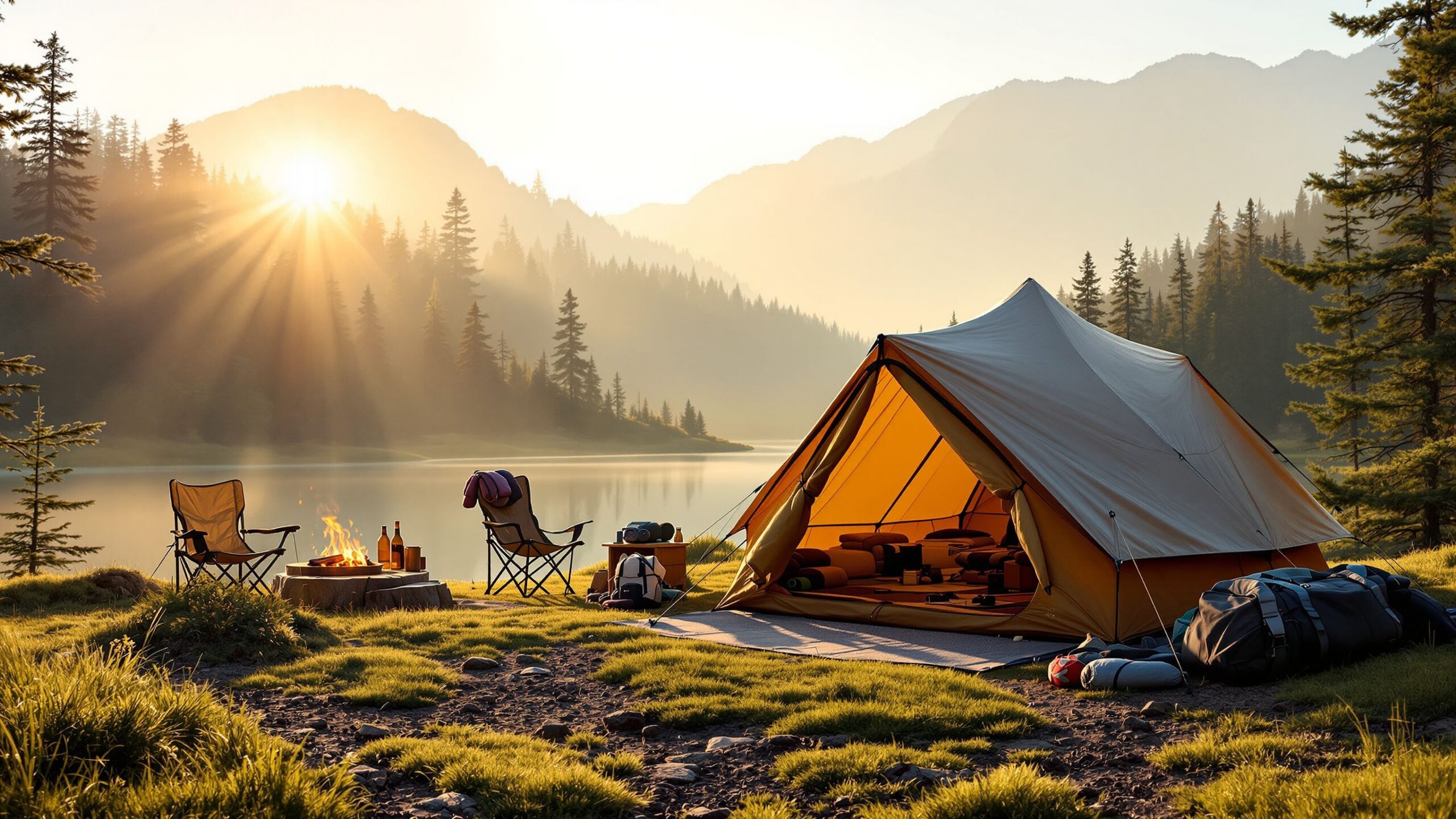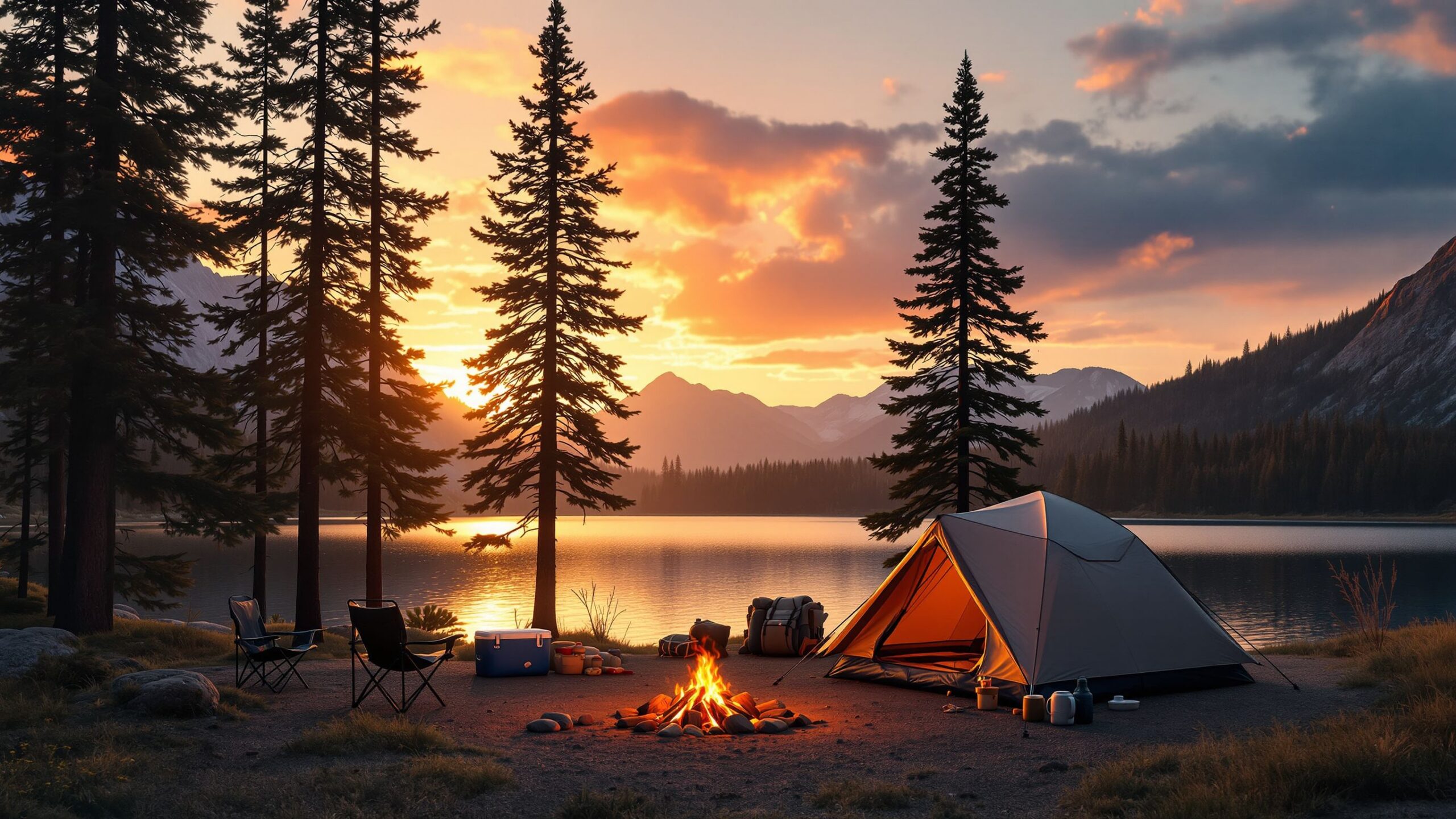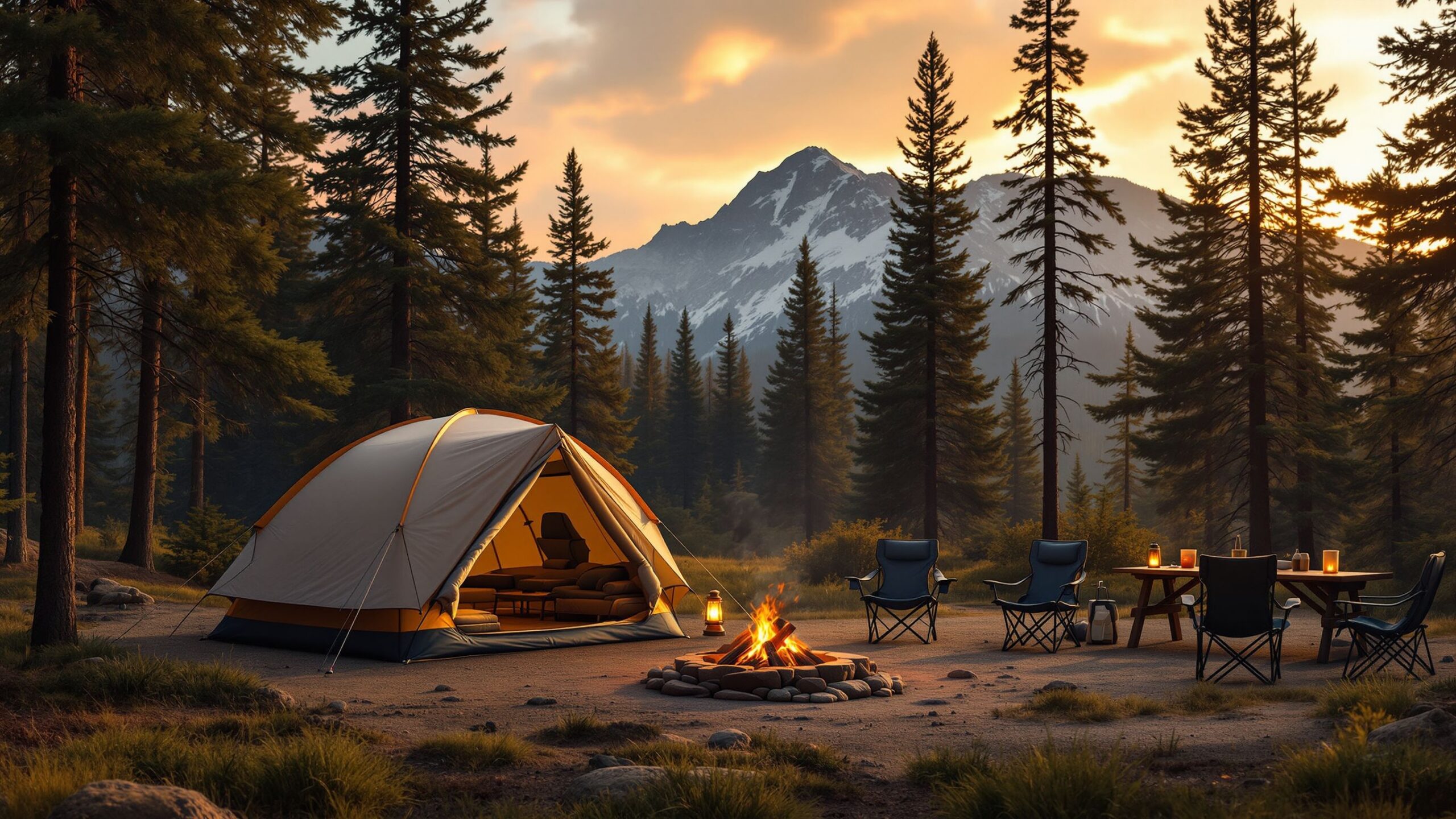
A successful camping trip begins with more than simply arriving at a destination and pitching a tent. The campsite you create serves as your home in the outdoors, providing shelter, security, and comfort throughout your adventure. Whether you are spending a weekend in a campground, exploring remote wilderness, or embarking on a family camping vacation, knowing how to build a safe and comfortable campsite can dramatically improve your experience. Many camping challenges can be avoided with proper campsite planning. Poor organization, exposure to weather, uncomfortable sleeping conditions, and wildlife encounters often result from campsite setups that fail to prioritize safety and comfort. Experienced campers understand that a thoughtfully arranged campsite helps everyone relax, sleep better, stay organized, and enjoy the outdoors with confidence. Creating a campsite that feels welcoming and secure does not require expensive equipment or years of experience. It simply requires understanding the key principles of campsite selection, organization, weather protection, and outdoor living. By focusing on these fundamentals, you can transform almost any camping location into a comfortable basecamp for adventure.
A: Safety should always come first, followed by drainage, shelter, and comfort.
A: Stay a safe distance away to protect ecosystems and avoid flooding risks.
A: Only if the trees are healthy and free from dead or hanging branches.
A: Look for erosion marks, debris lines, and low terrain.
A: They offer views but can expose campers to strong winds and storms.
A: A balance of both often provides the most comfort throughout the day.
A: Wildlife uses these paths regularly, increasing encounters and disturbances.
A: Arriving several hours before sunset gives you the best selection.
A: Not necessarily—safety and practicality are more important than views.
A: They evaluate terrain, weather, wildlife, drainage, and environmental impact before setting up.
Start With the Right Campsite Location
Every safe and comfortable campsite begins with choosing the right location. Even the best camping equipment cannot fully compensate for a poorly selected campsite.
Look for level ground whenever possible. Sleeping on sloped terrain often leads to discomfort, poor sleep quality, and constant shifting throughout the night. Flat ground allows tents to sit properly and creates a more stable foundation for your entire campsite.
Pay attention to drainage. Campsites located in depressions or low areas can collect water during rainstorms. Slightly elevated ground generally provides better drainage and helps prevent water from pooling beneath your tent.
Natural protection from wind can significantly improve comfort. Trees, hills, and rock formations often serve as effective windbreaks. However, always inspect the area above your campsite. Avoid locations beneath dead branches or unstable trees that could pose hazards during storms or windy conditions.
Distance from water sources is another important consideration. While camping directly beside a river or lake may seem appealing, these areas often attract insects and may experience cooler nighttime temperatures. A campsite within walking distance of water usually provides a better balance of convenience and comfort.
Prioritize Safety Before Comfort
Comfort is important, but safety should always come first when establishing a campsite. Taking a few extra precautions during setup can prevent many common camping problems.
Before unloading gear, carefully inspect the area for potential hazards. Look for loose rocks, steep slopes, signs of flooding, unstable trees, and evidence of wildlife activity. Identifying risks early allows you to relocate if necessary.
Weather conditions should also influence campsite planning. If rain is possible, avoid dry stream beds and natural drainage channels. If strong winds are expected, seek locations that offer natural shelter.
Keep emergency equipment easily accessible. First aid kits, flashlights, weather gear, and communication devices should never be buried beneath other equipment. In an emergency, every second matters.
A safe campsite provides peace of mind, allowing campers to fully enjoy their outdoor experience without unnecessary worries.
Set Up Your Tent Properly
The tent serves as the centerpiece of most campsites. Proper setup contributes directly to both safety and comfort.
Begin by clearing the tent area of rocks, sticks, pine cones, and other debris. Even small objects can create uncomfortable pressure points beneath sleeping pads.
Use a ground tarp or tent footprint whenever possible. This additional layer helps protect the tent floor from moisture, sharp objects, and general wear. Ensure the tarp remains slightly smaller than the tent footprint to prevent water from collecting underneath.
Follow the manufacturer’s setup instructions carefully. Secure all stakes and guylines even if the weather appears calm. Wind conditions can change quickly, and a properly anchored tent remains far more stable.
Install the rainfly if there is any possibility of precipitation. Being prepared before weather arrives is much easier than scrambling to make adjustments during a storm.
Once the tent is assembled, organize the interior efficiently. Keep essential items accessible while minimizing clutter. A tidy tent creates a more comfortable and relaxing environment.
Build a Comfortable Sleeping Area
A comfortable campsite depends heavily on quality sleep. Even the most beautiful location can become less enjoyable if you spend the night tossing and turning.
A sleeping pad is one of the most important pieces of camping equipment. In addition to cushioning, sleeping pads provide insulation from the cold ground. This insulation remains important even during warm-weather camping.
Choose a sleeping bag appropriate for expected temperatures. Many campers make the mistake of selecting sleeping bags based solely on daytime weather forecasts. Nighttime temperatures often drop significantly, especially in mountainous areas.
Pillows, sleeping bag liners, and extra blankets can add substantial comfort with minimal effort. Small improvements to your sleeping setup often produce noticeable benefits.
Arrange sleeping gear before sunset. Preparing your sleeping area while daylight remains available reduces stress and creates a smoother evening routine.
Organize Your Campsite for Efficiency
Organization plays a major role in campsite comfort. An organized campsite feels more spacious, functions more smoothly, and reduces frustration throughout the trip.
Create designated areas for sleeping, cooking, storage, and relaxation. Separating activities into specific zones improves efficiency and helps everyone know where items belong.
Keep frequently used items in accessible locations. Water bottles, flashlights, jackets, and personal essentials should be easy to reach at all times.
Store gear neatly and consistently. Returning items to the same location after use helps maintain order and prevents unnecessary searching later.
An organized campsite allows campers to spend more time enjoying the outdoors and less time managing clutter.
Create a Functional Outdoor Living Space
One of the best ways to improve campsite comfort is by creating a welcoming outdoor living area. This space becomes the gathering place for meals, conversation, relaxation, and enjoying the natural surroundings.
Arrange camp chairs in a comfortable layout that encourages interaction. Position seating to take advantage of scenic views while maintaining convenient access to cooking and activity areas.
Shade can greatly improve daytime comfort. Trees, tarps, and portable shelters help create cooler environments during hot weather and provide protection from light rain.
Consider traffic flow throughout the campsite. Paths between major areas should remain clear and unobstructed. Easy movement contributes to both safety and convenience.
A thoughtfully designed outdoor living space often becomes the favorite part of the campsite.
Establish a Safe Cooking Area
Food preparation is a central part of camping, and a well-organized cooking area contributes to both safety and enjoyment.
Position cooking equipment on stable, level surfaces. Camp stoves perform best when balanced properly, reducing the risk of spills and accidents.
Keep cooking areas separate from sleeping quarters. This arrangement helps minimize food odors near tents and reduces wildlife attraction.
Store cooking supplies in an organized manner. Having ingredients, utensils, cookware, and cleaning supplies readily available simplifies meal preparation and cleanup.
Maintain cleanliness throughout the trip. Promptly clean dishes, wipe surfaces, and dispose of food scraps properly. A clean cooking area contributes to a healthier and more comfortable campsite.
Protect Your Campsite From Wildlife
Wildlife safety is an essential part of creating a secure campsite. Animals are naturally attracted to food, odors, and improperly stored supplies.
Store food in secure containers whenever possible. In areas where bears are present, follow local recommendations regarding bear-resistant storage systems and food lockers.
Never keep food, snacks, drinks, or scented toiletries inside your tent. Even seemingly harmless items can attract curious animals.
Dispose of garbage responsibly and keep the campsite clean. Reducing food-related odors helps minimize wildlife encounters.
Observe wildlife from a safe distance and avoid feeding animals. Respecting wildlife not only protects campers but also preserves natural animal behaviors.
A wildlife-conscious campsite is safer for everyone involved.
Prepare for Changing Weather Conditions
Weather can change rapidly in outdoor environments. A comfortable campsite should be prepared for a variety of conditions.
Keep rain gear accessible and have a plan for protecting equipment during storms. Waterproof storage containers and dry bags can help keep essential items dry.
Extra layers of clothing provide flexibility as temperatures fluctuate throughout the day and night. Being prepared for changing conditions helps maintain comfort in a variety of environments.
Monitor weather forecasts whenever possible and adjust campsite arrangements accordingly. Small proactive measures often prevent larger problems later.
Experienced campers understand that weather preparation is a key component of campsite comfort and safety.
Make Campsite Lighting Work for You
Good lighting can dramatically improve campsite functionality after dark. Proper illumination enhances safety, convenience, and overall enjoyment.
Lanterns provide excellent ambient lighting for gathering areas and cooking spaces. Headlamps and flashlights offer hands-free mobility and should remain easily accessible.
Position lights strategically to illuminate important areas without creating excessive glare. Soft lighting often creates a more relaxing atmosphere while still supporting practical needs.
Keeping extra batteries available helps ensure reliable lighting throughout the trip.
Thoughtful lighting transforms a campsite into a welcoming and functional evening environment.
Maintain Cleanliness Throughout Your Stay
Cleanliness is often overlooked when discussing campsite comfort, yet it plays a major role in creating an enjoyable outdoor environment.
Regularly remove trash, organize equipment, and clean surfaces. Small maintenance tasks performed throughout the day prevent clutter from accumulating.
Keep muddy shoes outside the tent whenever possible. Protecting sleeping areas from dirt and moisture helps maintain comfort and cleanliness.
Encourage everyone in the group to participate in campsite maintenance. Shared responsibility helps keep the campsite functioning smoothly.
A clean campsite not only looks better but also supports safety, comfort, and environmental stewardship.
Conclusion
Creating a safe and comfortable campsite is one of the most important skills any camper can learn. A thoughtfully planned campsite provides shelter, security, organization, and relaxation while supporting every aspect of your outdoor adventure.
From selecting the right location and properly setting up your tent to organizing gear, preparing for weather, managing food, and maintaining cleanliness, every detail contributes to the overall experience. A well-designed campsite allows you to focus less on problems and more on enjoying nature, spending time with friends and family, and creating lasting memories.
Whether you are camping for a single night or embarking on an extended wilderness journey, investing time and effort into campsite setup will pay dividends throughout your trip. By prioritizing both safety and comfort, you can create an outdoor home that enhances every adventure and helps you fully appreciate the beauty of the natural world.