Pack Around the Moments Your Family Will Share
A family camping checklist becomes useful when it answers more than whether the tent and sleeping bags are in the car. Someone needs to know where the toothbrushes are after dark, which bag holds a child’s dry clothes, and whether tomorrow’s breakfast can be reached without unloading the entire vehicle. Shared camping adds dozens of small handoffs between adults and children, and the packing system should make those handoffs easy. Rather than building an enormous list of everything a family might someday use, organize the trip around sleeping, dressing, eating, washing, moving around, and leaving camp. Assign responsibility for each group of supplies, then confirm the essential items together before departure. The result is a checklist that supports ordinary family life outdoors while leaving enough space and energy to enjoy being there.
A: Begin with confirmed destination facilities and the supplies your family already owns.
A: One checker can confirm the stove, fuel, utensils, food, and cleaning supplies work together.
A: Give them age-appropriate tasks while an adult confirms essential items.
A: An identifiable personal bag and grouped complete changes reduce searching.
A: Arrange your actual pads and bedding inside while leaving usable door access.
A: It makes repeated trips to campground facilities easier for everyone to manage.
A: Keep suitable layers, lights, water, reservation information, and an uncomplicated meal reachable.
A: Choose a few suitable options and preserve space for necessary camp systems.
A: Do a brief physical check after loading and after any last-minute unpacking.
A: Record essential omissions, remove unused clutter, and adjust for the family's changing needs.
Write Down the Destination’s Promises and Gaps
Begin with the actual reservation and campground information. Confirm the dates, permitted vehicle and tent arrangement, check-in process, water availability, toilet facilities, and food-storage rules. A site described as developed can still differ substantially from another campground your family knows. The National Park Service frontcountry camping guide explains common campground arrangements and encourages checking the destination’s details. Keep the information accessible offline so the packing plan remains understandable when mobile service disappears.
List what the destination provides beside what the family must bring. An available picnic table can reduce furniture needs, while a long walk from parking changes how supplies should be carried. Check whether showers, electricity, firewood sales, or dishwashing facilities are actually available during your dates. Distinguish a seasonal service from a guaranteed one. Every confirmed gap should lead to a specific packing decision rather than a vague assumption that another adult will handle it.
Share this short destination summary with the family before assigning bags. A child who understands that the bathroom is a walk away can help prepare a small personal kit, while adults can make realistic decisions about furniture and water containers. Keep the summary brief enough to reread during loading. The important details should remain easy to find among reservation messages and travel plans.
Build the weather portion of the list close enough to departure to reflect the forecast, while remembering that the final campsite may feel different from home. Note expected nighttime conditions, rain possibilities, and the destination’s exposure. Bring suitable clothing and shelter for those conditions and keep a sensible change-of-plan option. More equipment cannot resolve every forecast. A checklist is strongest when it also records circumstances that would change the trip itself.
Give Every Sleeper a Complete Nighttime Setup
Allocate sleeping space using the actual pads, bedding, and people rather than relying only on the tent’s nominal capacity. Spread the system out at home and confirm that doors remain usable. Each person needs an appropriate sleeping surface and bedding suited to expected conditions, plus a sensible location for clothing and personal items. Keep damp outerwear outside the clean sleep arrangement where the shelter permits. A carefully checked sleeping system supports the trip more than numerous decorative campsite extras.
Pack a dry bedtime change separately from day clothing, especially for children likely to find puddles or dusty ground. Include the familiar item that helps a particular child settle, if appropriate, without turning the tent into a bedroom full of toys. Place lights where adults can find them and children can use them as appropriate to their age. Test the complete nighttime arrangement before departure. The first attempt to locate a pillow or operate a headlamp should not happen while everyone is tired. If more than one child uses similar bedding, make its ownership understandable without relying on a complicated system. Let each camper practice putting personal items back in the same place. Children can then contribute to keeping the tent organized instead of asking an adult to locate every object. Check any batteries or charging arrangements before the bags are closed.
Use Personal Clothing Bags That Children Understand
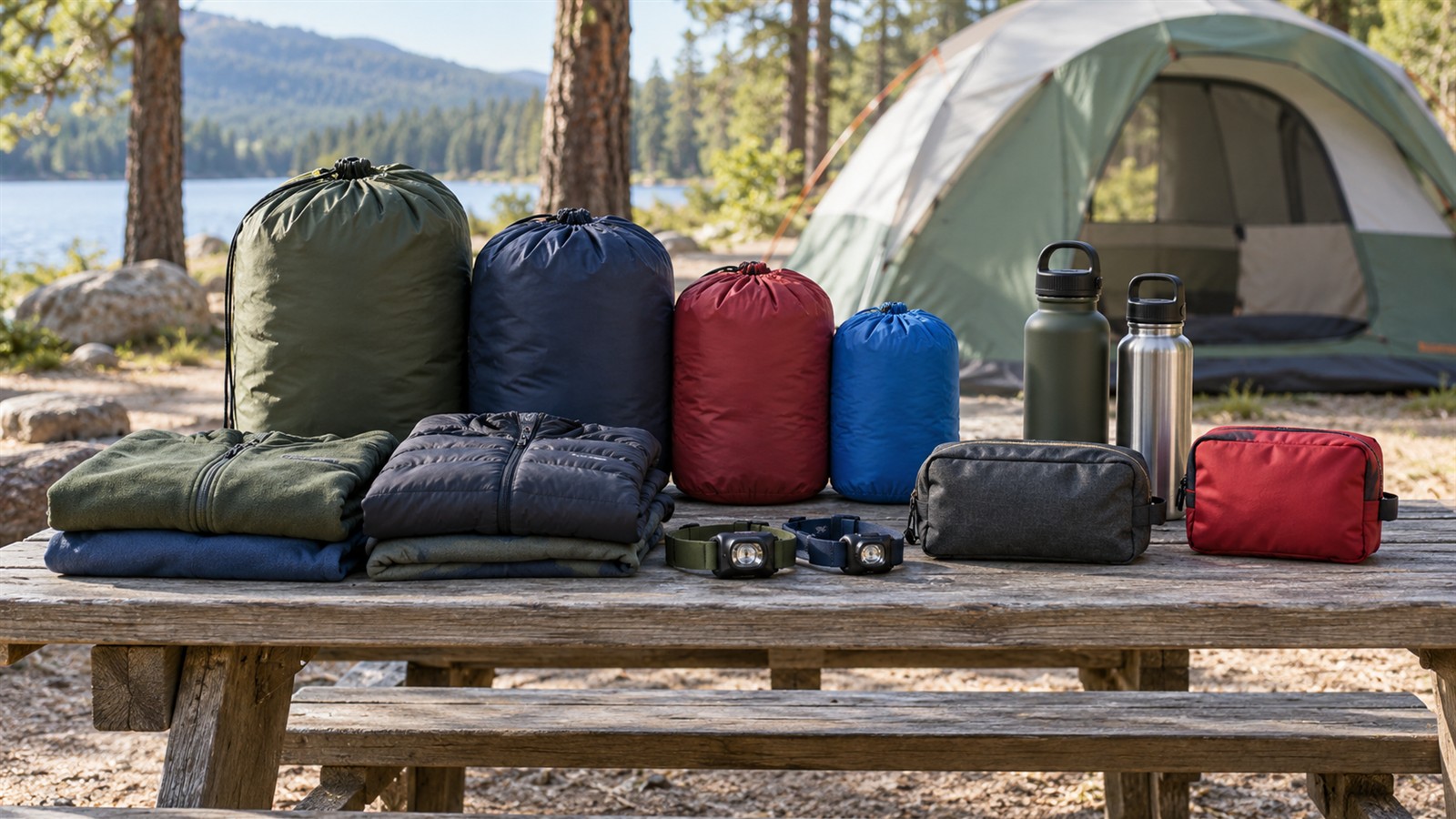
Choose a simple clothing system based on the trip length, forecast, and each child’s needs. One small bag per person often makes ownership easier to understand than a shared suitcase full of mixed socks and layers. Group a complete change together where that helps younger campers. Older children can help choose and check their own clothing while an adult confirms essential coverage. Responsibility should be meaningful without assuming a child’s first packing attempt will be complete.
Separate dry reserve clothing from items likely to get dirty during travel or early play. Rain protection, warm layers, suitable footwear, sun protection, and sleepwear should be located deliberately rather than scattered through multiple bags. Consider how wet shoes or muddy trousers will travel home. A spare bag for dirty clothing helps protect clean supplies but needs an airing and washing routine afterward. Packing organization is useful only when it remains workable after the first change of clothes.
Keep the clothing checklist specific enough to act on. Writing a named layer or a counted pair of socks is more useful than adding the general word clothes. At the same time, avoid carrying several duplicate outfits for hypothetical events that can be handled with a simple wash or a changed activity. Review what your family normally uses and adjust for the destination. The aim is a suitable reserve, not enough luggage to eliminate every small inconvenience.
Make the Shared Kitchen Easy to Account For
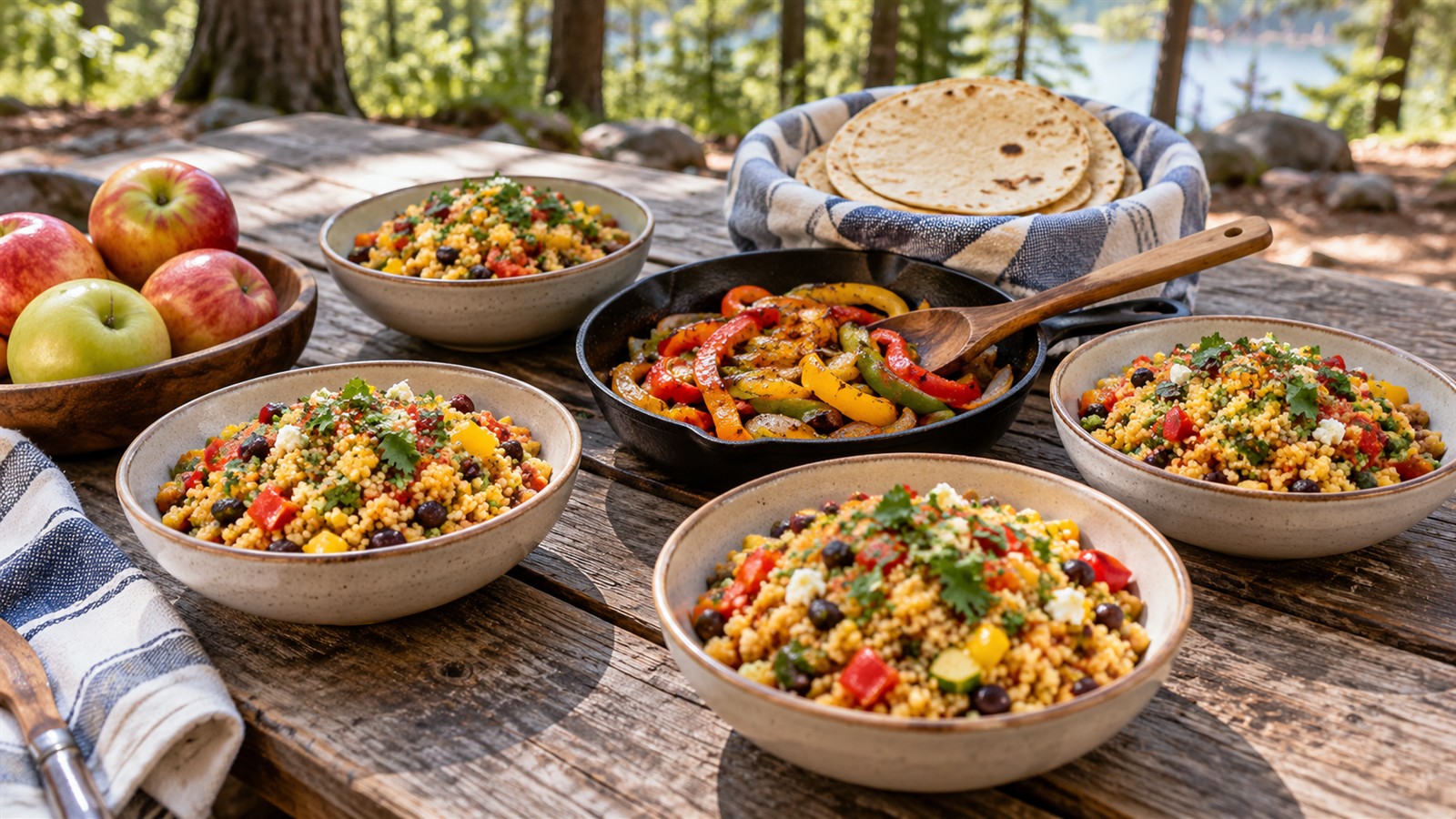
Pack kitchen equipment from the planned menu, tracing one meal from storage through serving and washing. Include appropriate food storage, drinking water arrangements, cooking equipment permitted at the destination, essential utensils, plates or bowls, and cleanup supplies. Account for required fuel and compatible ignition equipment if a stove is part of the plan. Check the appliance instructions and practice using it before leaving. Assign one adult to verify the whole cooking system, because a stove packed by one person and fuel assumed by another creates a predictable gap. Keep an uncomplicated backup meal accessible for a delayed arrival.
Gather Health, Hygiene, and Bathroom Supplies Together
Prepare a readily accessible kit for ordinary handwashing and personal hygiene. Include soap, an appropriate water arrangement, towels or drying supplies, toothbrushes, and destination-specific bathroom items. Know how the campground expects washing water and waste to be handled. A bathroom bag is especially useful when facilities are a short walk away, because a child should not have to search several storage boxes before each trip. Show every adult where it lives.
Pack personal medicines according to their storage and use requirements, and place essential information where the responsible adults can access it. Bring a first-aid kit appropriate to the outing and know how to use its contents. Consider each family member’s established needs instead of assuming a generic kit covers everything. If a need requires professional advice, resolve it before travel. Keep these supplies secured from children while maintaining practical adult access. Review sun and insect protection appropriate to the family and destination, following product directions and any established professional guidance. Place regularly used supplies where the responsible adult can reach them during daytime activities rather than at the bottom of a large kitchen bin. For a walk away from camp, decide which essentials accompany the group. A well-stocked campsite kit does little good when the item you need was left far behind.
Plan nighttime bathroom trips in daylight. Locate the route, identify who accompanies younger children, and keep suitable shoes and lights available. Include relevant supplies for younger campers without assuming the campground shop carries the right item or size. A dry change and a towel can make an ordinary accident easier to manage. These are practical preparations that reduce stressful searching when the family most wants to return to sleep.
Pack Activities Around Attention, Energy, and Space
A few familiar activities can help during setup, meals, or wet weather. Choose items suited to the children’s ages and the campsite’s available space, such as drawing materials, a small game, or a simple nature-observation activity. The NPS camping with kids guidance encourages involving children and setting reasonable expectations. Use that approach to give children appropriate jobs as well as entertainment. A child who helps place sleeping pads is participating in camp life, not merely waiting for adults to finish it.
Avoid packing so many activities that the car fills with equipment nobody has time to use. Leave room for unstructured observation and rest, particularly after a long drive. Check any destination restrictions affecting bikes, sports equipment, collecting natural objects, or water activities. Pack required protective equipment for the activities you actually plan. An attractive extra becomes less useful if it crowds out accessible warm clothing or makes departure harder.
Assign Owners and Load in Arrival Order
Divide packing responsibility by complete systems rather than isolated objects. One adult can own shelter and sleeping setup, another kitchen and food, while personal bags belong to their individual users with suitable oversight. Record who checks a shared category and when it is complete. This avoids the common situation in which both adults packed mugs but neither packed the washing basin. Responsibility should make the final check faster, not turn an overlooked item into an argument.
Load the vehicle in the order that supports arrival. Keep reservation details, weather clothing, lights, water, and the first simple meal reachable. Shelter components need to emerge before the bags that belong inside the tent. Secure cargo appropriately and preserve safe visibility and seating. Conduct one trial load if the combination of vehicle and equipment is unfamiliar. Finding out at home that a rigid bin blocks the tent poles is a useful discovery.
Give children a small accessible travel bag with suitable comfort items and supplies that adults have approved. Keep essential safety equipment and medicines under appropriate adult control rather than mixing them with play materials. Explain which bags may be opened in transit and which need to stay packed until camp. A clear plan reduces unnecessary rummaging. Give frequently needed travel supplies a different location from the equipment that must remain secured until arrival. An adult should be able to retrieve a rain layer or suitable snack during a stop without releasing an unstable stack of luggage. Keep the load arranged according to vehicle guidance, and repeat the same care when repacking for home. It also helps keep the arrival sequence intact after several hours on the road.
Finish With Two Checks and a Homecoming Plan
Use a first check while loading and a short departure check immediately before leaving. The final pass should confirm people, required personal essentials, reservation information, shelter, sleeping equipment, suitable clothing, food, water arrangements, and critical equipment compatibility. Physically verify high-consequence items instead of relying on memory. Review which supplies were moved after the original packing check. The bag removed to find a jacket needs to return to the vehicle before departure.
Add the return journey to the checklist. Bring a way to separate wet equipment, food waste, and dirty laundry, then plan to dry shelter and bedding appropriately at home. After the trip, cross out unused clutter and add any essential omission while the experience is fresh. Keep the checklist tied to your family’s real habits, ages, and destinations. A strong family packing list grows more accurate with use, making each subsequent departure calmer and each campsite easier to share. Keep a dated copy or simple trip annotation when the destination has unusual facilities. That record prevents confusing the requirements of a serviced campground with those of a later, less developed site.