Choose a Camp Stove Around Dinner, Not the Specification Sheet
A reliable campsite meal usually depends on an ordinary sequence done well: connect the correct fuel, place the stove securely, light it as directed, and cook without reorganizing the kitchen halfway through. Camping stoves that deliver reliable meals without complicated setup make that sequence understandable and repeatable. They give your cookware enough room, let you control the heat for the food you actually eat, and pack with the fuel and accessories you can realistically transport. Maximum burner output tells only part of that story. A stove can look powerful on paper and still be frustrating when a large pan blocks the second burner or a tiny adjustment sends breakfast from barely warm to scorched. Start with your familiar meals, your usual group, and the conditions in which you will use the stove.
A: They help when the menu needs simultaneous pots and both pieces of cookware fit within the instructions.
A: Usable heat control, wind behavior, cookware compatibility, and cooking space also shape meals.
A: No. Confirm the precise fuel, container, regulator, and supported configuration for the stove.
A: A menu that cooks in one suitable pot or follows a manageable sequence can suit one burner.
A: No. Use fuel-burning camp stoves outdoors as instructed and plan an alternative meal.
A: Yes. Unapproved shielding can trap heat around equipment, including fuel components.
A: Practice approved assembly, lighting, a familiar meal, shutdown, and cleaning outdoors.
A: Stop and follow the model's instructions, including its permitted troubleshooting and backup lighting steps.
A: Required regulators, approved hoses, removable supports, and other model-specific pieces need a packing check.
A: After the specified shutdown and sufficient cooling, using the manufacturer's approved methods.
Use a Typical Meal to Define the Stove’s Job
Write down a breakfast and dinner you expect to make at camp. Boiling water for oatmeal creates a different cooking task from frying potatoes while keeping a saucepan warm. Consider how many pots must operate at the same time and how long each stage takes. This exercise often reveals that control and usable cooking space deserve more attention than advertised power. The right stove should make your actual menu practical without asking everyone to wait through avoidable rounds of cooking.
Group size changes the calculation, but not always in the obvious way. A large group eating one-pot meals may need a stable platform for suitable cookware more than several burners. Two people who cook separate dishes may value simultaneous heat sources even with smaller portions. Think about serving order, dietary needs, and whether ingredients can be prepared before the stove is lit. Reducing unnecessary cooking steps can simplify camp more effectively than buying a larger appliance.
Decide What the Second Burner Will Really Do
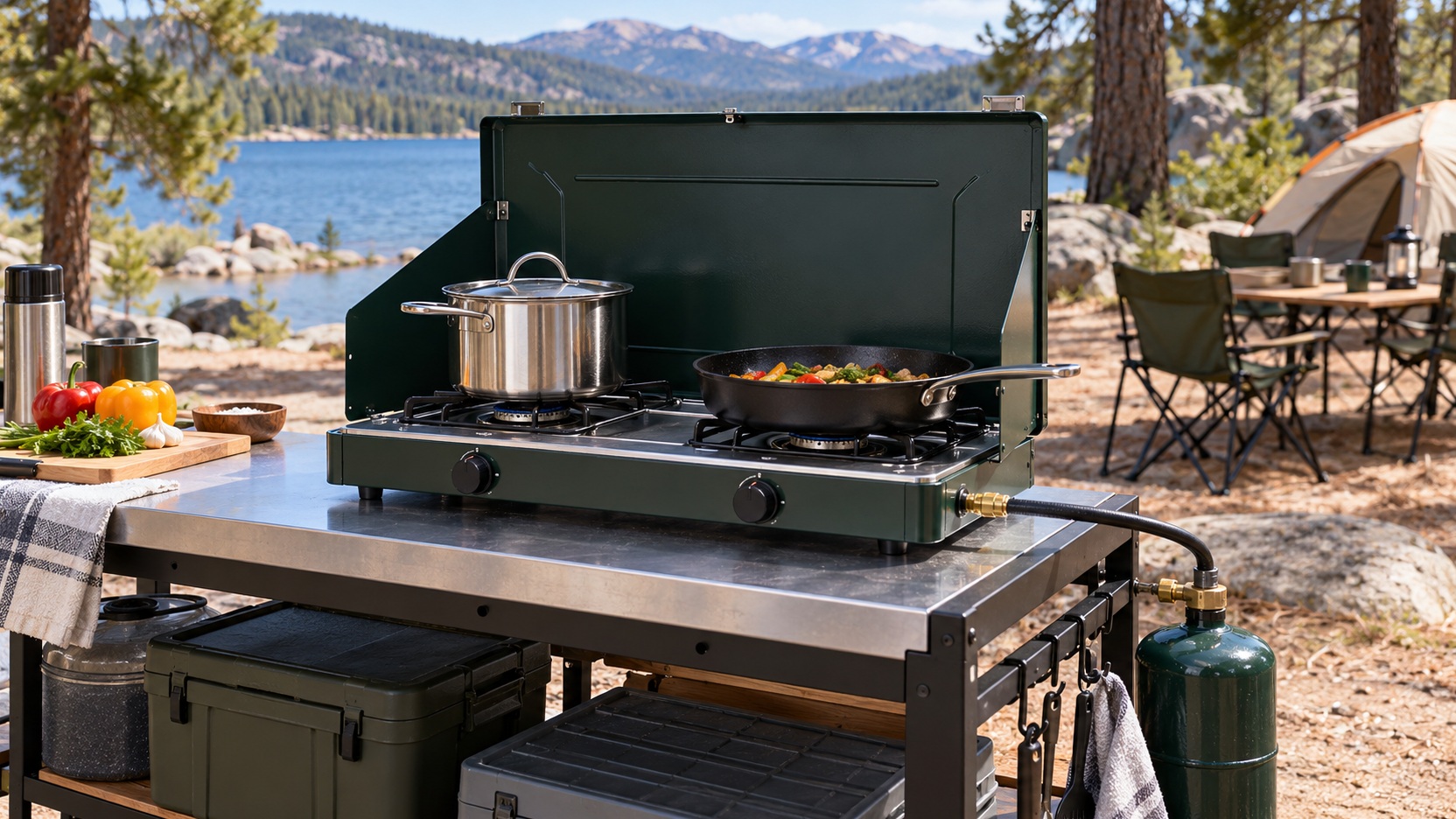
A two-burner stove is attractive when one pot can simmer while another task continues. However, the spacing between burners determines whether both pieces of cookware fit comfortably. Check permitted pot dimensions in the instructions and test your intended arrangement while the stove is cold and correctly assembled. Handles must remain reachable without creating an awkward crossing over another burner. A nominal two-burner design is less useful when your regular skillet occupies most of the available surface.
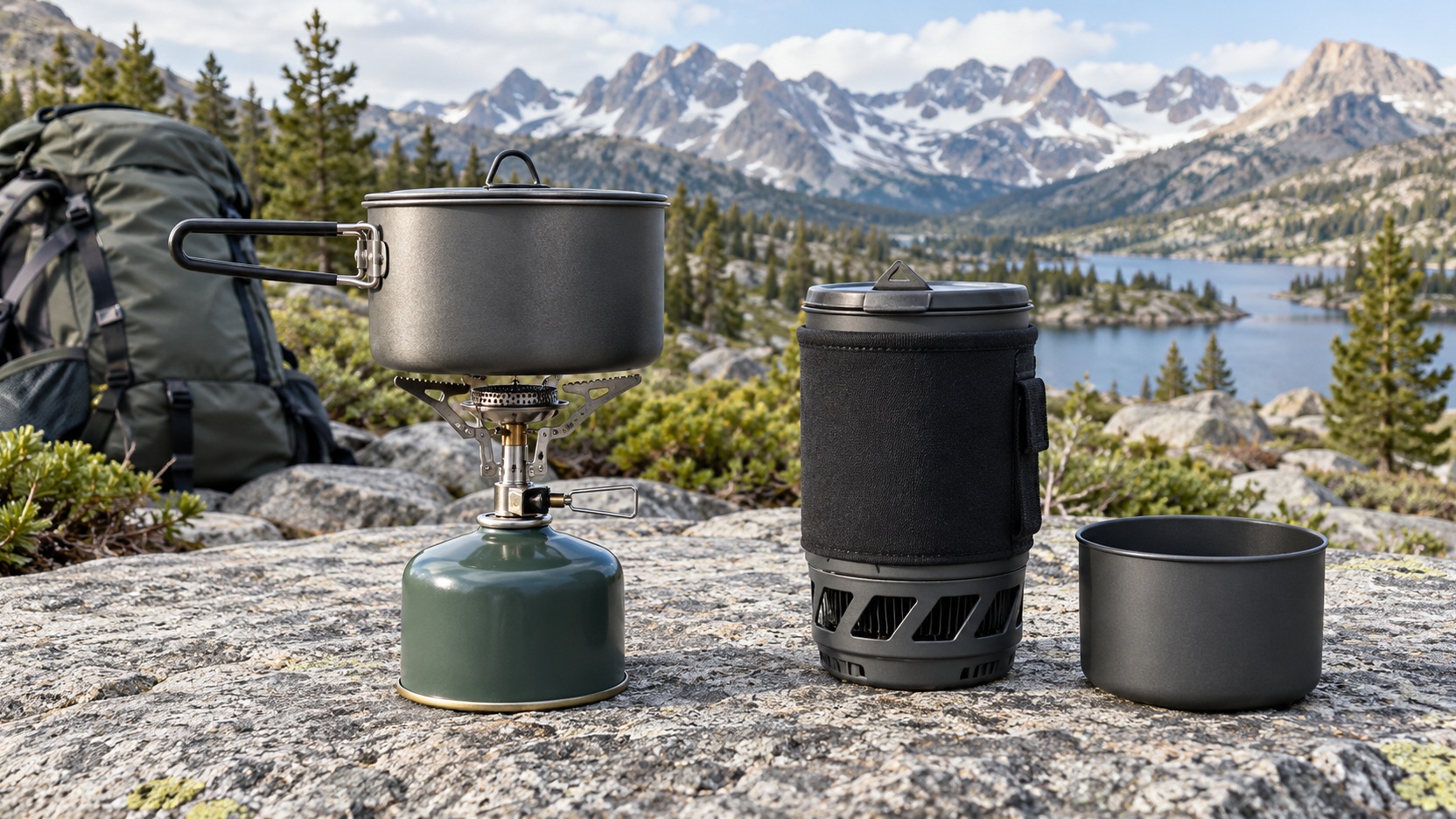
A single burner can be perfectly workable for simple meals, particularly when your cooking sequence does not require overlapping tasks. It may also leave more room on the cooking station for ingredients and utensils. The compromise is scheduling: water, sauces, and frying may need to happen in order. Decide whether that pace suits your group before choosing the smaller package. Saving space is valuable when it does not turn every meal into a long wait.
Additional burners add capacity along with transport and placement demands. More cooking positions can require more fuel, more surface area, and more attention while several pans are active. Evaluate the complete setup rather than assuming expansion automatically improves efficiency. If you routinely use only one burner, the unused hardware may simply occupy cargo space. Let the meal plan justify the appliance size.
Look for Controllable Heat at Ordinary Cooking Levels
High output can be useful for heating water, but many familiar meals depend on moderate or low heat. A useful control should allow deliberate adjustments without making a tiny knob movement change the flame dramatically. When possible, consult reliable documentation or a suitable demonstration of the exact model rather than inferring simmering quality from a burner rating. Pot material, pan thickness, wind, and food quantity also affect the result. Treat the stove and cookware as a cooking combination, with enough room to stir and enough control to finish a meal without constant rescue.
Make Fuel Compatibility Clear Before Departure
Choose the fuel system with a realistic supply plan. Confirm the precise fuel and container type approved for the stove, then check how those containers are obtained and transported for your trip. Similar-looking connections are not proof of compatibility. Keep the instructions available and use only supported adapters or regulators in the configurations the manufacturer permits. A straightforward system is one you can identify and assemble confidently, including after it has been packed away for several months.
Fuel logistics extend beyond the first container. Estimate use from your actual menu and prior experience, leaving appropriate margin for conditions and delays. Check remaining fuel before departure rather than judging a partly used container by memory. Plan suitable storage and disposal or return arrangements according to applicable guidance. A stove that uses familiar fuel can still become inconvenient if the only supply source is far from your destination or closed when you arrive.
Build a Stable Outdoor Cooking Position
The stove needs a supporting location permitted by its instructions, with the required clearance from combustible materials and surrounding equipment. Make sure the table or stand is also suitable for that appliance and load. Keep the area orderly enough that a pot can be lifted without contacting packaging or loose fabric. A stable cold setup is worth checking before fuel is connected. Moving a busy kitchen after cooking begins creates unnecessary difficulty.
Arrange people around the station as deliberately as equipment. Children, pets, and passing campers should not need to cross the cooking area to reach seats or the tent. Give the cook a clear place to stand and a suitable landing spot for cookware. Place frequently used tools where they can be reached without leaning across heat. These choices support reliable meals because fewer interruptions compete for attention at the burner.
Use fuel-burning camp stoves outdoors as instructed, never inside tents, vehicles, or other enclosed shelters. The CDC’s camping safety guidance warns that opening tent flaps or vehicle windows does not adequately address carbon monoxide buildup from this equipment. Plan a weather-appropriate meal alternative before departure so an unpleasant forecast does not force a rushed decision. Follow the stove’s own instructions for clearances, connections, lighting, and shutdown.
Treat Wind as a System Issue
Wind can change cooking performance and make apparently simple meals take longer. Look at the stove’s intended wind-management design and follow the manufacturer’s guidance for its use. Built-in panels may have specific operating positions, and extra shielding can create heat problems if improvised around fuel equipment. Avoid assuming that enclosing more of the stove always improves the situation. A suitable open-air location and an approved setup are more important than an aggressive homemade wind barrier.
Adapt the cooking plan when conditions make normal preparation awkward. A lid used with compatible cookware can help retain heat during appropriate tasks, while smaller batches may be easier to manage than an overloaded pan. Keep ingredients organized so burners do not run while everyone searches for supplies. If conditions prevent safe operation within the instructions, use your planned alternative. Reliability includes recognizing when the original meal should wait.
Check Ignition and Controls as Usable Parts
Integrated ignition can simplify lighting when it works as intended, but it should not be your only preparation. Follow the model’s instructions for any permitted backup lighting method and carry suitable supplies accordingly. Test that you understand the control positions before the trip, including which direction fully closes each valve. Do not troubleshoot around a suspected leak or unfamiliar behavior while trying to get dinner started. Stop and follow the manufacturer’s procedure whenever fuel connections or lighting do not behave normally.
Pack the Small Parts That Keep Cooking Simple
Stove convenience depends partly on what travels with it. Regulators, approved hoses, grates, and any required supporting pieces should have protected, consistent storage locations. Check the complete contents before departure rather than assuming the appliance case contains everything. Keep the user instructions accessible, either in a protected paper copy or another dependable format. A missing small component can make a large, otherwise capable stove unusable.
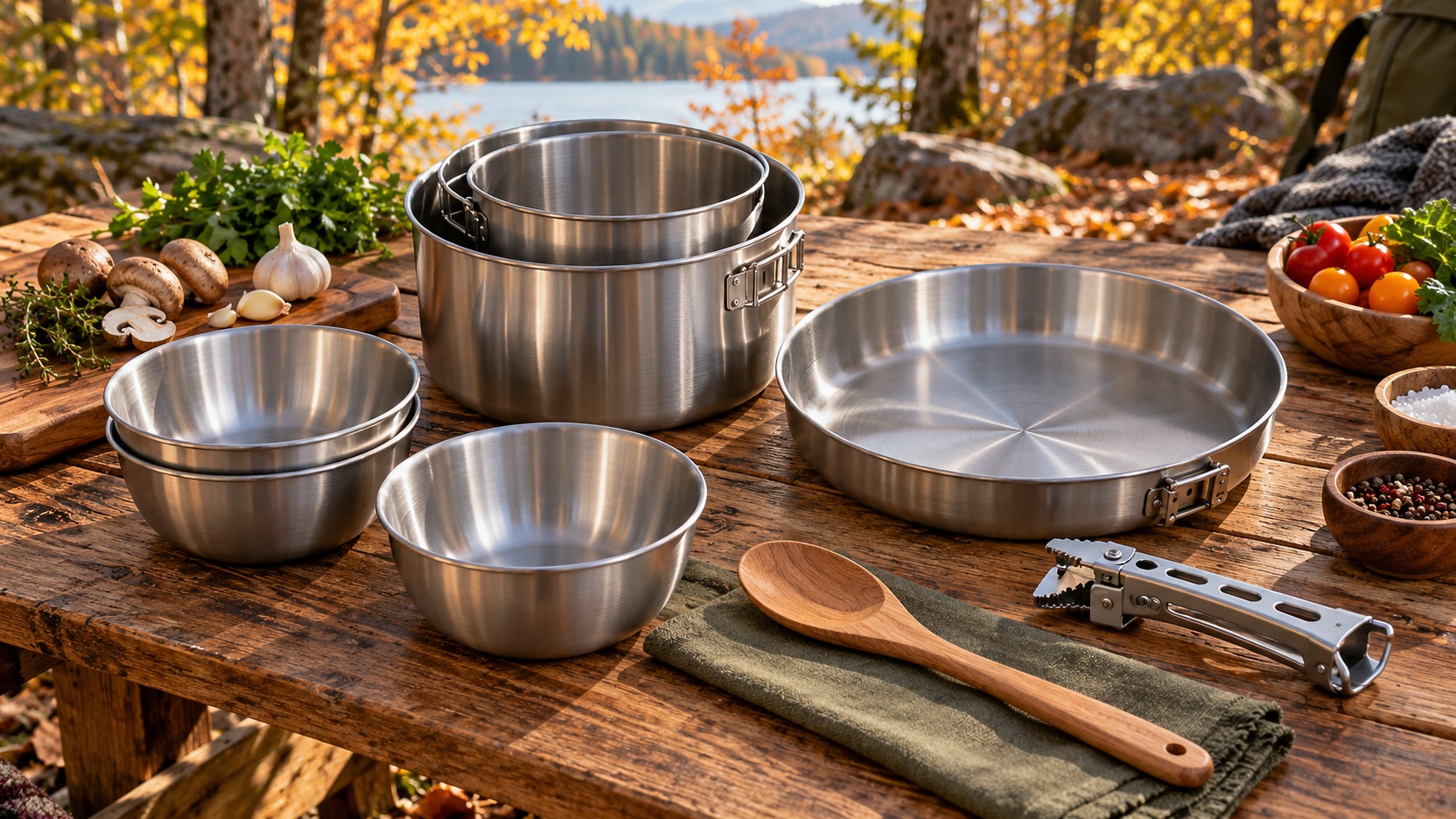
Choose cookware and utensils as a compact working set. A pan that nests well but has an awkward handle may slow preparation, while a giant pot can exceed the stove’s permitted size despite fitting in the vehicle. Bring tools that suit the surface and cooking tasks, plus a safe method for handling hot cookware. Consider how a lid, spatula, and serving spoon will be placed while in use. Good organization makes a modest stove feel easier to operate than a poorly arranged elaborate kitchen.
Food preparation can remove complexity before it reaches the burner. Measure suitable ingredients, organize recipe components, and select meals compatible with the cold storage and washing facilities you have. Avoid packing a kitchen full of duplicate tools for dishes you are unlikely to make. Keep an uncomplicated meal available for late arrivals or days when the planned cooking session no longer fits. A dependable menu is part of a dependable stove setup.
Clean and Inspect When the Equipment Has Cooled
Follow the shutdown and disconnection sequence in the manual and allow the appliance to cool before handling or packing it. Clean food residues using the approved methods and avoid forcing debris into burner openings or control components. Inspect accessible parts for damage or unusual wear as instructed. Store the stove dry and protect vulnerable components during transport. Maintenance should preserve the approved system rather than involve improvised adjustments to fuel hardware.
Review your fuel supply and accessories while packing away the kitchen. Record whether a meal took substantially longer than expected and whether the cause was wind, pan size, preparation, or unfamiliar controls. This is more useful than concluding that every slow dinner requires a more powerful stove. Small changes to cookware or organization may solve the problem. If the appliance repeatedly behaves abnormally, seek the manufacturer’s guidance before the next outing.
Buy the Simplest System That Covers Your Regular Meals
Compare stoves using a complete picture: appliance, approved fuel equipment, compatible cookware, supporting surface, and the space all of it occupies. Look for accessible instructions, usable controls, and a design that matches your group’s routine. Price is easier to judge when you know which functions you will use and which are merely appealing extras. A compact single burner can provide excellent practical value for one cooking style, while a stable two-burner setup can justify its size for another.
Before the first trip, rehearse the entire process outdoors under appropriate conditions. Assemble the system, prepare a familiar meal, and practice shutdown and cleanup exactly as directed. Notice where the workflow becomes awkward and correct the arrangement while there is no hungry group waiting. The result should be confidence based on a repeatable routine. Reliable campsite cooking feels simple because the equipment, fuel plan, cookware, and menu have already been made to work together.
Keep a short equipment inventory with the packed stove so the same complete arrangement leaves home each time. Include the model-specific connections and any permitted support pieces that are easily stored elsewhere by mistake. Review that inventory when lending the appliance or sharing cooking responsibilities with another camper. Familiar equipment becomes less straightforward when someone expects a component or control to work like a different stove they have used before.
Make the first campsite meal something you already know how to prepare. That lets you assess the stove’s controls and the kitchen layout without also learning an unfamiliar recipe. Notice whether the second burner truly helps, whether the serving space remains available, and whether cleanup fits the available water and daylight. Those observations provide a practical basis for refining the setup before the next trip.