Compare the Cooking System That Goes Into Your Pack
A tiny burner can look like the obvious choice until you add its pot, fuel container, support pieces, and the extra fuel your actual meals require. An integrated system can seem heavy until its packed shape and cooking routine suit the trip better than a collection of separate parts. Backpacking stoves compared fairly need that wider view. Weight matters, but so do dependable operation in the expected conditions, stability beneath suitable cookware, fuel availability, and the difference between heating water and preparing a meal. Begin with the route and menu rather than the smallest number in a specification table. The useful comparison is the complete cooking system you will carry, operate, and repack each day, including the compromises that become noticeable when you are hungry and ready to stop walking.
A: Its required pot, supports, ignition supplies, and trip fuel may outweigh another complete system.
A: It can suit a repeated routine supported by its matched components, especially when its cooking format fits the menu.
A: No. Fuel-line arrangement, container orientation, and approved accessories depend on the exact model.
A: Consider pot capacity, meal timing, total equipment, and whether waiting for sequential cooking is acceptable.
A: No. Conditions, fuel, cookware, water quantity, and the test procedure affect results.
A: It may pack well but can make stirring, eating, or cleaning less convenient.
A: Only fuel and containers explicitly approved for the stove belong in the system.
A: The route needs a reliable opportunity to obtain the exact approved fuel. Check access and opening hours before choosing a system that depends on a particular resupply stop.
A: Record consumption alongside menu, group size, and conditions from comparable outings.
A: Review the complete routine and identify whether limitations came from equipment, planning, conditions, or unfamiliarity.
Define What You Expect to Eat on the Trail
A water-only menu asks less of a stove than a menu involving frying, stirring, or simmering. If every hot meal begins with a measured amount of boiling water, an efficient dedicated cooking system may suit the routine. If you enjoy preparing ingredients in the pot, control and easy access to the food become more important. Write down the meals you will actually carry before comparing burner designs. Doing so prevents an attractive specification from solving a cooking problem you do not have.
Include drinks and shared cooking in the plan. Repeated hot beverages can account for a meaningful portion of fuel use, and two hikers may either share one pot or prepare meals separately. Consider whether waiting for a second boil feels acceptable at the end of a long day. A larger compatible pot may suit shared meals, but it changes stability and packed volume. Define the routine clearly enough that you can compare systems performing the same task.
Also decide what happens when the cooking plan is interrupted. Fuel shortages, equipment problems, and conditions outside the stove’s operating limits should not leave the group without a practical food option. Carry appropriate food that can be eaten without cooking when your trip requires that margin. This is part of planning a functional system, not a reason to add several redundant appliances. The aim is a simple, realistic approach to meals across the trip.
Compare Complete Carried Weight
Make a list of everything required for each candidate system: burner, pot, lid, approved support components, ignition supplies, and fuel in its container. Compare those totals for the same trip and menu rather than mixing a bare burner weight with a fully equipped cooking package. A small difference in hardware may be less significant once fuel and cookware are included. Conversely, accessories that seem minor individually can add up. The comparison becomes useful when both columns describe ready-to-cook equipment.
Separate consumable fuel from container weight. As fuel is used, the container remains in the pack until it can be handled appropriately, so a nearly empty canister still occupies space and adds mass. A partly used container may also complicate departure decisions when its remaining contents are uncertain. Use your own recorded cooking experience where available instead of assuming a published consumption figure will match every campsite. Carry appropriate margin without treating uncertainty as an excuse to ignore the calculation.
Understand the Appeal and Limits of Upright Canister Stoves
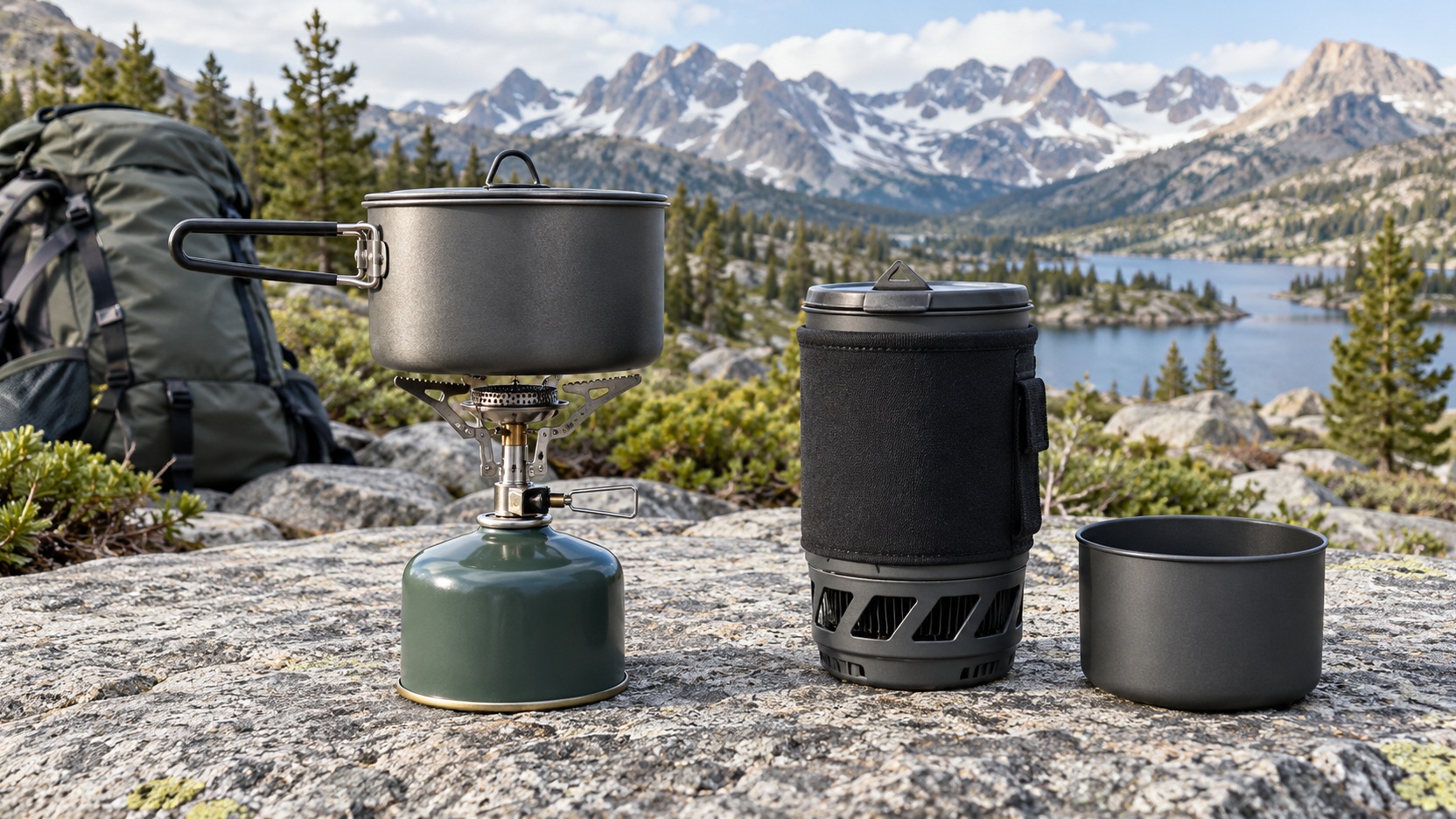
An upright canister stove can provide a compact burner and a flexible choice of compatible cookware within its instructions. The assembled height and small base deserve attention because the pot sits above the fuel container. Place the system on an appropriate stable surface, use approved support accessories where specified, and respect pot-size limits. Fuel performance depends on conditions and the particular equipment, so avoid assuming every small canister design behaves identically in cold or wind. Simplicity is valuable when the setup matches the route, but it does not remove the need to understand the exact model.
Look at Integrated Systems as a Matched Package
Integrated cooking systems combine components designed to work together, often with a dedicated pot and heat-transfer arrangement. Their advantage may lie in a predictable water-heating routine and organized packing rather than the lowest burner-only weight. Check usable cooking volume, permitted accessories, and whether the design supports the foods you intend to prepare. A narrow cup can be convenient for water but awkward for a meal that needs frequent stirring. The shape that packs well should still make sense while you are eating and cleaning.
Compatibility is particularly important with matched systems. A pot that looks similar may not connect or perform as intended, and accessories can differ between model families. Read the exact instructions before assuming components are interchangeable. For example, MSR’s WindBurner information describes an engineered pot-and-stove system and specific accessory guidance. Use that as a reminder to evaluate the supported package rather than treating all integrated equipment as a universal collection of parts.
Consider Remote Fuel Placement for Specific Needs
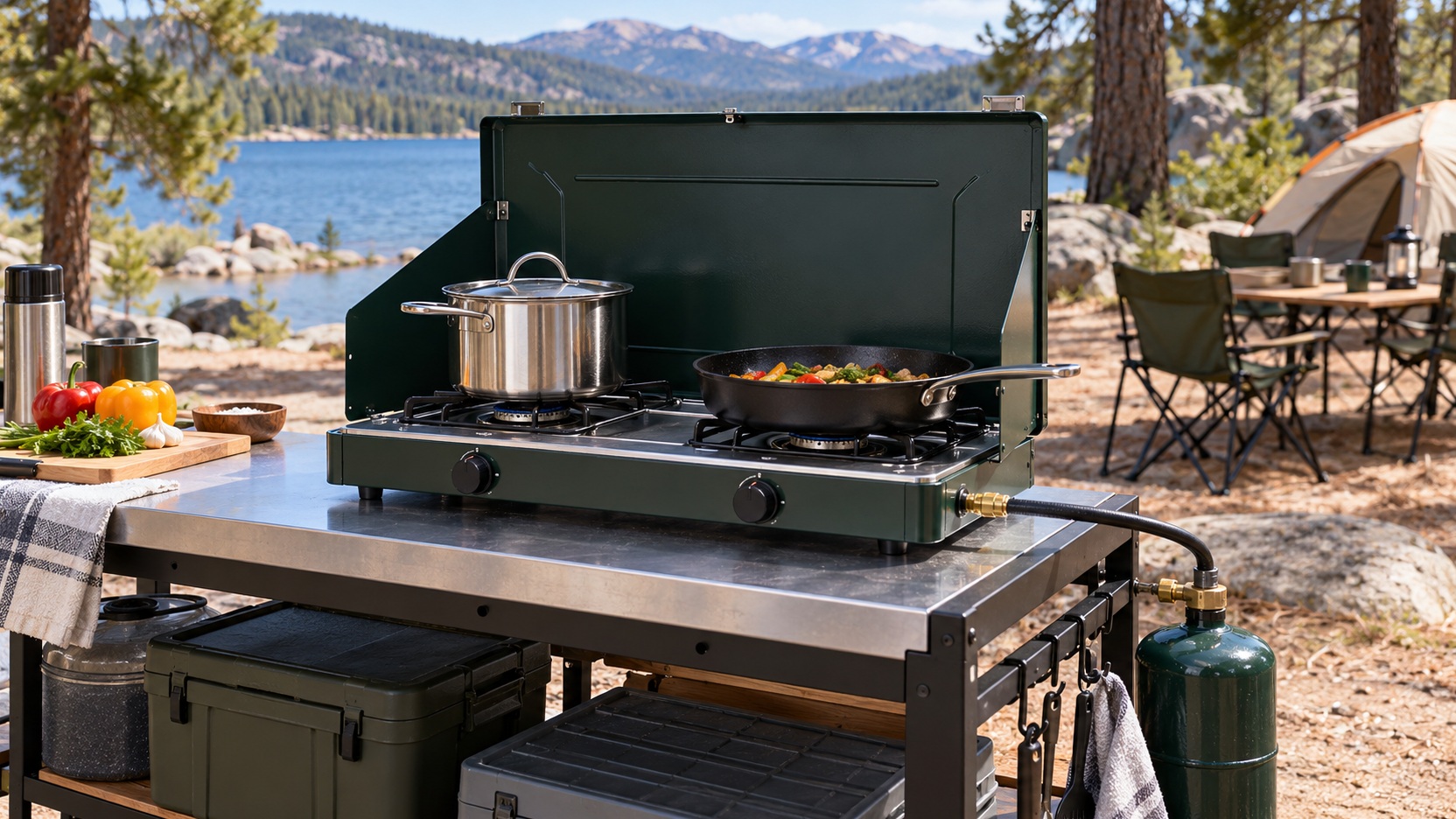
A remote-canister arrangement places the burner separately from its fuel container, often allowing a lower cooking position. That can be useful with appropriate cookware, but it introduces a hose and a somewhat different packing process. Check how the fuel line should be arranged and what surfaces or clearances the manufacturer requires. Do not infer operation from another remote stove that looks similar. Features such as fuel-container orientation depend on the specific approved design and operating procedure.
Some hikers consider liquid-fuel stoves for trips where their operating characteristics and fuel logistics fit particular demands. These systems generally involve a different routine, including model-specific pressurizing or priming procedures and maintenance requirements. Choose them only with a clear understanding of the instructions and the skills needed to operate them. Their suitability cannot be reduced to a broad claim that one fuel type is best for every winter trip or remote destination. Route requirements and user competence belong in the comparison alongside mass.
For either arrangement, compare the actual accessories you will carry. Fuel bottles, pumps, storage protection, and approved wind-management components can change both weight and packed shape. Think about daily inspection and how you will keep dirty parts separate from eating surfaces. A system that is appropriate for one expedition may be unnecessary for a short mild-weather overnight. Matching complexity to need is part of finding a sensible balance.
Give Weather Performance a Realistic Place
Published boil times are useful only within the conditions and procedures of their tests. Wind, water temperature, elevation, fuel condition, pot choice, and the amount of water can all affect a real meal. Compare manufacturer information carefully and avoid treating a single headline time as a promise for your route. A modest increase in cooking time may be acceptable when the complete system is lighter and straightforward. On another trip, more dependable performance in expected conditions may justify extra hardware.
Use wind protection only as permitted for the exact stove. Improvised enclosures can trap heat around fuel equipment and create hazards, so more shielding is not automatically better. Select an appropriate outdoor cooking location and follow all clearances and operating instructions. The CDC warns against using fuel-burning camping equipment inside tents and other enclosed shelters. If the conditions prevent proper outdoor use, rely on the alternative meal plan rather than changing the stove’s operating environment.
Evaluate Pot Shape and Real Food Handling
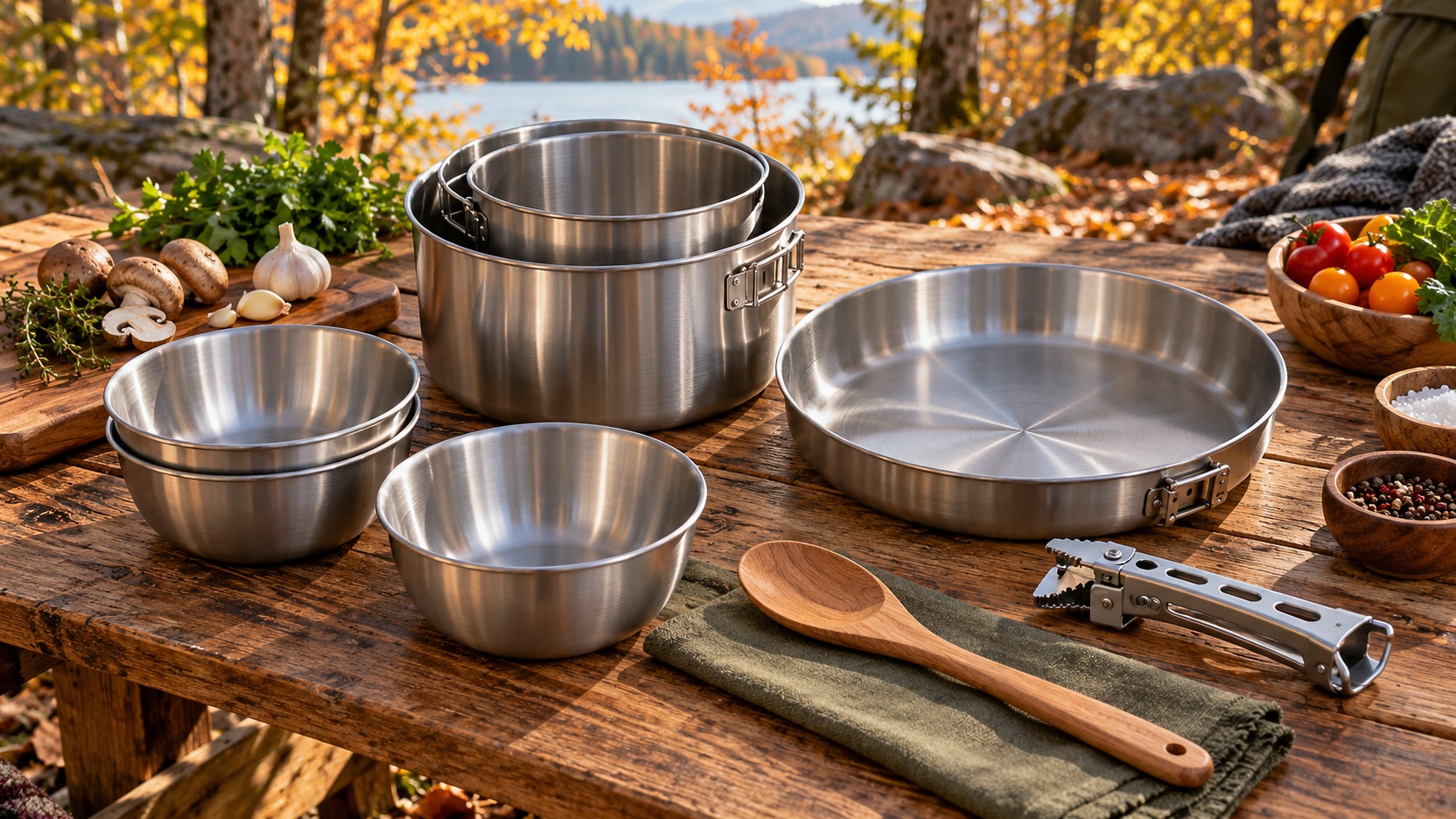
Pot diameter affects stability, how food is heated, and how easily you can reach the contents with your utensil. A tall narrow vessel may pack neatly but make stirring or cleaning less convenient, while a broader compatible pot can occupy more pack space. Check approved sizes and attachment requirements, including any limits for accessories or additional cookware. Think about pouring hot water, holding the vessel as directed, and eating without contacting hot surfaces. These ordinary actions are a more useful comfort test than how neatly the unassembled parts look in a photograph.
Make Fuel Availability Part of Route Planning
Research the approved fuel supply before committing to a stove for a particular journey. Availability at home does not establish availability near a trailhead or along a resupply route. Transportation rules also affect what can travel with you, so check the current requirements of your carrier and relevant authorities where applicable. Do not assume you can improvise by substituting another fuel or container. Fuel compatibility is determined by the equipment instructions, not by what happens to be on a shop shelf.
For a multi-stop trip, think about the practical timing of resupply. A shop may be closed when you pass through, and a package may not arrive on the day you expect. Build reasonable margin into both fuel quantity and itinerary without carrying an excessive duplicate system by default. Keep a record of actual use from comparable outings so future estimates improve. Clear logistics can make a slightly heavier stove a better route choice than one with difficult fuel access.
Plan what leaves the trail with you as well. Empty containers and maintenance materials need proper handling, and leftover fuel may complicate the return journey. Follow applicable disposal and transport guidance rather than leaving unwanted supplies behind. A full-system comparison includes the end of the trip, not just the pleasant first boil. This perspective often clarifies which design fits the way you travel.
Count Setup Attention Alongside Grams
Imagine assembling the stove after a tiring day while wearing the clothing and gloves appropriate for the expected conditions. Small loose pieces, awkward locks, or unclear control positions may be more consequential than a minor weight difference. Practice the approved sequence at home outdoors and confirm that you can identify every component. Keep instructions available in a dependable form. Familiarity should come from rehearsal rather than learning the equipment while hungry beside the trail.
Maintenance expectations deserve the same honesty. Some users are happy to inspect and service a more involved system; others want a simpler routine with fewer field tasks. Follow manufacturer guidance for cleaning, inspection, and any permitted repairs, and seek support when operation is abnormal. Avoid choosing a stove whose required care you do not understand or intend to perform. A system is dependable partly because the user can keep it in its intended condition.
Choose the Compromise You Can Explain
A useful final decision sounds specific: a compact upright system for mild-weather water heating, a matched integrated setup for a repeated boil-and-eat routine, or another supported design for conditions and logistics that justify it. None of those descriptions is a universal winner. Compare complete carried weight, practical cooking performance, route fuel supply, and the routine you are willing to manage. Leave unsupported claims and dramatic category rankings out of the decision when they do not reflect your trip.
After an outing, record what you cooked, how the system packed, and where performance differed from expectations. Note whether the limitation came from stove design, cookware, weather, fuel planning, or an unfamiliar procedure. Use those observations to refine the system before replacing it. The right balance of weight and performance is the one that supports your real meals with manageable effort across the journey. A fair comparison ends with a repeatable routine you understand.
For a new purchase, compare the supported package against equipment you already own before assuming a complete replacement is necessary. A compatible pot, a clearer fuel plan, or a better-organized packing arrangement may address a specific difficulty without changing the burner. Check every proposed combination against the relevant instructions rather than mixing components by appearance. Spend additional weight or money where it resolves an observed limitation, and keep a record of why that change fits the next route.