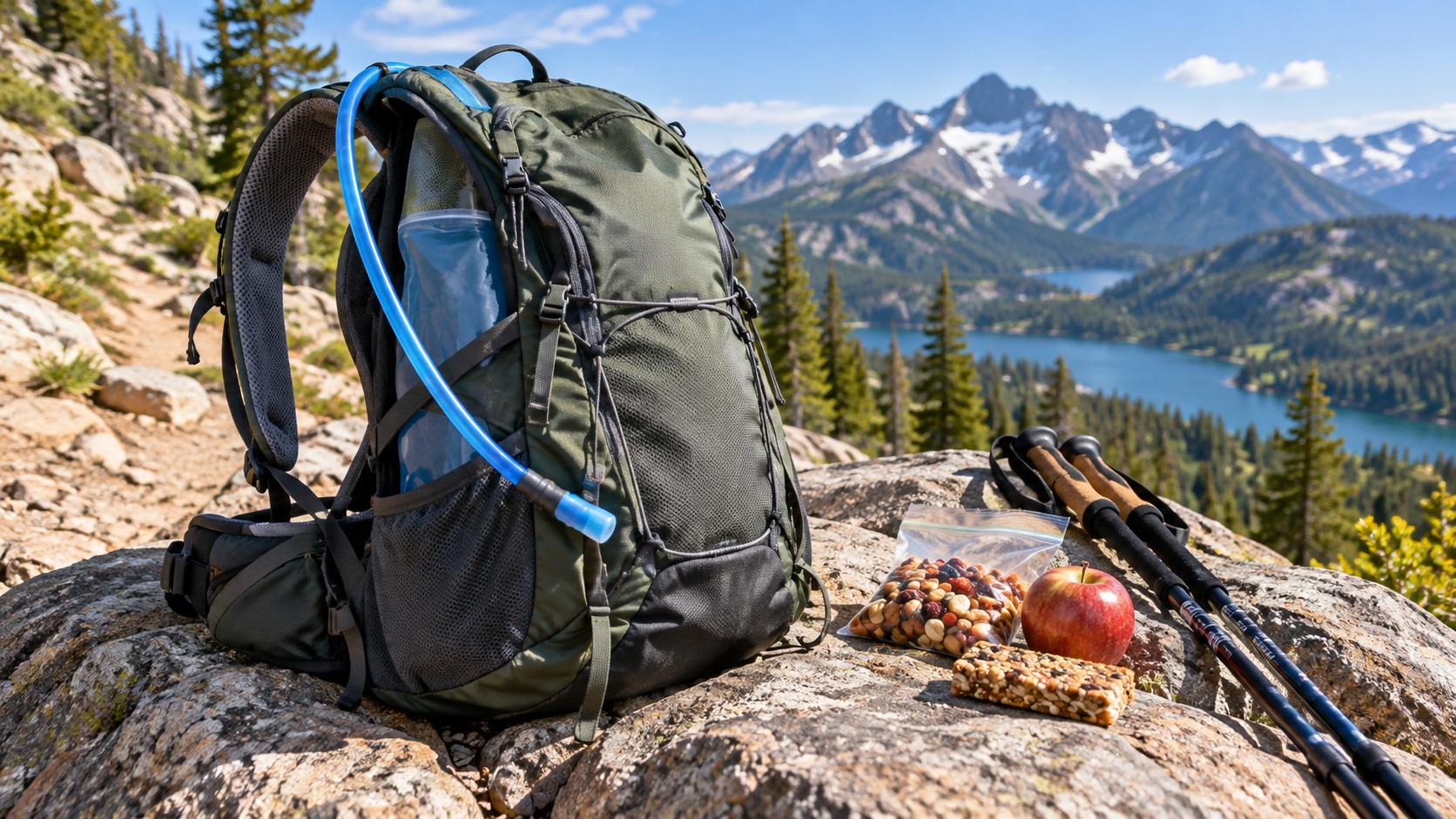
Keep Water Easy Without Letting the Pack Get Messy
A hydration pack can make hiking and backpacking smoother because water is available without stopping or reaching for a bottle. That convenience matters on hot climbs, long ridges, and steady mileage days. The best pack is not just a reservoir with straps. It needs enough water capacity, comfortable carry, practical storage, a bite valve that does not leak, and a cleaning routine that keeps the system pleasant to use. Good hydration gear should support drinking habits without complicating the rest of the pack.
A: The best size depends on trip length, heat, water access, and how much gear you carry.
A: They make drinking easier while moving, but bottles are easier to monitor and clean.
A: Plan by temperature, distance, effort, water sources, and personal needs.
A: Good reservoirs should not leak when seals and bite valves are maintained.
A: Rinse, scrub when needed, clean the hose and valve, and dry everything fully.
A: You can, but sugary drinks require careful cleaning.
A: Yes, if the backpack has good reservoir access and hose routing.
A: Residue, trapped moisture, old water, or poor drying can cause unpleasant taste.
A: Yes, cold weather can freeze hoses unless they are insulated or managed carefully.
A: Test fit, hose reach, bite valve sealing, cleaning access, and loaded comfort.
Start With Water Needs
Hydration pack choice begins with how much water the route requires. A short shaded hike may need modest capacity. A hot exposed climb, dry ridge, or long backpacking segment may require much more. Water is heavy, so carrying too much can be tiring, but carrying too little creates risk. The right capacity follows distance, heat, effort, and refill options.
Think about the heaviest water carry you expect. A pack that feels good empty may feel very different with several liters inside.
Decide Between Pack and Reservoir
Some hikers use a dedicated hydration pack. Others use a reservoir inside a regular daypack or backpacking pack. Dedicated hydration packs are clean and convenient for day hikes, while larger packs may offer better storage for layers, food, and safety gear.
Check Fit With Water Loaded
Hydration packs should be tested full. Water weight changes how straps feel, how the pack rides, and whether the load bounces. A narrow pack may feel fine in the store but sway on a descent. Sternum straps, hip belts, and compression all matter more once the reservoir is filled.
Walk stairs or a short trail with the pack loaded if possible. Comfort should be judged in the condition you will actually use.
Make Hose Access Natural
The drinking hose should reach comfortably without pulling at the shoulder or dangling into dirt. Some hikers prefer the hose on one side. Others want magnetic clips or simple elastic keepers. The bite valve should be easy to grab without looking.
Keep Storage Practical
A hydration pack still needs room for more than water. Layers, snacks, first aid, phone, keys, sunscreen, map, and a small repair kit all need homes. Very slim packs can work for fast short hikes, but they may tempt hikers to leave useful gear behind.
Choose storage based on the full outing. Water convenience should not crowd out weather protection or safety basics.
Clean the Whole System
Reservoirs need more care than bottles. The bladder, hose, bite valve, cap, and connector can all trap moisture or residue. Wide openings make cleaning easier. Drying matters because damp storage can create odor and taste problems.
Use Plain Water When Possible
Plain water keeps cleaning simple. Electrolyte mixes and sweet drinks can be useful, but they leave residue inside hoses and valves. Many hikers prefer keeping mixes in a separate bottle while using the reservoir for water. This keeps the main system easier to maintain.
If sugary drinks go into the reservoir, clean it promptly. Waiting makes the job worse.
Watch Remaining Water
One disadvantage of reservoirs is that it can be hard to see how much water remains. Hikers may drink steadily and discover the bladder is low at the wrong time. Build habits around checking water at junctions, viewpoints, and refill sources.
Plan for Filtering
Filtering into a reservoir can be easy or awkward depending on the pack design. Some reservoirs remove quickly, while others are buried behind gear. Backpackers should test refilling before a trip. Bottles may still be useful when filtering from shallow streams or treating water separately.
A hydration system should make refill stops cleaner, not more frustrating. If the reservoir is hard to remove, plan the packing order around it.
Handle Cold Weather
Hydration hoses can freeze in cold weather. Insulated sleeves, blowing water back into the reservoir, or carrying bottles may be necessary. Cold also reduces thirst cues, so hikers may drink less even while working hard. Hydration packs are useful only if water keeps flowing.
Prevent Leaks Inside the Pack
A leaking reservoir can soak layers, food, electronics, or sleep gear. Check seals, caps, quick connects, and bite valves before every trip. Pack sharp items away from the bladder and avoid crushing hose connections.
A small leak at home is an easy fix. A leak on trail can become a large mess.
Choose for Drinking Habits
Some hikers drink more consistently with a hose because sipping takes little effort. Others prefer bottles because they can see remaining water and refill more easily. Neither method is automatically better. The best hydration pack supports the behavior you will actually maintain. If the pack makes drinking easy, it is doing important work. Hydration gear should quietly support energy, temperature control, and steady hiking.
Think About Long-Term Care
A hydration pack lasts longer when cleaned, dried, and stored carefully. Empty the reservoir after trips, let the hose drain, and keep the bite valve from staying damp.
Inspect fabric, clips, seams, and hose routing after dusty or brushy hikes.
Pick the System That Stays Ready
The best hydration pack for hiking and backpacking is the one you will keep clean, fill correctly, and carry comfortably. It should make drinking easier without turning storage into a puzzle. When the system is ready to go, outdoor days start with less friction. Good hydration is not glamorous, but it changes how the body feels over miles. A dependable pack helps that happen.
Choose Reservoir Size by Refill Gaps
Reservoir size should reflect how long you travel between reliable water sources. A large bladder is useful on hot dry routes, but it adds weight when filled. A smaller reservoir may be enough where streams, fountains, or lakes are frequent. Backpackers should plan around the longest dry stretch, not only the total mileage.
Fill only what you need when water is plentiful. Capacity is useful even when it is not always full.
Test the Bite Valve Before Hiking
A bite valve should release water easily and stop dripping when closed. A valve that is too stiff may discourage drinking, while one that leaks can soak straps or clothing. Test it at home with the reservoir full and the pack in different positions. Small leaks are easier to fix before a trip. Carry the hose where it will not drag in dust. Drinking should feel automatic, not messy.
Keep Food and Water Organized
Hydration packs often carry snacks, layers, first aid, and electronics close to the water reservoir. Organization matters because leaks or condensation can affect nearby items. Use pockets or small bags to separate phone, keys, dry layers, and food. A pack should make drinking easy without making everything else damp.
Check pocket access while wearing the pack. Useful storage should be reachable and predictable.
Clean More Often in Warm Weather
Warm weather can make reservoirs develop taste or odor faster, especially if water sits after a hike. Rinse the bladder, hose, and valve promptly. Let everything dry fully before storage. Cleaning feels tedious only when it is delayed. If the pack is used weekly, develop a simple reset routine. Empty, rinse, drain, dry, and leave the cap open until moisture is gone.
Use Bottles as Helpful Partners
Hydration packs and bottles can work together. A reservoir encourages steady sipping, while a bottle makes mixing electrolytes, filtering water, or tracking remaining supply easier. Many hikers use both on long or hot routes. This combination adds flexibility without abandoning the convenience of a hose.
Use the reservoir for plain water and bottles for flavored drinks when cleaning matters.
Adjust the Pack as Water Weight Changes
A hydration pack feels different as water is consumed. The load may loosen, bounce, or collapse slightly. Compression straps, sternum straps, and hip belts can be adjusted during the hike to keep the pack stable. Hikers should not assume the morning fit will stay perfect all day. Small adjustments protect shoulders and reduce sway. Comfort is an ongoing habit.
Plan for Reservoir Access While Backpacking
A reservoir inside a backpacking pack can be awkward to remove once the pack is full. If refilling requires unpacking half the bag, hikers may delay water stops. Test the refill process with a loaded pack before a long trip.
Some backpackers prefer bottles for dirty water and a reservoir for clean water. The right system is the one you will actually refill on time.
Fit the Pack Over Real Clothing
Hydration packs may be worn over sun shirts, fleece, rain shells, or insulated layers depending on the trip. Strap fit can change with clothing thickness. Test the pack over the layers you expect to wear so the hose, sternum strap, and shoulder pressure still feel right. A pack that fits only over a thin shirt may feel tight or awkward in changing weather.
Know How Much Water Is Left
Reservoirs hide remaining water better than bottles do. Some hikers learn the weight of the pack as water drops, while others schedule checks at breaks. On long dry sections, guessing is risky. Take time to inspect water levels before leaving reliable refill points.
Convenient sipping should not erase awareness.
Prevent Hose Flop
A loose hose can swing, snag brush, or drag near dirt. Clips, magnets, elastic loops, or simple routing keep the bite valve where it belongs. This makes drinking easier and keeps the hose cleaner. Small routing details can decide whether the system feels polished or annoying.
Think About Reservoir Shape
Reservoir shape affects how the pack carries. Tall narrow bladders may fit better in slim packs, while wider reservoirs may sit flatter in some sleeves. A poor match can create pressure points or make loading awkward.
Check the reservoir inside the pack, not only in your hand. Shape matters once it is full.
Make Cleaning Tools Easy to Find
A reservoir brush, drying hanger, or cleaning tablet is useful only if it can be found after trips. Store cleaning tools near the rest of the camp gear or kitchen cleanup supplies. If cleaning feels easy, it happens more often. Good care keeps the hydration pack from becoming something you avoid using.
Choose the Pack That Keeps You Drinking
A hydration pack succeeds when it changes behavior. If the hose is easy to reach, the pack carries comfortably, and the water tastes clean, hikers are more likely to sip steadily instead of waiting until thirst is obvious. That steady habit can improve energy, temperature control, and decision-making over a long day.
Do not choose only by reservoir size. Choose the pack that you will fill, clean, wear, and use consistently. Convenience matters because hydration is only useful when water actually reaches the hiker. On backpacking trips, that consistency becomes even more important because water weight, refill timing, and pack comfort change throughout the day. A good hydration pack keeps those changes manageable. It should also clean easily enough that the system stays pleasant after repeated warm-weather use, dusty trails, and long drives home between trips. When the pack supports steady sipping without extra fuss, hydration becomes part of the rhythm of hiking instead of another task to remember.